

A roundup of male enka singers in their 70s: legendary vocalists who support the enka world

Enka, long beloved by many listeners, is often called the “heart of Japan,” isn’t it?
In particular, many older folks probably grew up listening to enka from childhood, don’t you think?
In this article, we’ll introduce male enka singers in their 70s from the vibrant enka scene, where countless artists are active.
We’ve selected a wide range—from singers who are popular across generations to those every enka fan is sure to know.
If any singer catches your eye as you read, be sure to check out songs beyond the ones featured here!
- Great enka masterpieces and hit songs of the 1970s
- A roundup of male enka singers in their 80s: veterans who left their mark on the enka world
- [Enka] A feature on male singers in their 60s: enka vocalists whose rugged charm shines
- A roundup of male enka singers who represent the Showa era
- A roundup of female enka singers in their 70s: voices that evoke nostalgia
- Great enka masterpieces and hit songs of the 1980s
- Nostalgic enka. A collection of classic enka hits from the Showa era.
- Cool masterpieces of enka, the heart of Japan
- [Men] Enka Songs That Can Score High in Karaoke
- Roundup of male enka singers in their 50s: masters who are active at the heart of the enka world
- [2026] Enka Songs That Are Hard to Sing – Male Singers Edition
- [2026] A roundup of female enka singers in their 60s: Artists who support Japanese enka
- [2026] Life's Cheering Songs: A Collection of Recommended Enka to Lift Your Spirits
Roundup of male enka singers in their 70s: The master vocalists supporting the enka world (1–10)
North TavernHosokawa Takashi

Takashi Hosokawa is an enka singer from Hokkaido.
He debuted in 1975 with “Kokoro Nokori,” which sold 800,000 copies.
He went on to produce a string of hits such as “Kita Sakaba” and “Yagiri no Watashi,” winning the Japan Record Award consecutively and cementing his status as a major star in the enka world.
His regular appearances on the TV show “Kin-chan no Dokoro Made Yaru no!” earned him popularity across a wide audience.
Even in the Reiwa era, he continues to make entertaining headlines and remains in the spotlight.
Beloved not only by enka fans but by people of all ages, Hosokawa’s singing voice shines both in enka and on variety shows.
Brother ShipsToba Ichirō

Ichiro Toba has been active for many years in the world of enka.
He is known for his distinctive vocal style performed in a fisherman motif and for songs themed around the sea and the fishing industry.
He has appeared on NHK’s Kōhaku Uta Gassen 20 times and is so popular that 12 monuments featuring his lyrics have been erected nationwide.
His powerful performances celebrating the “spirit” and “bonds” of people working in fisheries have captured the hearts of many fans.
His sons are also in show business, and together they energize the enka scene.
Toba is also dedicated to social contributions, such as supporting children orphaned by maritime accidents and visiting prisons.
He is recommended not only for enka fans but also for anyone seeking a singer full of humanity.
Go back to Busan PortAtsumi Jirō

Jiro Atsumi is known as a powerhouse in the enka world.
He debuted in 1976 with “Kawaii Omae” and produced hit songs such as “Yumeoi-zake” and “Wasurete Hoshii.” He has received numerous awards, including the Japan Record Awards Long-Seller Award and the Japan Cable Awards Grand Prix.
With a repertoire of over 1,000 songs, his vocal ability is highly regarded in the popular music scene.
He has been very active, performing a month-long run at the Shinjuku Koma Theater and holding a 10th-anniversary concert at the Ryogoku Kokugikan.
In addition, he dedicates himself to social contribution, such as organizing the Hanshin-Awaji Earthquake charity concert “Jinjin no Kai.” Atsumi’s singing is recommended not only for those who love enka, but also for anyone who wants to feel the heart of Japan.
Roundup of male enka singers in their 70s: Legendary artists supporting the enka world (11–20)
Northern SpringSen Masao

Masao Sen is an enka singer from Rikuzentakata City in Iwate Prefecture.
He debuted in 1965 and broke through with “Hoshikage no Waltz.” His signature song “Kitaguni no Haru,” released in 1977, initially struggled in sales, but thanks to Sen’s persistence in performing it, it became a million-seller and won the Long-Seller Award at the 21st Japan Record Awards.
His performances in distinctive costumes left a strong impression.
Although he ventured into real estate and experienced business failure, he later refocused on his music career.
He’s a singer I highly recommend to anyone who loves enka that sings to the heart of Japan.
A solitary journey to MichinokuYamamoto Jōji

Joji Yamamoto is one of the leading singers in Japan’s enka scene.
He debuted in 1974 and achieved a major breakthrough with “Michinoku Hitoritabi” in 1980.
Since then, he has released numerous hit songs and has appeared many times on NHK’s Kōhaku Uta Gassen.
Known for his deep emotional expression and distinctive vocal style, his music often portrays both the strength and tenderness of men.
In addition to his work as an enka singer, his acting in the drama Abarenbō Shōgun also drew attention.
In 2015, he released “Yozakura Aika,” capturing the depth and rugged elegance of a man’s life.
He is a recommended artist not only for enka fans but also for those who wish to explore the subtleties of life.
newspaper boyYamada Tarō
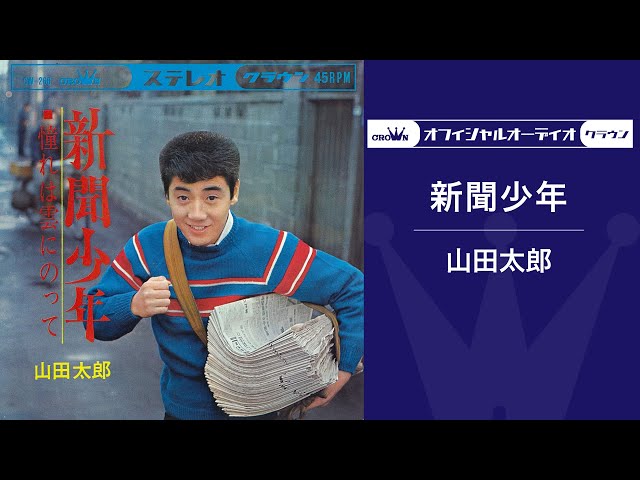
The song “Newspaper Boy” was an anthem for boys and girls delivering newspapers all across the country.
The opening line—something like, “I deliver the morning paper, so my name is Morning Edition Taro”—is a melody I think everyone has hummed at least once.
It’s a song completely unrelated to the themes of romantic love or the tear-jerking shamisen melodies symbolized by so-called enka, yet it was beloved by people of all ages, from children to the elderly, as a song that lifts your spirits when you sing it.
By the way, Yamada also released a song called “Milk Boy.” If you’re curious, definitely check it out!
At the End of the Journeykanmuri jiro

Jiro Kanmuri is well known for hits in the neo-enka style, with songs like Musashi and Viking that feature almost magical, trick-pitch-like flair.
He reportedly spent about ten years after his debut struggling without much success.
His breakthrough came with Journey’s End (Tabi no Owari ni), which was used as the theme song for TV Asahi’s drama Kaikyō Monogatari; the song’s success catapulted him into the ranks of popular enka singers.
The lyric “After journey upon journey, I finally arrived at you in the end” evokes the story of Kanmuri’s difficult early years.
The heavy horn timbre that follows the melody also makes this a particularly pleasing track.