

[Recommended for people in their 70s] Songs that really move you. Beloved classic Japanese hits of the past.

A collection of Showa-era songs that are now loved across generations.
Hearing those retro sounds brings back memories of youth—many of you might feel the same.
This time, we’re introducing some wonderful classics that are especially recommended for people in their 70s.
From hit songs familiar to many to tracks with lyrics that truly move you, every piece resonates with the heart—you may find yourself humming along before you know it.
Why not spend a relaxing moment accompanied by nostalgic music?
- [Recommended for people in their 70s] Classic nostalgic hits: A collection of youth songs
- [Recommended for people in their 70s] Songs that get everyone excited. Songs you’ll want to sing at karaoke.
- Karaoke songs you’ll want to sing for men in their 70s: Enka and nostalgic Showa-era pop
- Recommended love songs for women in their 70s: A collection of nostalgic love songs
- [For Seniors] Popular Karaoke Songs That Everyone Can Enjoy Together
- Great songs recommended for people in their 80s: a collection of tracks with lyrics that touch the heart
- Recommended Cheer-Up Songs for People in Their 70s: A Collection of Uplifting Tunes
- Tear-jerking songs for women in their 70s: from Showa-era classics to Heisei hits
- Energizing songs recommended for men in their 70s: A roundup of nostalgic power tracks
- [Nostalgic Songs] A collection of tear-jerking Japanese tracks recommended for men in their 70s
- [For Seniors] Popular Kayōkyoku: A Collection of Classic Songs Perfect for Karaoke and Background Music Selection
- [For Seniors] Introducing recommended songs to give on Respect for the Aged Day
- Recommended love songs for men in their 70s: A collection of nostalgic love songs
[Recommended for those in their 70s] Songs that truly move you. Beloved classic Japanese hits (21–30)
Goodbyeofukōsu
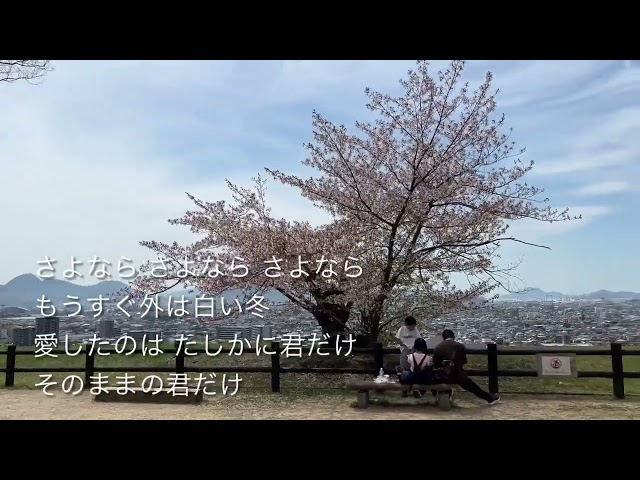
A classic ballad that intertwines the emotions of two people sensing a breakup with an atmosphere that evokes the coming of winter.
Known as a signature work by the popular band Off Course, it was released as a single in December 1979.
It reached No.
2 on the Oricon chart at the time, and was also used as the theme for the TBS drama “Gekiai: Sangatsu made no…” and in a Daihatsu commercial.
The sorrow of a love nearing its end is beautifully wrapped in Kazumasa Oda’s clear, translucent vocals.
Despite the sad lyrics, listening to it somehow calms the heart and brings a sense of peace, doesn’t it? It might be lovely to sip some warm tea and let conversation blossom with bittersweet memories of youth.
Boat SongYashiro Aki

When the winter cold grows sharper, you can’t help but want to spend some quietly reflective time in a warm room.
A song that truly seeps into the heart in such a season is Aki Yashiro’s classic “Funauta” (Boat Song).
Released as a single in May 1979, it paints an adult scene of quietly enjoying a drink at a tavern in a port town.
It’s also well known for being played in the 1981 film “Station,” and many older viewers likely still remember the poignant scene it accompanied.
Its wistful melody has a mysterious power that seems to warm you from the core, even when you’re chilled.
Gather together over some hot tea and reminisce about memories of the Kōhaku Uta Gassen from those days.
Fallen leaves in the snowFuse Akira

Akira Fuse, whose powerful vocals have left many classic songs to the world, wrote both the lyrics and music for a 1976 piece that conveys introspective emotions through scenes of the season shifting from fallen leaves to snow.
Within a diary begun out of loneliness, it sketches a quiet worldview where one encounters another self.
Blending the simplicity of folk with the warmth characteristic of kayōkyoku, this work became widely known as the song for Suntory’s “Gold Label” commercial and reached No.
1 on the Oricon Weekly Chart in 1976.
As winter’s chill seeps into the heart, why not listen while reflecting on your own memories and recollections?
Let yourself go with the flow of timeTeresa Ten

Teresa Teng, a treasure of Taiwan, sang “Toki no Nagare ni Mi wo Makase,” a smash hit from 1986.
Takashi Miki’s composition and Toyohisa Araki’s lyrics meld with Teng’s soul-stirring voice, leaving a deep imprint on many people’s memories.
It’s as if the lyrics speak directly of profound feelings for a loved one.
Listening to the song evokes the past while conveying a universal message that fits any era.
Above all, it’s a masterpiece cherished by countless artists around the world.
Even today, it reminds us—through music—of the joy of being alive.
Mischief of the spring breezeYamaguchi Momoe

With lyrics that gently express a faint first love and a touch of heartache, paired with Momoe Yamaguchi’s pure singing voice, this masterpiece beautifully captures the wavering emotions of young women.
Released in March 1974, it was used as the theme song for the film “The Izu Dancer,” generating widespread attention.
Alongside the movie—where Yamaguchi’s appeal as an actress shines—the song has left a deep impression on many hearts.
It’s a recommended track for spending a peaceful moment in the warmth of spring or when you want to look back on nostalgic memories.
Across this wide fieldMoriyama Ryoko

This song, which marked Ryoko Moriyama’s debut, is a moving classic that sings of the beauty of vast, unspoiled nature.
It expresses pure, selfless love through a desire to offer a field full of flowers, a night sky full of stars, and a sea full of boats to someone dear.
Released in January 1967, the piece resonated with many people and was even included in music textbooks.
In 2000, it was featured as the ending theme of the game “Boku no Natsuyasumi,” and it continues to be cherished across generations.
It’s a song that delivers an even deeper emotional impact when you listen while thinking of someone special.
The Bride of SetoKoyanagi Rumiko

Seto no Hanayome, suffused with warmth and wistfulness like a harbinger of spring, is a work that richly preserves the spirit of the Showa era.
Delivered by Rumiko Koyanagi in 1972, this song gently yet powerfully gives voice to the feelings of a bride setting off to join her beloved.
The episodes that color a page of that time will add fresh hues to listeners’ memories.
Truly one of the Showa era’s unfading masterpieces.
As you listen, you can bask in the gentle spring sunlight, quietly look back on the past, and savor the present.