

[Recommended for people in their 70s] Songs that really move you. Beloved classic Japanese hits of the past.

A collection of Showa-era songs that are now loved across generations.
Hearing those retro sounds brings back memories of youth—many of you might feel the same.
This time, we’re introducing some wonderful classics that are especially recommended for people in their 70s.
From hit songs familiar to many to tracks with lyrics that truly move you, every piece resonates with the heart—you may find yourself humming along before you know it.
Why not spend a relaxing moment accompanied by nostalgic music?
- [Recommended for people in their 70s] Classic nostalgic hits: A collection of youth songs
- [Recommended for people in their 70s] Songs that get everyone excited. Songs you’ll want to sing at karaoke.
- Karaoke songs you’ll want to sing for men in their 70s: Enka and nostalgic Showa-era pop
- Recommended love songs for women in their 70s: A collection of nostalgic love songs
- [For Seniors] Popular Karaoke Songs That Everyone Can Enjoy Together
- Great songs recommended for people in their 80s: a collection of tracks with lyrics that touch the heart
- Recommended Cheer-Up Songs for People in Their 70s: A Collection of Uplifting Tunes
- Tear-jerking songs for women in their 70s: from Showa-era classics to Heisei hits
- Energizing songs recommended for men in their 70s: A roundup of nostalgic power tracks
- [Nostalgic Songs] A collection of tear-jerking Japanese tracks recommended for men in their 70s
- [For Seniors] Popular Kayōkyoku: A Collection of Classic Songs Perfect for Karaoke and Background Music Selection
- [For Seniors] Introducing recommended songs to give on Respect for the Aged Day
- Recommended love songs for men in their 70s: A collection of nostalgic love songs
Recommended for those in their 70s: Heart-stirring good songs. Nostalgic Japanese classics (31–40)
Goodbye, TearsWada Hiroshi to Mahina Sutāzu

A memorable hit from the Showa era, “Namida-kun Sayonara.” Originally released by Kyu Sakamoto in 1965, it became a beloved classic through later covers and performances by Hiroshi Wada & the Mahina Stars.
It has been passed down across generations, even gaining renewed attention through the long-running drama “Ten Made Todoke.” Each line of the lyrics tugs at the heart, and many listeners may find themselves shedding a quiet tear.
The nostalgic melody expressed by Hiroshi Wada & the Mahina Stars, coupled with the small glimmers of hope found along life’s sometimes harsh journey, will surely bring back special memories.
Why not listen to the song and fondly reflect on the good times of the past?
Flowershouka

Among the masterpieces that represent the Meiji era is a celebrated song depicting the beautiful spring scenery of the Sumida River: brilliant cherry blossoms along the long embankment, boatmen rowing their oars, and green willows and a hazy moon glowing at dusk.
It is a school song that gracefully expresses the changing seasons of Japan.
Composed by Rentaro Taki with lyrics by Hago Takajima, the piece was included on the album “Shiki” (Four Seasons), released in November 1900.
It was selected in 2006 for the Agency for Cultural Affairs’ “100 Best Japanese Songs,” and in April 1962 The Peanuts performed it on the program “Minna no Uta.” Its melody, resonant with nostalgia, is familiar and accessible to older listeners as well, and is a perfect choice for a leisurely spring afternoon.
Sometimes like a child without a motherKarumen Maki

Terayama Shūji’s soul-stirring lyrics about life’s loneliness and struggles resonate with Carmen Maki’s clear, soaring vocals.
It’s a classic that seeps into the heart along with the sound of the waves.
Released as her debut single in 1969, it was a popular song that even led to an appearance on Kōhaku.
Many people were likely amazed by Carmen Maki’s voice when she debuted at just 17.
It’s a song that gently stays by your side when you’re carrying something in your heart.
Why not listen to it at a relaxed pace, along with your nostalgic memories? I’m sure it will soothe your soul.
Tsugaru Jongara-bushiHosokawa Takashi

This song is a full-fledged reinterpretation by Takashi Hosokawa of a folk tune that powerfully sings of the scenery and climate of the Tsugaru region.
With lyrics that conjure up images of local vistas like Mount Iwaki and apple orchards, the driving sound of the shamisen leaves a strong impression.
The distinctive melodic inflections, drawing on folk-music technique, convey pride and affection for the homeland.
It was included on the album “Bokyō” (Nostalgia), released in December 1978, and was also performed earlier that year, in January, on Fuji TV’s Night Hit Studio.
It’s a perfect track for reminiscing about your hometown while picturing Tsugaru’s winter landscapes.
Try clapping along to the shamisen’s rhythm, or sing along together with everyone.
Traveler of the NorthIshihara Yūjirō

Yujiro Ishihara’s “Kita no Tabibito” (Northern Traveler) is a classic in which the bittersweet feelings of a wanderer overlap with the scenery of Japan’s northern regions.
The lyrics, evoking cold and loneliness, resonate deeply.
Released in 1987 as his final single during his lifetime, it has continued to be cherished by many even after his passing.
The mists of Hakodate and the snowy landscapes of Otaru are portrayed beautifully, and the yearning for lost love is deeply moving.
Many may feel a sense of nostalgia in Ishihara’s wistful voice, which seems to symbolize the end of the Showa era.
It’s wonderful to listen to while chatting with friends, and equally recommended for quietly immersing yourself in memories alone.
Recommended for people in their 70s: Songs that really move you. Beloved classic Japanese hits (41–50)
A deserted seaTo wa e mo wa
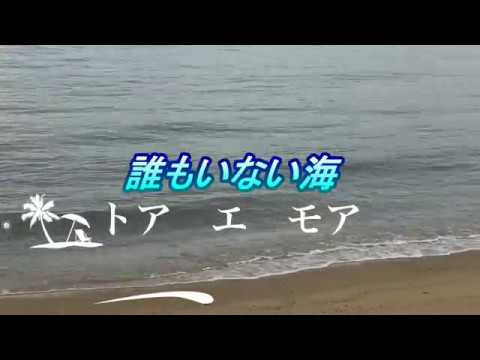
A quietly sung piece set on an autumn seashore, reflecting on a lost love and facing one’s own future.
Released in November 1970 as a single by Towa Tei et Moi, it features lyrics by poet Yoko Yamaguchi and music by Noriyoshi Naitō.
The words—resolved not to grieve anymore because promises were made to the sea, the sand, and the sky—gently resonate in the heart.
On the same day, chanson singer Fubuki Koshiji also released a version, and on the Oricon charts the Towa et Moi version reached No.
16.
Its portrayal of someone striving to look ahead despite setbacks and loneliness is something many will relate to.
It’s a song that tenderly stays by your side—one you’ll want to listen to while gazing at the autumn sea.
On the Day of DepartureSakushi: Kojima Noboru / Sakkyoku: Sakamoto Hiromi

There is a song that many older adults love, often associated with the arrival of spring and graduation season.
Originally created at a junior high school in Saitama Prefecture as a gift to graduating students, it has since become a standard performed at schools across Japan.
With hopeful lyrics and a bright melody, it conveys courage and determination for a new beginning.
It also gained attention when it was used in a commercial featuring SMAP.
It’s a wonderful song that lets you look back on nostalgic memories while feeling hopeful about the future.
Why not listen to it together with older adults as an opportunity to reflect on life’s milestones?