

[Classic Hits] Popular Anime Songs Representing the Showa Era. Also Introducing Recommended Anime Songs!

There are so many masterpieces from the Showa-era anime that have gone down in history, aren’t there?
Even if you don’t remember the plots that well, many people can still sing the theme songs—or the moment they hear a song, the anime comes rushing back.
Here, we’re showcasing a generous selection, including anime songs that were big hits in the Showa period and tracks that are being reappraised today through the lens of city pop’s popularity.
When you get together with friends from the same generation who watched those shows, a karaoke session with a “Showa anime songs only” rule is sure to be a blast.
And of course, even if you don’t know much about anime from that era but are curious, please give these songs a listen!
- [Showa Classics] A Collection of Nostalgic 70s Anime Songs
- [Nostalgic] A roundup of anime songs and theme songs that were hits in the 1980s
- Recommended anime songs for people in their 50s. Classic and popular anime theme songs.
- Anime songs recommended for people in their 40s, from nostalgic classics to the latest hits.
- Anime songs recommended for people in their 60s: from nostalgic classics to the latest hits
- [Nostalgic Songs] A compilation of classic anime themes that hit home for those born in the Showa and Heisei eras
- Moving and iconic anime songs, popular tracks
- [Nostalgic] A special feature on legendary anime theme songs: revisiting those classic tracks
- Cool songs from the Showa era. Masterpieces from Showa that shine with sensuality, passion, and rugged charm.
- Revival hits driven by social media! Classic Showa-era songs popular with Gen Z
- Including global smash hits! Anime songs recommended for Gen Z
- Hit songs in Japan in the late 1960s
- [Nostalgic] Classic and Popular Anime Songs Recommended for People in Their 30s
Classic Hits: Popular Anime Songs Representing the Showa Era. Also Introducing Recommended Anime Songs! (41–50)
To the Rock RiverŌsugi Kumiko

The 1977 anime theme song sung by Kumiko Osugi, known for her clear and beautiful voice, is a classic that refreshingly conveys a heartwarming tale of friendship.
Set against lush natural scenery, the encounters and adventures of a boy and a raccoon are portrayed alongside a rich melody.
The gentle lyrics, filled with gratitude to God and pure friendship, resonate deeply with listeners.
Released as a single by Nippon Columbia, the song won the Golden Hit Award in 1977 and ranked second in Oricon’s year-end chart (TV Anime/Children’s Songs category) the same year.
Beloved across generations, this is a warmly recommended track that families can enjoy together.
Song of Steel JeegMizuki Ichirō

The 1975 robot anime theme song, woven from powerful vocals and melody, portrays an epic tale of a righteous hero battling an evil army.
With a valiant composition by Chuumei Watanabe and lyrics by Haruo Hayashi that stirringly express the protagonist’s sense of mission and responsibility, the piece is perfectly complemented by Ichirou Mizuki’s passionate singing.
Included on the album “Super Robot Spirits: Theme Song Best Collection 2,” this track has colored numerous iconic scenes of giant robots in combat.
It’s a recommended song for those who resonate with heroes of justice or are looking for an uplifting, courage-inspiring anthem.
Babel IIMizuki Ichirō

A powerful, valiant hero song of justice! This work depicts a young psychic boy living in the desert’s Tower of Babel and his three servants as they fight to protect peace on Earth.
Sung with heartfelt passion by Ichiro Mizuki and the Columbia Yurikago-kai as the opening theme for the television anime of the same name, which aired from January to September 1973.
The striking lyrics by the pen name “Toei Ni” pair perfectly with Shunsuke Kikuchi’s exhilarating, fast-paced melody.
Proclaiming hope for the future and the bonds of comrades, this piece continues to be loved as a fiery cheer song that resonates with both children and adults.
Come here, Perman.Miwa Katsue

A theme song that captured the hearts of children who love anime based on Fujiko F.
Fujio’s works! Its bright, rhythmic melody and sincere lyrics fill you with a warm feeling, as if you can hear a friend calling from far away.
Katsu’e Miwa’s lively vocals gently convey the importance of friendship and helping one another, making it a wonderful track.
The single, released by Nippon Columbia in March 1983, was also used in the 2003 theatrical film, and since 2011 it has been adopted as the approaching-train melody at Noborito Station in Kawasaki.
It’s a song you’ll want to listen to when your heart is tired, when you want to help someone, or when you wish to bask in nostalgic memories.
Fight! Polymersasaki isao
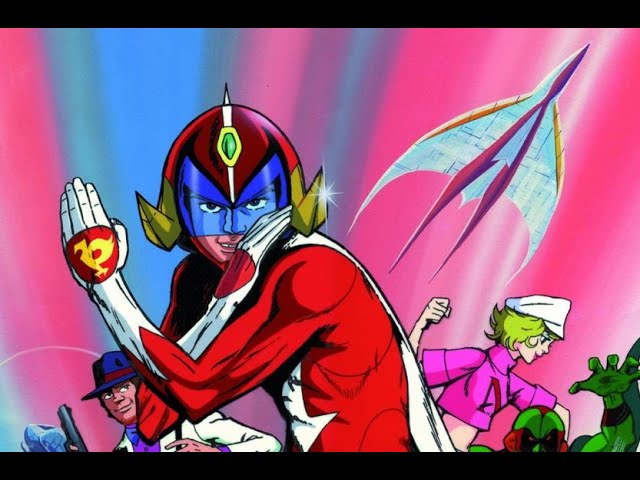
This is a powerful, up-tempo track brimming with the spirit of 1970s hero anime.
A forceful rock-style performance pairs with fiery vocals reminiscent of steel-like strength, brilliantly conveying the protagonist’s courage and power.
The tense developments and high-velocity rhythm further heighten the realism of battle scenes, making it a superb piece.
Released in October 1974 as a tie-in song for the third installment of Tatsunoko Production’s sci-fi action hero TV anime series, it was later used in a live-action film as well.
Showcasing Isao Sasaki’s overwhelming vocal prowess, this track is perfect for moments when you want to stoke your fighting spirit or boost your motivation.
The Star of the SeineKoromubia Yurikago-kai

Set in Paris during the French Revolution, this work, which colors the story of a young girl, is marked by the beautiful vocals of Arène and the Columbia Yurikago-kai.
Carried by a brave yet wistful melody, it conveys the heroine’s steadfast will and solitude as she fights for freedom and love.
French phrases woven throughout further enhance the work’s distinctive world.
The LP record was released by Nippon Columbia in June 1975 and was used as the opening theme for the television anime of the same name.
One month after the anime began airing, Arène visited Japan and held six events mainly in the Kanto region.
With its moving, beautiful melody and crystalline vocals, this is a recommended track for anyone who wants to immerse themselves in the story’s world along with nostalgic memories.
Defeat Galactor!Koromubia Yurikago-kai

Set to a powerful, fast-paced melody, this work portrays the heroic exploits of the Science Ninja Team protecting the peace of Earth.
The clear voices of the Columbia Yurikago-kai further enhance the energetic feel of the piece.
Celebrating the brave figures who fight using the power of science and ninja techniques, the song brings dreams and hope to children.
Used as the ending theme for Science Ninja Team Gatchaman, which began airing in 1972, it captured the hearts of many viewers throughout its 105-episode run.
The lyrics were written by the Tatsunoko Production Literary Department, and the music was composed by Asei Kobayashi.
Evoking empathy for protagonists with a pure sense of justice, this is a perfect track for anyone seeking an inspiring anthem that resonates.
It’s recommended listening when you want to feel uplifted.