

Showa-era love songs: A roundup of timeless love songs cherished across generations

The Showa era produced countless songs that continue to be loved across generations within Japan’s music scene.
This time, we’ll introduce a selection of love songs that were all the rage during this period—truly a golden age!
We’ve picked a wide variety of tracks, regardless of genre or mood, so with this article you’re sure to fully enjoy the romance songs of the Showa era.
Take your time listening, and savor the warm, richly textured worlds and emotionally resonant lyrics of these timeless classics born in the Showa period.
- [Nostalgic Classics] Hit Japanese Love Songs from the 1980s
- A roundup of hit love songs from the ’90s
- Unrequited love songs from the Showa era. Those nostalgic classics.
- A love song that makes a man in his sixties relive his youth. Timeless classics that rekindle the romances of those days.
- Recommended love songs for people in their 90s: A collection of classic Shōwa-era romance songs
- Love songs that resonate with women in their 60s: gem-like romance tunes that revive memories of youth.
- Cool songs from the Showa era. Masterpieces from Showa that shine with sensuality, passion, and rugged charm.
- [A Gem of a Love Song] Classic and Popular Tracks to Listen to When You're in Love
- [Shōwa-Era Heartbreak Songs] Carefully selected timeless love classics adored across generations!
- Songs to give to your lover or someone you like. Love songs devoted wholeheartedly to your boyfriend or girlfriend.
- When you can’t decide what to sing at karaoke: Easy-to-sing classic hits from the Showa era
- Songs that make you want to fall in love just by listening! Classic love songs recommended for Gen Z
- Bittersweet feelings come rushing back! Recommended love songs for the Yutori generation
Showa-era love songs: A roundup of timeless love songs (1–10)
My Dear EllieSazan Ōrusutāzu

This work, which sings of bittersweet love, is the Southern All Stars’ third single, released in March 1979.
It was also used as the theme song for TBS’s Friday drama “Fuzoroi no Ringo-tachi,” reached No.
2 on the Oricon charts, and sparked a huge response, including seven consecutive weeks at No.
1 on The Best Ten.
Keisuke Kuwata’s aching yet passionate vocals and lyrics filled with deep love for Ellie resonate deeply.
The song beautifully expresses the complex emotions of being in love and the desire to deepen the bond with a cherished person, making it a track that strongly resonates with anyone who has experienced heartbreak or unrequited love.
Love is overŌyō Fifi

This is a song considered one of Taiwanese singer Ouyang Fei Fei’s signature tracks in Japan.
The piano’s timbre, emphasized to create a gentle, subdued atmosphere, and the brass accents that resonate add a sexy air.
Ouyang Fei Fei’s strong, centered vocals layered over the calm soundscape convey the feeling that she’s speaking to us with powerful resolve.
The lyrics portray a woman saying farewell to her lover, and with their concern for the other person’s future, the song also evokes a sense of feminine strength.

I LOVE YOUOzaki Yutaka

Singer-songwriter Yutaka Ozaki, who won support as a voice representing the loneliness and struggles of youth.
This song is a ballad whose restrained piano melody contrasts with his intense rock image.
Its worldview—evoking the instability of love with no place to go and a desperate urge to escape—is conveyed through his gentle vocals.
Originally included on the album “Seventeen’s Map,” released in December 1983, it was later released as a single in March 1991.
It was also used in JR Tokai commercials and as insert music for the drama “From the North Country.” An enduring love song covered by numerous artists, it’s perfect for a quiet night with someone you love or for those who want to feel the warmth of a bittersweet romance.
Showa-Era Love Songs: A Collection of Timeless Love Songs (11–20)
Let yourself go with the flow of timeTeresa Ten

A signature song by Teresa Teng, who was so popular throughout Asia that she was called the “Songstress of Asia.” Like her other iconic numbers, “Tsumugai” and “Aijin,” this track was created by the team of Toyohisa Araki and Takashi Miki—a point worth noting.
Its overall bright sound stands out, moving from gentle, reflective vocals that evoke facing one’s own heart to a sweeping, passionate delivery as the emotions overflow.
The lyrics imagine what life would be like if one had never met their beloved, and savor the joy and happiness of being able to love.
It’s a song that expresses pure, boundless affection and the wish for the other person to know the depth of one’s love.
I want to protect youNEW!Matsutōya Yumi
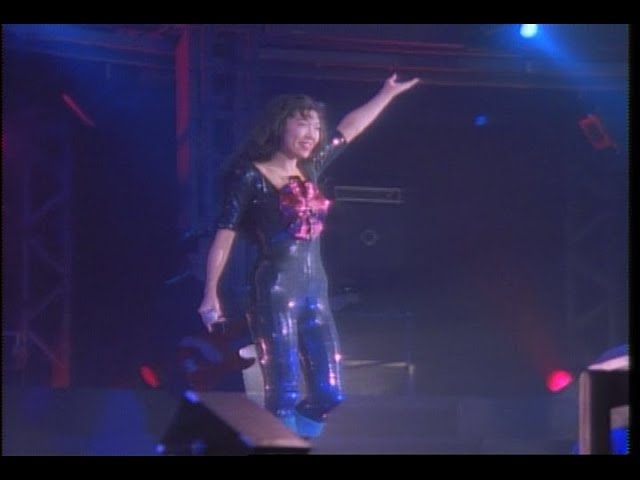
A song released by Yumi Matsutoya in 1981.
Chosen as the theme song for the Kadokawa film “The Aimed School,” it became a major hit and is one of the iconic classics of the Showa era.
As the title suggests, it sings of a profound love that gently envelops a cherished person, and a warm resolve to stay by their side while accepting one’s own weaknesses.
Its beautiful melody intertwined with Matsutoya’s tender, translucent vocals quietly soaks into the listener’s heart.
It’s a heartwarming track filled with universal kindness—one that makes you want to listen closely while thinking not only of romantic love, but also of the important people right in front of you, such as family and friends.
loveMatsuyama Chiharu

Chiharu Matsuyama is a singer-songwriter with such vocal prowess that he proudly claims, “As long as I’m alive, no singer better than me will appear,” and he has made major contributions to the New Music scene.
His 8th single, Koi (Love), has been covered by numerous musicians and is widely known as one of his signature songs.
Its sentimental lyrics, depicting the end of a romance, evoke images of men and women in the Showa era.
With a melancholy, high-toned voice that resonates deeply, it’s a number cherished across generations.

Taking shelter from the rainNEW!sadamasashi

Sadamasashi’s classic “Amayadori,” a massive hit from the early days of his solo career, was released as a single in March 1977 and became his first No.
1 on the Oricon charts.
Told from a woman’s perspective with a light, witty touch, it’s a heartwarming pure-love story about a man and woman who meet by chance while taking shelter from the rain, reunite later, and eventually marry.
The song overflows with Sada’s signature blend of humor and innocence, vividly conveying scenes and emotional shifts.
Unusual for the time, the single is a direct release of a live recording from January of the same year, complete with the audience’s warm laughter and the venue’s atmosphere.
Each listen wraps you in a gentle sense of happiness—perfect for thinking of someone dear, or for soothing your heart slowly on a rainy day.