

Showa-era love songs: A roundup of timeless love songs cherished across generations

The Showa era produced countless songs that continue to be loved across generations within Japan’s music scene.
This time, we’ll introduce a selection of love songs that were all the rage during this period—truly a golden age!
We’ve picked a wide variety of tracks, regardless of genre or mood, so with this article you’re sure to fully enjoy the romance songs of the Showa era.
Take your time listening, and savor the warm, richly textured worlds and emotionally resonant lyrics of these timeless classics born in the Showa period.
- [Nostalgic Classics] Hit Japanese Love Songs from the 1980s
- A roundup of hit love songs from the ’90s
- Unrequited love songs from the Showa era. Those nostalgic classics.
- A love song that makes a man in his sixties relive his youth. Timeless classics that rekindle the romances of those days.
- Recommended love songs for people in their 90s: A collection of classic Shōwa-era romance songs
- Love songs that resonate with women in their 60s: gem-like romance tunes that revive memories of youth.
- Cool songs from the Showa era. Masterpieces from Showa that shine with sensuality, passion, and rugged charm.
- [A Gem of a Love Song] Classic and Popular Tracks to Listen to When You're in Love
- [Shōwa-Era Heartbreak Songs] Carefully selected timeless love classics adored across generations!
- Songs to give to your lover or someone you like. Love songs devoted wholeheartedly to your boyfriend or girlfriend.
- When you can’t decide what to sing at karaoke: Easy-to-sing classic hits from the Showa era
- Songs that make you want to fall in love just by listening! Classic love songs recommended for Gen Z
- Bittersweet feelings come rushing back! Recommended love songs for the Yutori generation
Showa-era love songs: A collection of timeless love songs (51–60)
Eyes Are DiamondMatsuda Seiko

This is Seiko Matsuda’s 15th single, which depicts the bittersweet feelings before the end of a romance as if in a movie.
Released in October 1983, it held the No.
1 spot on The Best Ten for eight consecutive weeks.
On the Oricon weekly singles chart, it achieved the remarkable feat of monopolizing both No.
1 and No.
2 simultaneously together with its predecessor.
The lyrics, written by Takashi Matsumoto, memorably portray the moment of heartbreak—such as a farewell in the rain and the emotions of a woman stepping out from under an umbrella.
The melody, composed by Yumi Matsutoya under the pen name Kureta Karuho, results in a captivating song that conveys strength even amid sorrow.
It’s a recommended track for those seeking empathy and solace in the image of a woman striving to overcome the pain of a broken heart.
My heart is stop-motionKuwae Tomoko

A heartfelt work by Tomoko Kuwae that gently envelops the thrill of unexpected encounters and new love.
Its light, refreshing melody beautifully captures the budding feelings that arrive with spring.
The way a heart, after a long winter, gradually unravels in the warm sunlight is especially memorable.
Released in January 1979, it reached No.
12 on the Oricon weekly chart and was also used in a commercial for Pola’s Vario cosmetics.
In the same year, it earned the Best New Artist Award at the 21st Japan Record Awards and was included on her debut album, Born Free.
A perfect song for anyone feeling the stirrings of romance or eagerly awaiting the arrival of spring.
Mysterious Peach PieTakeuchi Mariya

A spring song brimming with Mariya Takeuchi’s charm, depicting the fresh exhilaration of a budding romance.
The natural brilliance that colors the city further heightens the feelings of that moment you fall in love.
It gently captures the buoyant, fluttery sensation of an unexpected, delightful encounter arriving at just the right time.
Released in February 1980, the song reached No.
3 on the Oricon chart.
Chosen for Shiseido’s spring campaign and enhanced by Mitsuo Hagita’s light, airy arrangement, it caused quite a stir.
A perfect track for those who want to discover a new self with the arrival of spring, or to bask in bittersweet memories of young love.
dandelionŌta Hiromi

A classic that captures delicate feelings of first love from a unique perspective.
The emotions of a modest yet pure-hearted girl in love are overlapped with the image of dandelions blooming by the roadside, gently singing of the bittersweet feelings everyone experiences.
Takashi Matsumoto’s poetic lyrics and Kyohei Tsutsumi’s melody blend beautifully, and Hiromi Ohta’s pure voice perfectly conveys the song’s world.
Released in April 1975, it was later included on the album “Tanshūhen” (Short Stories) and gained popularity.
It’s a song that comforts those who strive to live strongly—like a dandelion that keeps blooming while facing forward—even when they carry loneliness in their hearts.
Recommended for anyone who wants to relate to the ache of unrequited love and the feelings of being in love.
Showa-era love songs: A collection of timeless love songs (61–70)
You are more beautiful than a rose.Fuse Akira

Akira Fuse’s signature song, which over the years has become a classic everyone can hum.
It vividly portrays a man’s emotions as he’s astonished by how a woman he hasn’t seen in a long time has changed, yet is captivated by her beauty.
The sophisticated sound crafted by Godiego’s Mickey Yoshino blends perfectly with Fuse’s powerful yet delicate vocals to create a superb track.
Released in January 1979, it was used in a Kanebo Cosmetics commercial.
It reached No.
8 on the Oricon weekly chart at the time and led to four appearances on NHK’s Kōhaku Uta Gassen.
This gem of a love song is recommended for those who want to feel the joy of a heart-stirring reunion with the arrival of spring, or who wish to bask in memories with someone special.
Love MemoryMatsuzaki Shigeru
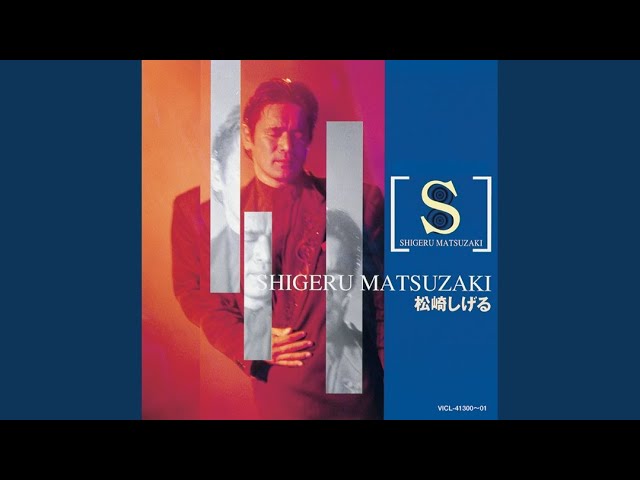
This is a gem of a love ballad sung by Shigeru Matsuzaki.
The lyrics, celebrating deep affection and the joy of life, overflow with a pure vow of eternal love.
Released in August 1977, it became a major talking point as the theme song for Glico Almond Chocolate, starring Tomokazu Miura and Momoe Yamaguchi in the commercial.
That same year, Matsuzaki made his first appearance on NHK’s Kōhaku Uta Gassen, and the following year the song was selected as the entrance march for the 50th National High School Baseball Invitational Tournament.
It’s a piece you’ll want to listen to while reflecting on those irreplaceable memories of love that everyone experiences at least once.
Drinks for twoAzusa Michiyo

A bittersweet yet forward-looking breakup song about a couple choosing to end a cherished love.
Set to a gentle melody, it portrays the emotions of lovers who have resolved to part.
Released in March 1974, the song features lyrics by Michio Yamagami and music by Masayuki Hirao, and became a major hit, reaching No.
11 on the Oricon weekly chart.
Their promise to meet again and share drinks when they feel lonely conveys both gratitude for the memories they’ve built and hope for the future.
It’s a song that stays by your side when you want to overcome the pain of heartbreak and find a sense of calm.