

Songs of Summer from the Showa Era: A comprehensive introduction, from nostalgic Japanese hits to timeless favorites still popular today


Summer is packed with fun events like seaside drives, camping, and all-you-can-eat buffets.
And to make summer even more exciting, the right BGM is essential, isn’t it? If you’re struggling with your summer playlist, why not try some classic Japanese hits from the Showa era? In this article, we introduce a variety of “summer songs” mainly from the 1960s to the 1980s—ranging from Showa pop and Group Sounds to New Music, city pop, idol tunes, and rock bands.
For some, it’ll be a nostalgic trip; for younger listeners, a fresh discovery.
Enjoy!
- [Summer Classics] When it comes to summer, it’s got to be this song! A roundup from timeless staples to the latest hit tracks.
- [Oldies] Summer Songs Recommended for People in Their 50s [2026]
- Classic nostalgic summer hits from the ’80s. A roundup of summer songs.
- Songs to Enjoy in Summer! Classic Hits Special (Showa & Heisei)
- Hit songs in Japan in the late 1960s
- [Classic Showa Kayō Hits] The captivating Showa-era pop songs beloved even by younger generations
- Classic and hit Japanese pop songs from the nostalgic 1960s
- 1990s J-Pop to listen to in summer: classic and hit summer songs
- [Classics] Timeless Summer Hits Recommended for All Ages [Summer Songs]
- Recommended summer songs for people in their 90s: A collection of Showa-era summer tunes [2026]
- A collection of summer-like songs: tracks that go perfectly with summer, like the sea and the sky.
- Cool songs from the Showa era. Masterpieces from Showa that shine with sensuality, passion, and rugged charm.
- [Masterpieces to Enjoy During Summer Vacation] A collection of summer songs bursting with summer vibes
Summer Songs of the Showa Era | A comprehensive introduction to nostalgic Japanese hits and timeless favorites still popular today (1–10)
Summer LoveOzaki Kiyohiko

This is a single released by Kiyohiko Ozaki in 1987.
With his refreshing vocals expressing a summer romance, the lyrics—depicting boating under dappled sunlight and a single-minded love—blend perfectly with the pop sound of the ’80s.
Regarded as a signature work from the middle period of Ozaki’s career, it became a popular song frequently featured on music programs.
It is also included on the album “Memories of Summer Love.” Highly recommended for those who want to look back on the bittersweet memories of their youth—listen to it by the summer seaside, and your heart is sure to dance.
SPARKLEYamashita Tatsuro
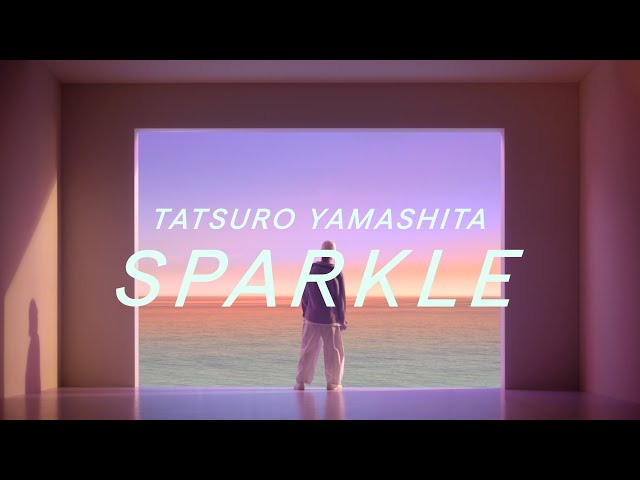
With its striking, shimmering guitar cutting, this piece stands as one of Tatsuro Yamashita’s foremost summer anthems.
Even without lyrics, its sophisticated sound vividly evokes the urban summer skyline and the liberating feel of resort getaways, lifting the listener’s spirits.
The meticulous arranging and layered vocal overdubs are truly the work of a sonic craftsman.
This classic is included on the masterpiece FOR YOU, released in January 1982, which topped the Oricon charts and sold about 700,000 copies; the album also earned a Best 10 Albums Award at the 24th Japan Record Awards.
It’s perfect not only as BGM for a summer drive date, but also for a stylish, leisurely afternoon—an enduring gem that can be enjoyed across generations.
Crimson SunMisora Hibari

This work, which evokes both the passion of a blazing sun and the transience of a passing summer, left a striking impression as a new facet of Hibari Misora, the queen of the kayō music world.
In its lyrical world, a love that flares up against the backdrop of midsummer seas is skillfully depicted alongside a poignant premonition that it will one day come to an end.
Originally included as a track on the album “Song Is My Life: Celebrating 20 Years of Hibari Misora’s Career,” the piece received such an overwhelming response that it was released as a single in May 1967.
Its innovative sound, backed by Jackie Yoshikawa and the Blue Comets, drew major attention and went on to sell over 1.4 million copies.
As a song emblematic of summertime in the Shōwa era, why not give it a listen during a seaside drive or when you’re in the mood to bask in slightly more grown-up summer memories?
Songs of Summer from the Showa Era | A comprehensive showcase from nostalgic Japanese tracks to timeless hits still popular today (11–20)
Love VacationZa Pīnattsu

Released to the world by The Peanuts in April 1963, this song features the seamless harmonies only a twin duo can achieve and a swinging rhythm infused with jazz elements that feels utterly pleasant.
Its lyrics vividly depict a sweet and slightly bold vacation with a lover—just listening to it makes your heart race, doesn’t it? The track was used in a Toray summerwear advertisement and is said to have helped popularize the word “vacance” (vacation) across Japan.
It also won the Arrangers’ Award at the 5th Japan Record Awards that same year and was performed at the 14th NHK Kōhaku Uta Gassen—truly a song that defined its era.
Brimming with charm, it’s a work that further heightens the liberating mood of summer.
You guys are kiwi, papaya, and mango, aren’t you?Nakahara Meiko

“Kimitachi Kiwi Papaya Mango dane” is a song released by Meiko Nakahara in 1984, and it was also the track that brought her to fame.
The song was created as the theme for Kanebo’s summer cosmetics and is said to evoke the image of women shining beautifully under the sun.
It’s unclear what exactly “kiwi, papaya, mango” is meant to represent, but the mysterious ring of the words paired with the Latin-style rhythm makes it truly memorable, doesn’t it?

You are in full color.Ohtaki Eiichi

Eiichi Ohtaki, who debuted as the vocalist of the pioneering band Happy End in Japanese rock history and went on to shine as a solo artist with his stylish musicality, is a renowned singer-songwriter.
His seventh single, “Kimi wa Tennenshoku” (“You Are Natural Color”), has been featured in numerous commercials, including Rohto Pharmaceutical’s “New V Rohto” campaign.
Its brisk shuffle beat with a bouncy rhythm and an ensemble that spotlights driving piano evoke images of a bright summer sky.
A timeless city-pop sound that never fades with the times, it’s an essential pop tune for summer.

I hope you are keeping well in the summer heat.kyandīzu

Many people likely have a special attachment to Candies’ “Shochū Omimai Moushiagemasu,” a classic Japanese summer song by the idol trio who were active in the 1970s.
The song was their 14th single, released in June 1977.
However, they announced their breakup in July of the same year, and Candies disbanded in April 1978.
As a celebrated song from just before their breakup, fans might still feel a tinge of sadness when they listen to it today.