

Songs of Summer from the Showa Era: A comprehensive introduction, from nostalgic Japanese hits to timeless favorites still popular today


Summer is packed with fun events like seaside drives, camping, and all-you-can-eat buffets.
And to make summer even more exciting, the right BGM is essential, isn’t it? If you’re struggling with your summer playlist, why not try some classic Japanese hits from the Showa era? In this article, we introduce a variety of “summer songs” mainly from the 1960s to the 1980s—ranging from Showa pop and Group Sounds to New Music, city pop, idol tunes, and rock bands.
For some, it’ll be a nostalgic trip; for younger listeners, a fresh discovery.
Enjoy!
- [Summer Classics] When it comes to summer, it’s got to be this song! A roundup from timeless staples to the latest hit tracks.
- [Oldies] Summer Songs Recommended for People in Their 50s [2026]
- Classic nostalgic summer hits from the ’80s. A roundup of summer songs.
- Songs to Enjoy in Summer! Classic Hits Special (Showa & Heisei)
- Hit songs in Japan in the late 1960s
- [Classic Showa Kayō Hits] The captivating Showa-era pop songs beloved even by younger generations
- Classic and hit Japanese pop songs from the nostalgic 1960s
- 1990s J-Pop to listen to in summer: classic and hit summer songs
- [Classics] Timeless Summer Hits Recommended for All Ages [Summer Songs]
- Recommended summer songs for people in their 90s: A collection of Showa-era summer tunes [2026]
- A collection of summer-like songs: tracks that go perfectly with summer, like the sea and the sky.
- Cool songs from the Showa era. Masterpieces from Showa that shine with sensuality, passion, and rugged charm.
- [Masterpieces to Enjoy During Summer Vacation] A collection of summer songs bursting with summer vibes
Summer Songs of the Showa Era | A comprehensive introduction to everything from nostalgic Japanese hits to timeless favorites (41–50)
The Days of Rainbows and Sneakerschūrippu

Tulip is a band known for incorporating elements of Western pop into their style.
Their song “Niji to Sneaker no Koro” centers on the theme of a summer heartbreak.
Its lyrics notably revolve around sneakers.
At first listen, you can tell the male narrator is wondering what became of the sneakers he gave his ex.
As you listen more closely, it becomes clear that the white sneakers serve as a metaphor for their relationship—the way they get dirty mirrors the way the relationship falls apart.
It’s a song distinguished by its nuanced, evocative use of metaphor.

Angel’s TemptationMayuzumi Jun

Among the many hit songs that vividly colored summers in the Showa era, there are surely plenty of people who remember this classic, powerfully sung by Jun Mayuzumi, most of all.
Released in May 1968, the track blends a lively Group Sounds-style rhythm with a subtly exotic Hawaiian flavor—an ideal tune to heighten the mood of a summer resort getaway.
Jun Mayuzumi’s punchy yet coquettish vocals hint at a sweet and dangerous romantic game, captivating countless listeners.
The song won the 10th Japan Record Award, she starred in a film of the same title, and she also performed it on NHK’s year-end Kohaku Uta Gassen—proof of the fervor it stirred at the time, which has since become the stuff of legend.
It’s perfect for a summer drive, and a must-listen for anyone who wants to feel the atmosphere of that era.
Seaside BoundZa Taigāsu

When it comes to heart-thumping numbers that conjure dazzling sunshine and a blue sea, this early masterpiece by The Tigers surely comes to mind.
Released in May 1967, the track bursts with a rhythm that makes you want to dance with someone you love, perfectly capturing the exhilaration of a summer romance.
You can almost see the radiant smiles of young people whispering sweet nothings by the shore, and just listening lifts your spirits.
Skillfully blending traditional Japanese rhythmic sensibilities with rock ’n’ roll, the song became a massive hit, ultimately selling over 500,000 copies.
It was also included on the album “The Tigers: The World Is Waiting for Us,” and gained popularity as the theme song for the drama “Yattaze Baby!” as well as a chant for Shonan Bellmare.
It’s a timeless summer anthem—ideal for a summer drive or seaside BGM, and a perfect gateway for those who want to experience the GS sound.
Love Letter on the Seashoresawada kenji

It’s a classic song that conjures up the scene of a late-summer beach and the aching emotion of parting from a loved one.
The restrained, ballad-like melody heightens the sense of heartbreak.
With lyrics that weave in exotic resort towns like Amalfi and Nice, it feels like a scene from a film.
The literary gesture of a whistle as a final declaration of love shakes the listener’s heart with bittersweet poignancy.
Conveying the protagonist’s helpless longing through Kenji Sawada’s delicate yet powerful vocals, this track was released in May 1981 as his 33rd single.
Chosen as the summer campaign song for Max Factor, it reached No.
8 on the Oricon charts.
The B-side, “Bye-Bye Jealousy,” was later included on the album S/T/R/I/P/P/E/R.
When you feel sentimental about a summer romance that has passed, this song is sure to stay close to your heart.
Crazed FruitIshihara Yūjirō
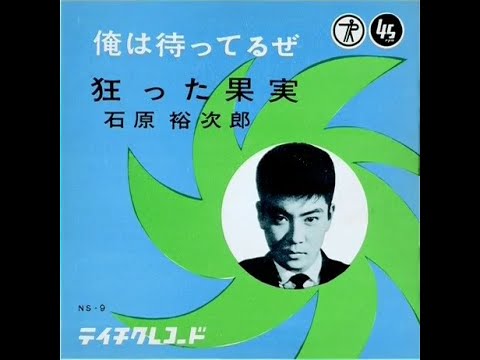
There’s a film written from an original story and script by Shintaro Ishihara that, upon its July 1956 release, became a social phenomenon.
Its theme song is sung by the film’s star, Yujiro Ishihara, and the work portrays the precarious yet passionate love affairs of young people set against a sun-sparkling summer seaside.
The lyrics suggest the luscious sweetness of ripened fruit and the ruinous tension brought on by a deceitful love, all carried by Masaru Sato’s dramatic melody and Yujiro’s rich, velvety low voice, gripping the listener’s heart.
After the movie’s release, the song was issued as a single coupled with “Ore wa Matteru ze” (“I’m Waiting”), and was later included on the classic album Yujiro Ishihara Cinema: A Collection of Unforgettable Movie Theme Songs.
It’s recommended for those who want to feel the heat of the Taiyozoku generation of the time, or for nights when you want to sink into the Showa-era mood-kayō atmosphere.
white parasolMatsuda Seiko

This is one of Seiko Matsuda’s signature songs, where a translucent singing voice and refreshing summer scenery resonate in the heart.
You can almost picture a girl walking along the seaside under a blue sky, holding a white parasol.
It delicately captures the fluttering emotions and uncertainty of being in love, conveying both the poignancy and sweetness of a summer romance.
Released in July 1981, the song debuted at No.
1 on TBS’s “The Best Ten,” the first time in the show’s history.
It’s a perfect track for reminiscing about summer memories or when you want to feel refreshed.
Give Up on SummerNaoko Ken
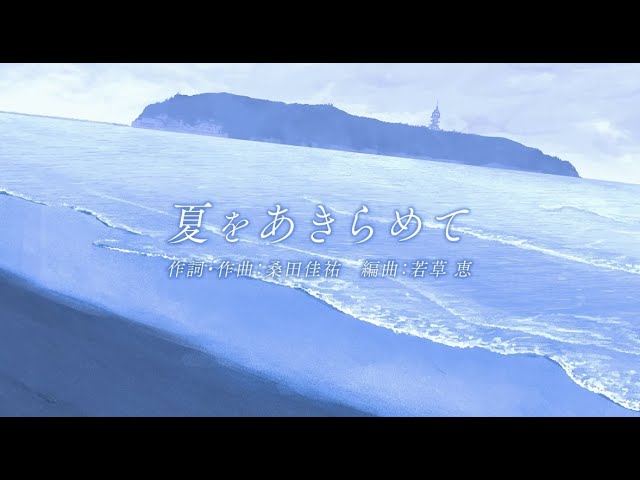
A classic song that paints a poignant scene at summer’s end.
Naoko Ken’s uniquely languid, wistful vocals beautifully capture the fleeting nature of youth.
Released in September 1982, the track reached No.
5 on the weekly Oricon chart and won the Gold Prize at the 24th Japan Record Awards, winning the hearts of many.
Closely associated with the Shonan/Enoshima image, it’s perfect for when you want to look back on summer memories—walking along a rain-soaked beach, reminiscing about a love from those days.
An ideal song for anyone who wants to sink into that mood.