

Songs of Summer from the Showa Era: A comprehensive introduction, from nostalgic Japanese hits to timeless favorites still popular today


Summer is packed with fun events like seaside drives, camping, and all-you-can-eat buffets.
And to make summer even more exciting, the right BGM is essential, isn’t it? If you’re struggling with your summer playlist, why not try some classic Japanese hits from the Showa era? In this article, we introduce a variety of “summer songs” mainly from the 1960s to the 1980s—ranging from Showa pop and Group Sounds to New Music, city pop, idol tunes, and rock bands.
For some, it’ll be a nostalgic trip; for younger listeners, a fresh discovery.
Enjoy!
- [Summer Classics] When it comes to summer, it’s got to be this song! A roundup from timeless staples to the latest hit tracks.
- [Oldies] Summer Songs Recommended for People in Their 50s [2026]
- Classic nostalgic summer hits from the ’80s. A roundup of summer songs.
- Songs to Enjoy in Summer! Classic Hits Special (Showa & Heisei)
- Hit songs in Japan in the late 1960s
- [Classic Showa Kayō Hits] The captivating Showa-era pop songs beloved even by younger generations
- Classic and hit Japanese pop songs from the nostalgic 1960s
- 1990s J-Pop to listen to in summer: classic and hit summer songs
- [Classics] Timeless Summer Hits Recommended for All Ages [Summer Songs]
- Recommended summer songs for people in their 90s: A collection of Showa-era summer tunes [2026]
- A collection of summer-like songs: tracks that go perfectly with summer, like the sea and the sky.
- Cool songs from the Showa era. Masterpieces from Showa that shine with sensuality, passion, and rugged charm.
- [Masterpieces to Enjoy During Summer Vacation] A collection of summer songs bursting with summer vibes
Summer Songs of the Showa Era | A comprehensive introduction to everything from nostalgic Japanese hits to timeless favorites (41–50)
The sun is crying.ishida ayumi

While centered on the motif of the sun, this classic vividly conveys a certain bittersweet emotion.
For Ayumi Ishida, it was her first single after moving to Columbia Records, released in June 1968.
Jun Hashimoto’s richly expressive lyrics are fused with Kyohei Tsutsumi’s sound, which boldly incorporates a GS-style rhythm and the then-innovative harpsichord, allowing Ishida’s emotional yet cool vocals to truly blossom.
Peaking at No.
18 on the Oricon chart, the track laid the groundwork for her subsequent big hits, and it’s no exaggeration to call it a song that symbolizes summer in the Showa era.
I highly recommend it to anyone looking for slightly wistful background music for a summer drive, or to those who want to experience the sophisticated pop of the time.
Songs of Summer from the Showa Era | A comprehensive showcase from nostalgic Japanese hits to enduring favorites (51–60)
Waltz of StarlightSen Masao

A summer love song said to reflect its historical background is “Hoshikage no Waltz.” This piece was released by enka singer Masao Sen.
Set to a gentle, subdued sound, it gives voice to the sorrow of a man and woman who don’t want to part but must.
Another hallmark is its focus on the moments just before and after the separation, delving deeply into their emotional states.
That makes it easy to empathize with.
In fact, two versions were released in the 1960s, so try finding the one that holds the most memories for you.

miragekurisutaru kingu

A Crystal King song set against the midsummer sea that portrays a passionate romance.
Released in April 1980, it became a major hit, reaching No.
2 on the Oricon chart.
Showcasing the full appeal of their twin vocals, the track conveys a powerful longing for a lover—greater than life or even the future.
The lyrics, imbued with a wish to make moments with a beloved last forever under the glittering summer sun, are perfect for those who want to revel in summer memories.
It’s a song that makes you want to listen while gazing at the blue ocean.
Southern WindNakamori Akina

It’s a song with a charming tropical vibe and Akina Nakamori’s crystal-clear vocals that leave a strong impression.
Released in April 1984, it topped the Oricon Weekly Singles Chart for three consecutive weeks and also held the No.
1 spot on the TV music show “The Best Ten” for two weeks.
The lyrics, depicting a solo trip to a tropical resort, reflect Japan’s social backdrop at the time and symbolize a woman freely enjoying romance.
They portray a sense of liberation, fleeting encounters, and the dangerous temptations that lurk within, offering listeners an escape into the extraordinary.
With its refreshing sound that makes you forget the summer heat, it’s perfect for a seaside drive—you’ll find yourself wanting to roll down the window and feel the sea breeze.
The High-Class Mermaid of the ShoreKoizumi Kyoko

This song was released by Kyoko Koizumi in 1984.
As the title “Nagisa no Haikara Ningyo” suggests, the lyrics portray a popular woman who seems to attract advances from many men.
The song describes her going to the seaside alone with a certain man, conveying the fluttering excitement between the two.
The track itself is up-tempo and cheerful, perfectly matching Koizumi’s fresh and cute vocals.
The aggressive sax solo that appears in the middle is a must-hear and really brings out a summery vibe.

Blue Coral ReefMatsuda Seiko

Blue Lagoon is one of Seiko Matsuda’s signature songs, released in July 1980 as her second single.
With a fresh, summery vibe, it was also used in a commercial for Glico’s “Yolel” ice cream.
Even today, it’s often featured on TV as a classic of the Showa era.
It’s familiar not only to those who heard it in real time but also to many younger listeners, and its enduring popularity across generations speaks to just how polished and well-crafted the song is.

Two People’s Love IslandIshikawa Yuko & Chage
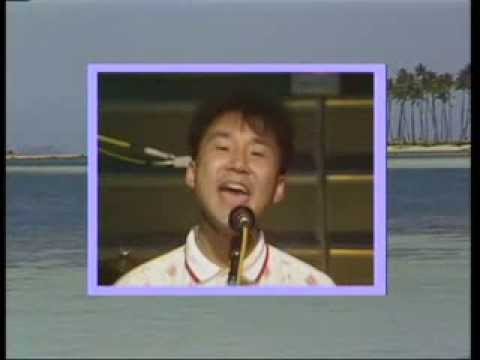
The duet song by Chage from Chage & Aska and singer-songwriter Yuko Ishikawa is “Futari no Ai Land.” Many people have probably heard its catchy chorus.
Released as a single in 1984, it was used in a JAL commercial and reached No.
3 on the Oricon singles chart.
The lyrics, written with Okinawa in mind, are sprinkled with words that evoke summer.
It’s a song you’ll want to listen to while basking in the hot sunshine!
