

[Revisited] A roundup of popular and classic Showa-era songs that are trending now [2026]


The Showa era gave birth to countless timeless classics loved across generations.
Now, those masterpieces from the Showa period are once again in the spotlight.
They’re gaining attention as they’re used on social media and video platforms like TikTok and YouTube, and as various artists and actors release cover versions.
In this article, we’ll introduce Showa-era songs that are trending right now!
For those who listened in real time back then, it’ll be nostalgic; for younger generations who didn’t experience the era, it might help you think, “So these are the songs that are trending on social media.”
Be sure to find your own favorite Showa tune!
- [Classic Showa Kayō Hits] The captivating Showa-era pop songs beloved even by younger generations
- Revival hits driven by social media! Classic Showa-era songs popular with Gen Z
- Showa-era nostalgic songs: Popular ranking
- Popular Showa-era pop. Timeless hit songs.
- [Songs from the Showa Era] Introducing classic tracks that are easy to sing at karaoke.
- So nostalgic it feels new? Showa retro classics that colored Japan’s period of rapid economic growth
- A Showa-era song that had a revival hit on YouTube Shorts
- A classic Showa-era kayōkyoku song sung by a female vocalist. A nostalgic tune passed down through the years.
- Cool songs from the Showa era. Masterpieces from Showa that shine with sensuality, passion, and rugged charm.
- Evokes the charm of the good old days. Showa-era inspirational songs that are still loved today.
- [2026] Only Masterpieces Born in the Reiwa Era! Spring Songs Recommended for Teens
- Karaoke Popularity Ranking by Generation [50s] [2026]
- Popular 80s hits for karaoke. Sing kayōkyoku and pop songs!
[Spotlight Again] A roundup of popular and classic Showa-era songs currently trending [2026] (41–50)
Light Blue RainYagami Junko

Released in 1978, this is Junko Yagami’s biggest hit.
It has been covered by many famous artists, including Tatsuya Ishii and Aya Matsuura.
After Yagami finished composing the music, she commissioned several lyricists and chose Tokiko Miura’s lyrics.
Imagining Yagami’s strong-willed persona, Miura wove in imperative statements—unusual for the time.
While the lyrics evoke a strong woman, they can also be felt as a portrayal of someone hiding her vulnerability and bravely putting on a tough front to endure her loneliness.

FANTASYNakahara Meiko
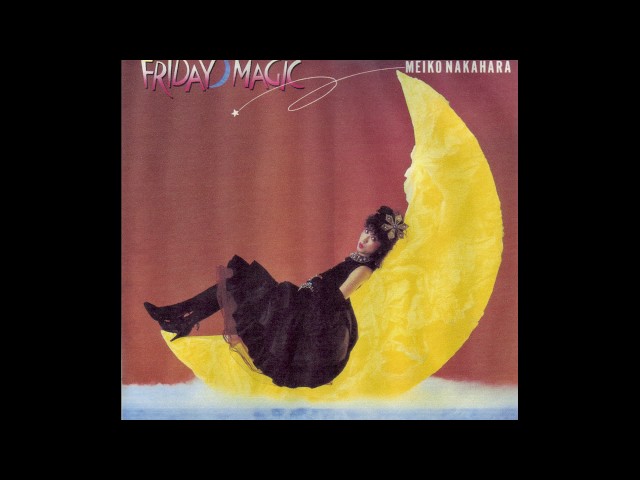
Let me introduce a positive breakup song, “FANTASY.” It’s a track performed by singer-songwriter Meiko Nakahara, included on her second album, “Cinderella Until 2 O’Clock – FRIDAY MAGIC -.” The lyrics depict a woman who, after a breakup, finds her way to a new love.
With dance as its theme and a laid-back, danceable sound, it has become a highly popular song among young people today.

The Day the Seagulls FlewWatanabe Machiko
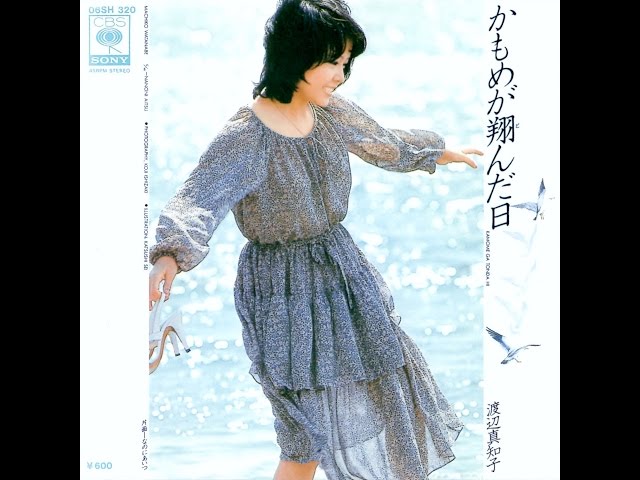
Set in a port town, this gem of a ballad poignantly portrays the pain of heartbreak.
Against the glittering morning seascape, the singer overlays her feelings for a departing lover onto a single seagull, creating a moving masterpiece.
Released in April 1978, it became one of Machiko Watanabe’s signature songs, peaking at No.
5 on the Oricon charts.
The track won numerous music awards and drew attention to her as a rising talent among female singers.
In 2007, it was adopted as a Chiba Lotte Marines cheer song, with a special stadium version also released.
A performance by Japan’s dance team Avantgardey, featuring their unique choreography, garnered significant buzz and boosted the song’s recognition among younger audiences.
It’s a recommended listen for anyone who can relate to a woman quietly accepting the pain of lost love, or for those who wish to revisit youthful memories alongside the scenery of a harbor town.
younger boykyandīzu

This song portrays the bittersweet feelings of love and the gentle gaze of someone watching over a slightly stubborn and self-willed younger man.
The perspective—a woman observing a man’s awkwardness—is striking, and it deftly captures a relationship with a subtle age gap where the feelings of love can’t be accepted straightforwardly.
Released in February 1975 as Candies’ fifth single, the track broke into the top 10 on the Oricon charts and served as a springboard for their first appearance on the NHK Kōhaku Uta Gassen.
It was also featured in the 2007 film “Little DJ: A Small Love Story,” reaffirming its charm.
The song has been covered by various artists and idols and remains beloved across generations.
It’s recommended for those who want to feel the nuances of an age-gap romance, the purity of being in love, or to bask in nostalgic memories of youthful days.
Let yourself go with the flow of timeTeresa Ten

Among the many masterpieces that sing of deep love, this is a particularly moving song.
It deftly depicts the evolving landscapes of love over time, and through its exquisite melody and exceptional expressiveness, it showcases Teresa Teng at her very best.
The song beautifully portrays unconditional love for someone dear, along with the self-sacrifice that springs from it, gently enveloping the listener’s heart.
Released in February 1986, it was also included on the album “Toki no Nagare ni Mi o Makase” (I Only Care About You).
It achieved the remarkable feat of winning the Grand Prix at the 19th Japan Cable Radio Awards for the third consecutive year, and it also received the Gold Award at the 28th Japan Record Awards.
Even today, it is widely covered by many artists and cherished across generations.
It is a recommended listen when you are thinking of someone special or wish to spend time in a calm, peaceful mood.
Why not immerse yourself in memories with a loved one and enjoy a heartwarming moment?