

List of Showa-era variety idols: idols who were active in singing and variety shows

The variety idols who brightened the Showa era.
With their singing and talk, they captivated the hearts of many, and they still remain vivid in our memories today.
Countless people must have been moved by the nostalgic melodies from TV and radio and found themselves smiling at their lively appearances on variety shows.
In this article, we’ll introduce those Showa-era “baradoru” all at once.
Let’s look back on their achievements while rekindling memories from those days.
- List of popular Showa-era actresses that bring back memories: introducing iconic stars who evoke nostalgia
- A compilation of beautiful actresses and singers from the Showa era: the beauties who captivated countless fans.
- Who is your favorite idol? Popular idols from the Showa era.
- Introducing handsome Showa-era actors and singers: legendary stars still remembered today
- A directory of popular women’s pro wrestlers from the Showa era: the star players who energized the times.
- [For Seniors] Nostalgic quizzes that bring back memories! Showa-era entertainment and sports questions
- [Timeless and Unfading] Ah, the Youthful Singers of the Showa Era
- A hugely popular star who colored the Showa era, known by everyone.
- Recommended love songs for people in their 80s: A collection of classic love songs that colored the Showa era
- A must-see for the Showa generation! Nostalgic popular snacks from the old days
- Recommended love songs for people in their 90s: A collection of classic Shōwa-era romance songs
- Nostalgic ice cream from the Showa era. From today’s classic staples to old-time favorites.
- For seniors: Recommended youthful songs for people in their 90s. A collection of classic Showa-era hits.
List of Showa-era 'baradoru': idols who thrived in singing and variety shows (1–10)
Mami Yamase

A sweet voice with a slightly lisping way of speaking, yet often sharp-tongued—almost like Ano-chan in the Reiwa era, you could say? When it comes to Ms.
Yamase, her “Wide Show Course for Fathers” on TBS’s Broadcaster was unforgettable, and the tears she showed in the final episode moved even those who weren’t fans to tears.
She also appeared for many years on long-running shows like Sekai Ururun Taizaiki and Shinkon-san Irasshai, and her quick wit and attentiveness to those around her seemed second to none.
Yumi Morio

Yumi Morio made her debut in 1982 in the drama “Nerawareta Gakuen.” The following year, in 1983, she debuted as an idol singer.
She went on to thrive in variety shows, including hosting the iconic 1980s late-night program “All Night Fuji” and appearing on “Tensai! Takeshi no Genki ga Deru TV!!.” She is currently appearing on the talk-variety show “Hayaku Okita Asa wa…” alongside fellow ‘variety idols’ Naomi Matsui and Kiriko Isono.
The three of them have also formed a musical unit called “Mori no IsoMatsu,” releasing both singles and an album.
Miyoko Yoshimoto
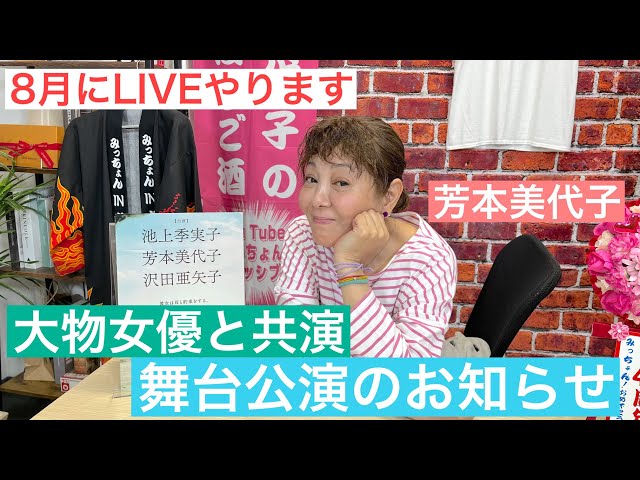
Nicknamed “Micchon,” Miyoko Yoshimoto made her debut as an idol singer in 1985.
Among her fellow debut-year idol singers—such as Miho Nakayama, Yoko Minamino, Yui Asaka, and Minako Honda—she performed remarkably well, even breaking into the Top Ten on the charts.
At the same time, her bright and playful personality became known, and her energy and approachability made her a regular on variety shows.
She later shifted her focus from singing to acting and has been active in TV dramas and on stage.
Furthermore, in 2023, “Micchon” was appointed a professor at Osaka University of Arts Junior College.
List of Showa-era “baradoru”: Idols who shined in music and variety shows (11–20)
Yumiko Takahashi

Yumiko Takahashi made her debut as a singer in 1990.
Although 1990 was already the Heisei era and not technically the Showa era, she was called “the last orthodox idol of the 20th century.” Music videos and live performances are available on YouTube, and she’s a great singer—worthy of the “orthodox” label.
The 1994 TV drama Minami-kun no Koibito drew attention, and her distinctive character as a fortune-teller office worker in Shomuni later on marked a successful shift from “orthodox idol” to “distinctive actress,” solidifying her status as an actress.
Akiko Matsumoto

Akiko Matsumoto debuted as an idol singer in the 1980s and later became active on variety shows, making her a leading figure among the original “baradol” (variety-idol) talents.
Although she didn’t have much success as a singer, her switch to the variety show route was very well received.
When it comes to Matsumoto, impressions are her forte.
She won the TV show “Monomane Oza Ketteisen” (Impression King Championship) twice.
She initially tried classic, straightforward impressions, but when she later appeared with more offbeat, ‘breaking-ball’ impressions for a while, she was reportedly scolded by judge Noriko Awaya, who said, “You’re vulgar.”
Chiaki

When talking about the scatterbrained idols of the Showa era, you can’t leave out Chiaki’s one-of-a-kind persona.
Petite, baby-faced, and high-voiced, she had a charming youthful look that made her seem younger than her actual age.
At the same time, she wasn’t shy about speaking casually even to seniors and had a sharp, biting wit that drew laughs—an uninhibited streak.
That very contrast was Chiaki’s appeal: in her singing, she projected a frank, distinctive voice, and in talk segments, she let her free-spirited character shine, energizing every show she was on.
From the Showa period right up to today in the Reiwa era, her presence remains undiminished.
In the worlds of television and radio, she continues to radiate the same brightness and buoyant rhythm, offering both nostalgia and a charm that’s very much alive in the present—a truly rare and valuable figure.

Marina Watanabe

Marina Watanabe, who debuted in the late Showa era, captivated many fans with her clear, airy presence and down-to-earth personality.
While drawing attention as an idol through her music and fashion, from the 1990s onward she shone on variety shows with her innate glamour and cheerfulness, holding her own against strongly individualistic talents and earning such presence that she was even called a “beast tamer.” She also worked extensively in dramas and music, making a forward-looking mark with activities like collaborations with Shibuya-kei artists.
After marrying and giving birth, she balanced family life with writing and launching brands, and she continues to be active across a wide range of fields.
Marina Watanabe is indispensable when discussing the culture of Showa-era ‘baradoru’ (variety-idol) entertainers.