

Sibelius’s famous piece. Popular classical music.

Jean Sibelius, the renowned composer born in Finland.
A composer and violinist, Sibelius wrote a vast body of works ranging from symphonies to piano pieces and choral music.
Many of his compositions express a deep love for his homeland, Finland.
His symphonic poem Finlandia is a representative example, and in addition he wrote over a hundred songs with piano accompaniment, stage music, and choral works inspired by the Finnish national epic.
Here, we’ve selected some of Sibelius’s masterpieces from among those works!
- Jean Sibelius Popular Songs Ranking [2026]
- Sibelius Popular Songs Ranking [2026]
- [Masterpiece Classics] A special showcase of gem-like masterpieces so beautiful they’ll move you to tears
- Brahms's masterpieces. Popular classical music.
- [Quartet] Masterpieces and Popular Pieces for String Quartet
- Oskar Merikanto Popular Song Rankings [2026]
- Mendelssohn’s Masterpieces | Popular Classical Music
- Rachmaninoff’s masterpieces. Recommended pieces by Rachmaninoff.
- [Intermediate Level] A curated selection of piano masterpieces featuring strikingly brilliant melodies!
- [Orchestra] Introducing famous and popular pieces
- Recommended for advanced players: Classical masterpieces to challenge at a piano recital
- Elgar’s masterpiece. Popular classical music.
- Mussorgsky’s masterpiece. Popular classical music.
Sibelius Masterpieces: Popular Classical Music (31–40)
Suite ‘Princess Swan’Yondāni Batto/Roiyaru Firuhāmonī Kangen Gakudan

The suite The Swanwhite, Op.
54, was composed in 1908 as incidental music and as an orchestral suite.
It is incidental music for a play by Strindberg.
After the play’s performance, Sibelius arranged the incidental music into a suite of seven movements.
Today, the suite is the version most frequently performed.
FinlandiaSibelius

At the time this piece was composed, Finland was suffering under Russian oppression, and an independence movement had begun.
Sibelius wrote this piece to inspire patriotic feelings for Finland, and its original title was “Finland Awakens.”
Andantino in A minorLeslie Howard
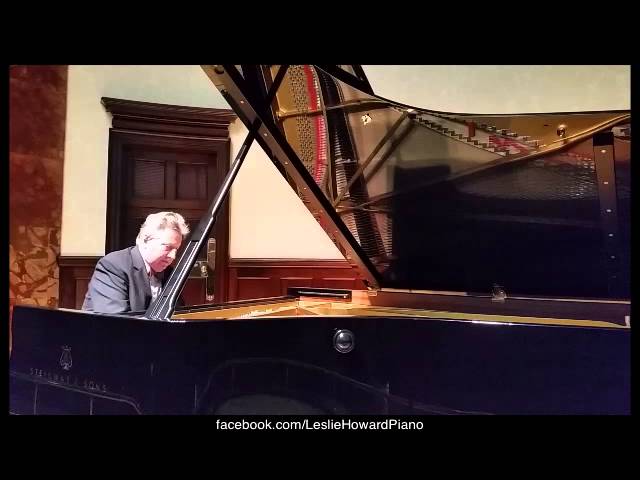
This is an early piano sonata by Sibelius, composed in 1891.
To fully draw out the resonance of the piano, it weaves melodies of remarkable beauty.
Throughout, you can hear distinctly Sibelius-like phrases and harmonies.
Focusing on those aspects may make for an enjoyable way to listen.
String Quartet in E-flat majorShiberiusu

This is an early work by Finland’s celebrated composer Jean Sibelius.
Composed during his student years, it shows him exploring his own musical identity while reflecting the influence of Romanticism.
Its structure—featuring a light, nimble melody and a sentimental Andante—can be seen as a precursor to later, more mature works such as ‘Liebeslied’ (Voice of Love).
It is included in the 1996 Finlandia Records release ‘Sibelius: Complete String Quartets,’ performed by the Sibelius Academy String Quartet.
Drawing inspiration from Finland’s nature and folk traditions, this piece is recommended not only for classical music enthusiasts but also for anyone interested in the roots of Sibelius’s musical language.
In conclusion
What did you think? To us, Brahms is a great composer, but he himself disliked being treated as a “great composer,” and he seems to have been a perfectionist. Perhaps that is why his works, while strict, at times reveal a passionate and gentle side. He greatly influenced later composers such as Arnold Schoenberg, the founder of the twelve-tone technique, and the late-Romantic Franz Schmidt, and his impact still reaches us today. Beyond the orchestral works, please also listen to his pieces for piano, ensembles, and songs.