




Karaoke is popular across all ages, and of course many women in their 60s also have plenty of chances to go.
But when you actually get to the karaoke place, do you ever find yourself wondering which songs to sing? If you’re thinking, “I don’t really know recent songs, and to be honest I’m not that good at singing…,” I’ll share some recommended tracks for you! I’ve selected songs that seem easy to sing, focusing mainly on tracks from around the 1970s—the era when many people in their 60s spent their youth.
If you’re not confident about karaoke, songs with a slow tempo are recommended.
Some of the songs are more challenging, but they’re all well-known, so for the difficult ones, let’s sing together with everyone!
- [For People in Their 60s] Ranking of Easy-to-Sing Karaoke Songs [2026]
- Recommended for women in their 60s! Songs that get the crowd going at karaoke
- Karaoke songs that are easy to sing even for tone-deaf beginners, recommended for women in their 60s
- [Karaoke] A roundup of songs that are easy for women to sing!
- [For People in Their 60s] Karaoke Songs That Get the Crowd Going: Ranking [2026]
- [60s] Karaoke Popularity Rankings by Generation [2026]
- A must-see for low-voiced women! Popular songs that are easy to sing at karaoke
- Love songs that resonate with women in their 60s: gem-like romance tunes that revive memories of youth.
- [2026] Recommended karaoke songs for women in their 70s: from enka to Showa-era pop
- Karaoke songs that are easy to sing even if you’re not confident in your pitch (for women in their 50s)
- Even if you’re tone-deaf, it’s okay! Easy karaoke songs for women
- Easy-to-sing Japanese karaoke songs recommended for women in their 50s
- Best Karaoke Songs and Popular Band Rankings for Lively Fun in Your 60s [2026]
Recommended for women in their 60s! Easy-to-sing Japanese karaoke songs (1–10)
ambushIshikawa Hitomi
Speaking of Hitomi Ishikawa’s signature songs, this is the one.
Its lyrics, which portray the pure feelings of a woman aflame with love, and her powerful vocals make a strong impression.
Released in April 1981, it reached No.
6 on the Oricon charts, and she made her first appearance on that year’s NHK Kōhaku Uta Gassen.
The lyrics depict her chasing after someone she likes after spotting him by chance in a café, conveying a straightforward, heartfelt love.
With its relaxed tempo, it’s a song that’s easy to sing.
When you try it at karaoke, immerse yourself in the feelings of a girl in love and sing your heart out.
threadNakajima Miyuki

A song released in 1998.
It drew renewed attention after being chosen as the theme song for the TBS drama “Seija no Koshin” (March of the Saints).
With its relaxed tempo, it’s easy to sing along while following the lyrics on the karaoke screen.
The lyrics compare the bond between a man and a woman to threads, striking a chord with just about everyone.
For women in their 60s, it will likely hit right in the sweet spot.
It’s a song that feels just right even if you sing it with a slightly subdued, low-energy tone.
The Future Projection IIDREAMS COME TRUE

Many of you may have been captivated by DREAMS COME TRUE’s songs during your youth.
This ballad, which depicts the future of a couple in love, was included on the album “LOVE GOES ON…” released in November 1989.
Miwa Yoshida’s warm vocals and the gentle melody resonate deeply in the heart.
Created as the second entry in the “Mirai Yosouzu” series, this song has been cherished by many for years.
It was also featured in a SONY Handycam commercial.
When you feel like looking back on memories with someone special, be sure to sing it.
PRIDEImai Miki

Praised as a “refreshingly pure love song,” this piece is one of Miki Imai’s signature tracks, known for her powerful and beautiful vocals.
Its lyrics, portraying a woman who lives with pride in her love for her partner, resonated with many listeners.
Released in November 1996, it gained attention as the theme song for the Fuji TV drama “Doc.” It topped the Oricon singles chart and became a major hit, selling over 1.6 million copies.
With its relaxed tempo, it’s easy to sing calmly at karaoke.
Why not sing it while holding close the joy of being in love and your feelings for someone special?
Time goes byEvery Little Thing
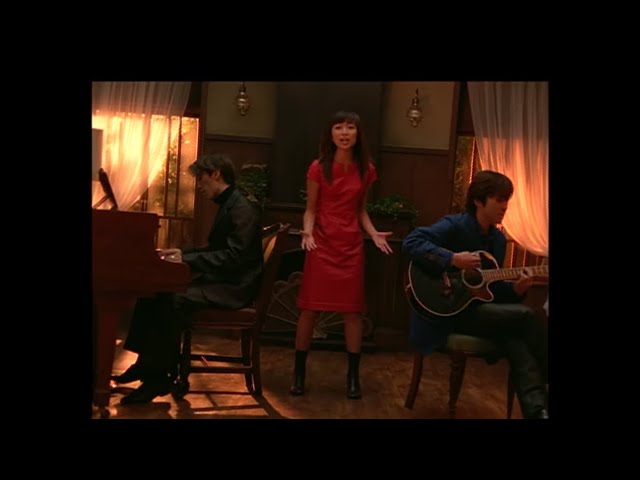
A classic by Every Little Thing, known for its soothing musicality and profound lyrics.
It tenderly depicts the emotions that arise when looking back on a past love, where reflection and lingering attachment intertwine.
The vocal changes in Kaori Mochida’s voice express the song’s emotions even more deeply.
Released in February 1998, it was also used as the theme song for the drama “Amai Kekkon” (Sweet Marriage).
It reached No.
2 on the Oricon charts and was later included on a best-of album.
With its relaxed tempo, it’s easy to sing at karaoke.
Recommended for moments when you want to reflect on memories with someone special or find a bit of calm.
It’s sure to be a song that resonates with your heart.
contrailArai Yumi
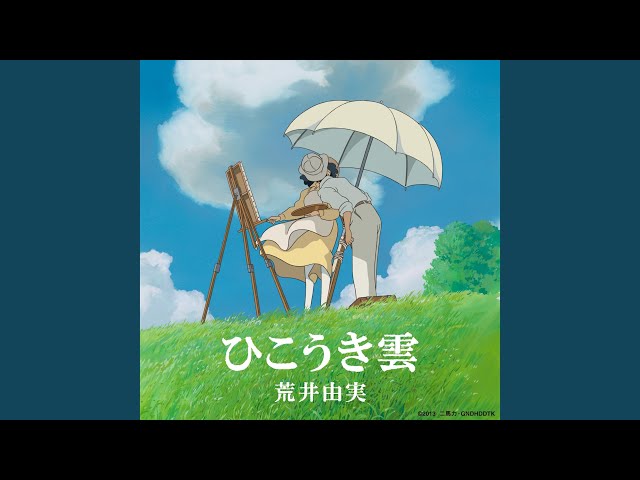
This song was created based on the experience of losing a classmate during the artist’s school days.
Its poetic imagery likening a soul ascending to heaven to a contrail, together with a clear, translucent vocal, intertwine beautifully to form a gem of a track.
Released in 1973 as the B-side to the single “Kitto Ieru,” it was also included on the album Hikōkigumo the same year.
In 2013, it was chosen as the theme song for Studio Ghibli’s The Wind Rises, touching the hearts of people across generations.
With its gently enveloping melody and relaxed tempo, it’s a warm, inviting song that makes you want to hum along together.
The Maiden with Flaxen HairShimatani Hitomi

Released by Hitomi Shimatani in May 2002, this song is a celebrated piece that portrays a refreshing romance.
It expresses a young girl’s feelings of love through dreamlike imagery, beautifully harmonizing with scenes of landscape and nature.
The lyrics, imbued with youth and purity, are complemented by her clear, translucent vocals, capturing the brilliance of innocent love in full.
Featured in a commercial for Kao Essential Damage Care Shampoo, it became a major hit, peaking at No.
4 on the Oricon Weekly Chart.
With its broad, expansive melody and an elegant tone that sways like hair in the wind, it carries a familiar charm that invites everyone to hum along.