

Recommended for women in their 60s! Songs that get the crowd going at karaoke


Many people in their 60s probably enjoy karaoke as a hobby.
Whether it’s singing with friends for fun or blowing off steam, lots of people use karaoke for various reasons.
But when it’s time to go, do you ever find yourself wondering what to sing?
In this article, we’ll introduce lively karaoke songs recommended for women in their 60s!
We’ve carefully selected popular hits from the songs that were big during the youth of people in their 60s.
Add them to your repertoire and have fun singing!
- [For People in Their 60s] Karaoke Songs That Get the Crowd Going: Ranking [2026]
- Recommended for women in their 60s! Easy-to-sing Japanese karaoke songs
- [2026 Edition] Songs Loved by People in Their 60s: Classic Hits from Their Youth
- [For People in Their 60s] Ranking of Easy-to-Sing Karaoke Songs [2026]
- Love songs that resonate with women in their 60s: gem-like romance tunes that revive memories of youth.
- [60s] Karaoke Popularity Rankings by Generation [2026]
- Good songs recommended for people in their 60s: classic and popular Japanese tracks
- Recommended for women in their 50s! A curated selection of classic and popular karaoke hits that will get the crowd going
- Sing-Along Hits! Karaoke Songs That Get Women in Their 70s Excited
- Upbeat Japanese songs recommended for women in their 60s
- A collection of nostalgic hits from the ’70s to 2000s that are perfect for livening up karaoke
- Karaoke songs that are easy to sing even if you’re not confident in your pitch (for women in their 50s)
- [Karaoke] A roundup of songs that are easy for women to sing!
Recommended for women in their 60s! Karaoke songs that get everyone excited (71–80)
Cherry blossomMatsuda Seiko

It is a classic song with a refreshing melody that evokes the arrival of spring and heartwarming lyrics portraying the beginning of a new romance.
Seiko Matsuda’s poised vocals beautifully express the feelings of a protagonist taking a brave first step.
The sense of anticipation for the future beneath a blue sky, and the joy of being in love, resonate deeply alongside her clear, transparent voice.
Released in January 1981, this piece was born from producer Muneo Wakamatsu’s challenge to explore new music.
It reached No.
1 on the Oricon Weekly Chart and was also included on the album “Silhouette.” Loved for many years by countless listeners as a song to enjoy in spring—especially during cherry blossom season—it’s a lively, hopeful track that cheers on the start of a new chapter, and is highly recommended when you want to make a fresh start.
Heavenly KissMatsuda Seiko

Seiko Matsuda has many famous songs, but for women in their early 50s, “Heavenly Kiss” may be the one that left the strongest impression.
Among her tracks, this piece is especially characterized by its refreshing melody, yet surprisingly its vocal range isn’t particularly wide.
The English lyrics in the chorus might be a tricky part, but as long as you can pronounce them clearly, it’s quite a singable song.
If you were on Team Seiko back in the day and are now in your 50s, why not give this one a try?

the first strong spring windkyandīzu

Known as one of the signature songs by Candies, this track depicts the beginning of a new romance with the arrival of spring.
Released in March 1976, it became a hit, reaching No.
3 on the weekly Oricon chart and No.
21 for the year.
By the time of their farewell concert, cumulative sales had reached 490,000 copies, cementing its status as a beloved classic for many.
Its refreshing seasonal feel and uplifting melody are especially appealing, and it’s sure to brighten the mood when sung at karaoke.
While it’s perfect for the season when you can feel spring’s arrival, it’s a song you can enjoy any time of year.
Tsugaru Strait – Winter SceneIshikawa Sayuri
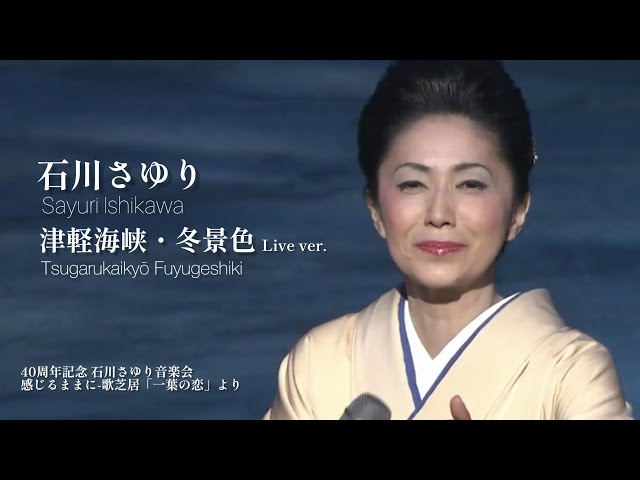
This song by Sayuri Ishikawa, with its gently mellow atmosphere, really touches the heart.
Released in 1977, it was also performed at that year’s NHK Kōhaku Uta Gassen.
The lyrics, depicting a journey by train and ship—the main modes of transportation at the time—evoke a sense of nostalgia.
Composed and arranged by Takashi Miki, it features a striking tenor saxophone in the intro.
You can almost picture the snowy scenery of Aomori and people returning home to Hokkaido.
For karaoke, it’s best to sing it at an easy, unhurried tempo, letting memories flow along with the music.
It’s a perfect song to share a warm, heartening moment with friends and family.
Crossing Amagi PassIshikawa Sayuri

This song by Sayuri Ishikawa has long been cherished as a timeless masterpiece that stirs the heart time and again.
Released in July 1986, it has left a deep imprint on many people, even serving as the final performance at NHK’s Kōhaku Uta Gassen four times.
The lyrics vividly portray a woman tormented by her relationship with the one she loves, striking a powerful chord with listeners.
Sing it at karaoke, and the entire venue is sure to be moved.
The next time you gather with friends, why not belt out this Showa-era classic and enjoy a wonderful time together?
Takeda Lullabyakai tori

This is a single released in 1971 by the folk group Akaitori, which was formed in 1969.
The B-side at the time included “Tsubasa o Kudasai,” a song often featured in school textbooks.
The original song is said to be a folk tune from Kyoto and was a work song sung by children who were babysitting.
Tears aren’t just for show.Nakamori Akina

This song captivates with its heartfelt lyrics and powerful vocals.
It showcases Akina Nakamori’s vocal prowess to the fullest, was released in November 1984, and topped the Oricon Weekly Singles Chart.
Written and composed by Yosui Inoue, it marks a pivotal track in Nakamori’s transition from idol to artist.
With its rich emotional expression and lyrical depth, it resonates deeply with anyone who has experienced a farewell to someone dear.
It’s also karaoke-friendly with its relaxed tempo, allowing for expressive, heartfelt singing.
Try it when you’re gathered with friends reminiscing about the past or on a night when you want to sink into your memories.