

Recommended for women in their 60s! Songs that get the crowd going at karaoke


Many people in their 60s probably enjoy karaoke as a hobby.
Whether it’s singing with friends for fun or blowing off steam, lots of people use karaoke for various reasons.
But when it’s time to go, do you ever find yourself wondering what to sing?
In this article, we’ll introduce lively karaoke songs recommended for women in their 60s!
We’ve carefully selected popular hits from the songs that were big during the youth of people in their 60s.
Add them to your repertoire and have fun singing!
- [For People in Their 60s] Karaoke Songs That Get the Crowd Going: Ranking [2026]
- Recommended for women in their 60s! Easy-to-sing Japanese karaoke songs
- [2026 Edition] Songs Loved by People in Their 60s: Classic Hits from Their Youth
- [For People in Their 60s] Ranking of Easy-to-Sing Karaoke Songs [2026]
- Love songs that resonate with women in their 60s: gem-like romance tunes that revive memories of youth.
- [60s] Karaoke Popularity Rankings by Generation [2026]
- Good songs recommended for people in their 60s: classic and popular Japanese tracks
- Recommended for women in their 50s! A curated selection of classic and popular karaoke hits that will get the crowd going
- Sing-Along Hits! Karaoke Songs That Get Women in Their 70s Excited
- Upbeat Japanese songs recommended for women in their 60s
- A collection of nostalgic hits from the ’70s to 2000s that are perfect for livening up karaoke
- Karaoke songs that are easy to sing even if you’re not confident in your pitch (for women in their 50s)
- [Karaoke] A roundup of songs that are easy for women to sing!
Recommended for women in their 60s! Karaoke crowd-pleasers (21–30)
Fall in LoveKobayashi Akiko

This is the theme song of the third installment of the TBS drama series “Friday Wives,” titled “Friday Wives III: Falling in Love,” which aired in 1985.
The theme songs for the previous two installments were both Western songs, but this was the first time a Japanese song was used.
Alongside the ‘Friday Wives’ boom, this song also became a major hit.
The key is to smoothly and naturally sing the English lyrics that appear partway through—this is where you can really show your skill!
Surely more than anyone else in the worldNagayama Miho & WANDS

This is a collaboration between Miho Nakayama and WANDS that sings of boundless longing for a lover and the desire to reunite.
It also drew attention as the theme song for the Fuji TV drama “Someone Loves Her,” released in October 1992.
Notable for the emotional rise in the chorus and lyrics about a fateful reunion, the piece was originally planned as a WANDS single during the planning stage, but with Nakayama’s voice added, it gained greater depth.
It’s a gem of a ballad that everyone can hum along to at reunions or parties with close friends.
Recommended for women in their 60s! Karaoke crowd-pleasers (31–40)
My RevolutionWatanabe Misato

My Revolution, released in 1986.
It was a huge hit especially among people in their 50s, wasn’t it? I’m sure there are many who’d say, “This song is my youth!” It’s easy to get into the rhythm and fun to sing, but the range is wider than you might expect—from E3 to F5—and the pitch span shifts suddenly between the verse, pre-chorus, and chorus, so watch out for that! Right before the chorus, make sure your throat doesn’t close; keep it well open.
If you make a surprised face, your facial muscles lift and your throat opens up, too! Try singing the chorus in that state, focusing on resonance rather than just pushing your voice.
Keep the airflow steady so the inside of your mouth vibrates.
Once you lock into the lively rhythm, it becomes much easier to sing—so go all in and enjoy singing it with energy!

atonementTeresa Ten

Depicting a heartrending farewell between a man and a woman, this piece can be considered Teresa Teng’s re-debut song in Japan.
Released in January 1984, it became a massive hit, selling over 1.5 million copies.
Set in a room where the western sun streams through the window, it conveys a woman’s loneliness as she reminisces about a past love, along with a faint wish for the one she’s parting from.
Its simple, singable melody gains even greater depth when performed with emotion.
Whether at a gathering with friends or during a solo relaxation moment, it’s a superb choice.
Why not add it to your repertoire for your next karaoke session?
Sentimental JourneyMatsumoto Iyo

Matsumoto Iyo, who is currently active as a TV personality, enjoyed tremendous popularity during her idol days.
Many people probably have a strong impression of her song “Sentimental Journey,” right? In fact, this piece is more geared toward men, boasting a fairly low and wide vocal range of mid1 A to hi A#.
However, for women in their 60s, the lower notes are easier to produce, so those who naturally have higher voices will likely find it quite easy to sing.

for you…Takahashi Mariko
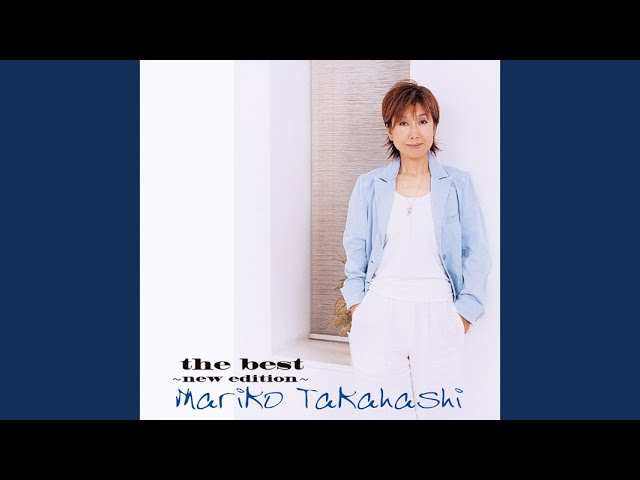
Mariko Takahashi, who debuted as the second lead vocalist of Pedro & Capricious and has numerous solo hits, is a singer-songwriter.
Her eighth single, “for you…,” produced with the aim of winning the Gold Prize at the Tokyo Music Festival, is one of her signature songs and is widely known for having been covered by many artists.
Its passionate lyrics are likely to remind people in their 60s—the generation of the time—of the fiery romances of their youth.
With a melody steeped in melancholy that stirs the heart, it stands as a classic masterpiece of the Showa era.

Yellow Cherriessurī kyattsu

It’s an irresistibly captivating song that draws you in.
The Three Cats’ harmonies are striking, brimming with youthful energy and femininity.
This is a signature piece by the group formed in August 1959, created as the theme song for the Shochiku film “Tai-ari Suresure Musume.” It became a major hit as a wholesome, coquettish kayōkyoku number and won the hearts of many.
This track is perfect for livening up karaoke—its jaunty rhythm and fun lyrics brighten the atmosphere.
For people in their 60s, it may be a song full of memories from their youth.
Why not sing it with friends and let the conversation blossom with nostalgic stories?