

Recommended for women in their 60s! Songs that get the crowd going at karaoke


Many people in their 60s probably enjoy karaoke as a hobby.
Whether it’s singing with friends for fun or blowing off steam, lots of people use karaoke for various reasons.
But when it’s time to go, do you ever find yourself wondering what to sing?
In this article, we’ll introduce lively karaoke songs recommended for women in their 60s!
We’ve carefully selected popular hits from the songs that were big during the youth of people in their 60s.
Add them to your repertoire and have fun singing!
- [For People in Their 60s] Karaoke Songs That Get the Crowd Going: Ranking [2026]
- Recommended for women in their 60s! Easy-to-sing Japanese karaoke songs
- [2026 Edition] Songs Loved by People in Their 60s: Classic Hits from Their Youth
- [For People in Their 60s] Ranking of Easy-to-Sing Karaoke Songs [2026]
- Love songs that resonate with women in their 60s: gem-like romance tunes that revive memories of youth.
- [60s] Karaoke Popularity Rankings by Generation [2026]
- Good songs recommended for people in their 60s: classic and popular Japanese tracks
- Recommended for women in their 50s! A curated selection of classic and popular karaoke hits that will get the crowd going
- Sing-Along Hits! Karaoke Songs That Get Women in Their 70s Excited
- Upbeat Japanese songs recommended for women in their 60s
- A collection of nostalgic hits from the ’70s to 2000s that are perfect for livening up karaoke
- Karaoke songs that are easy to sing even if you’re not confident in your pitch (for women in their 50s)
- [Karaoke] A roundup of songs that are easy for women to sing!
Recommended for women in their 60s! Karaoke crowd-pleasers (21–30)
Lingering Snowiruka

This is one of Iruka’s signature songs, known for its gentle, tender vocals and lyrics that resonate deeply.
Released in 1975, the song poignantly portrays a scene of parting and captured the hearts of many.
Written and composed by Shozo Ise and covered by Iruka to great success, it has long been cherished as a song that symbolizes early spring in Japan.
While depicting the bittersweet scenes that herald the end of winter, its memorable melody invites you to hum along again and again, making it beloved across generations.
It’s a perfect recommendation for anyone who wants a heartwarming moment at karaoke—ideal both for sharing time with friends and for those moments when you seek a ballad that speaks to you alone.
A Good Day to Set Out on a JourneyYamaguchi Momoe

Departure, farewell, and a new beginning—themes of life’s turning points captured in this song.
Released in 1978, it was produced as the theme for Japanese National Railways’ travel promotion campaign.
Momoe Yamaguchi’s rich, resonant voice touches the hearts of listeners.
Written and composed by Shinji Tanimura, the piece is often sung at send-off occasions such as weddings and graduation ceremonies.
In 2006, Akina Nakamori’s cover was used as the theme song for the film “Tabi no Okurimono: 0:00 Hatsu” (A Journey’s Gift: Departing at 0:00).
When you find yourself at a crossroads in life, try humming this song.
It will surely give you the courage to take a new step forward.
Blown by the yellow sandKudō Shizuka

A karaoke version by Miyuki Nakajima, who wrote the lyrics, is also available, but here we are introducing the 1989 Kudo version.
Compared to the Nakajima version, it has a slightly faster tempo and a crisp, decisive feel.
From The Tragedy of Woman WYakushimaru Hiroko

This is the theme song of the 1984 film “W’s Tragedy,” performed by Hiroko Yakushimaru, who also starred in the movie.
The song makes full use of Yakushimaru’s distinctive, beautiful high notes.
In the chorus, it’s best to sing freely and expansively without constricting the throat.
Note that the composer Kureta Keiko is a pen name of Yumi Matsutoya, which she sometimes uses when providing songs to other artists.
Sunset MemorySugimura Naomi

This is the theme song of the TV drama “Flame Dog,” which aired in the winter of 1981 on the Nippon TV network.
The drama tells the story of Ryu, a Kishu dog separated from his owner, and his journey of love and adventure.
This song, which makes the most of Naomi Sugimura’s high vocals, is offered in karaoke versions with the key set considerably lower than the original.
You might consider raising the key a little to suit your preference.
Pink sighTakahashi Mariko
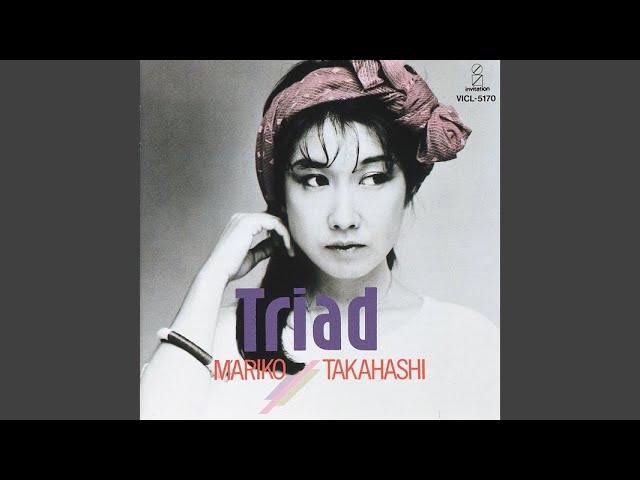
This is Mari Takahashi’s 10th single, released in 1984.
Many of you may remember it as the commercial song for Ginza Jewelry Maki.
Among Takahashi’s many hits, this one is both easy to sing and great for getting the crowd going, so be sure to give it a try!
Love is overŌyō Nira Nira

Since many artists have covered this song, I think it’s one that a lot of people find easy to sing.
It’s a very heart-wrenching love song, and I’m sure it brings back memories from that time for many listeners.
Please try singing it while reminiscing about your younger days.