

Love songs that resonate with women in their 60s: gem-like romance tunes that revive memories of youth.

The love songs that set our hearts dancing in our youth are still deeply etched in our chests, aren’t they?
Akina Nakamori’s clear, translucent voice, Momoe Yamaguchi’s aching longing, Megumi Asaoka’s gentle tone.
We’ll take our time introducing a selection of exquisite love songs that linger in the heart along with precious memories.
With those nostalgic recollections, the feelings of that time will naturally come rushing back.
Why not lend an ear once more to these timeless tracks that sing of honest love and bittersweet yearning?
- Nostalgic Showa-era heartbreak songs. Soothe your heart with timeless classics that can move women in their 60s to tears.
- [2026 Edition] Songs Loved by People in Their 60s: Classic Hits from Their Youth
- A love song that reminds those in their 60s of a forgotten romance
- A love song that makes a man in his sixties relive his youth. Timeless classics that rekindle the romances of those days.
- Recommended love songs for women in their 70s: A collection of nostalgic love songs
- Favorite Songs for Women in Their 50s: A Curated Selection of Sweet and Bittersweet Love Ballads!
- [Recommended for people in their 70s] Classic nostalgic hits: A collection of youth songs
- Good songs recommended for people in their 60s: classic and popular Japanese tracks
- A heartbreak song that resonates in the chest of a man in his 60s: memories of youth woven by classic Showa-era masterpieces
- Coming-of-age songs for your 50s: heart-thumping × heartwarming classics and popular tracks [2026]
- Classic and hit kayōkyoku songs from the nostalgic 1960s
- Recommended heartbreak songs for women in their 70s. A collection of classic Showa-era breakup masterpieces.
- Bittersweet feelings come rushing back! Recommended love songs for the Yutori generation
Love songs that resonate with women in their 60s: a collection of gem-like romance tunes that revive memories of youth (41–50)
A Doll’s HouseHirota Mieko

A quintessential love song that symbolizes the Showa era, this is Mieko Hirota’s signature track, released in July 1969.
While harboring deep affection for her partner, the song portrays a woman who has lost sight of herself.
The protagonist likens herself to a doll and expresses her resolve to overcome lost love and rediscover who she is.
It topped the Oricon chart for three consecutive weeks and earned the Vocal Performance Award at the 11th Japan Record Awards.
Her powerful yet delicate voice beautifully conveys the song’s melodic and lyrical world.
Many artists across genres, including Megumi Asaoka and Hideaki Tokunaga, have covered it.
It’s a song that resonates when facing a farewell with someone dear or taking a step into a new chapter of life.
Rainy BlueTokunaga Hideaki

The debut song by Hideaki Tokunaga, a poignant love story that begins in a late-night phone booth.
Its lyrics—quintessentially Showa—paint cinematic scenes of urban stillness and rain, perfectly intertwined with delicate, emotionally rich vocals to create a gem of a track.
Released in January 1986, it reached No.
90 on the Oricon charts.
A rearranged version released in November 1997 rose to No.
31, capturing the hearts of many.
By portraying heartbreak and loneliness as universal themes, it remains a beloved classic that resonates even today.
It’s the kind of bittersweet love song you’ll want to play on a rainy day—why not give it a listen?
Listening to OliviaAnri

A melody that gently envelops the lingering ache of a bittersweet romance, paired with refined musicianship, resonates deeply in the heart.
The lyrics, which carefully depict a woman healing her delicate emotions after a breakup while listening to Olivia Newton-John’s songs, have struck a chord with many.
With Anri’s clear, translucent vocals giving the piece a sophisticated, urban feel, it was released in November 1978 and included on the album “Anri.” In 2008, it was also featured as an insert song in the Nippon TV drama “Saito-san,” cementing its status as a timeless classic loved across generations.
This warm ballad offers comfort to those trying to recover from the pain of heartbreak and to anyone who has experienced parting with someone dear.
I can’t stop this sadnessAnri
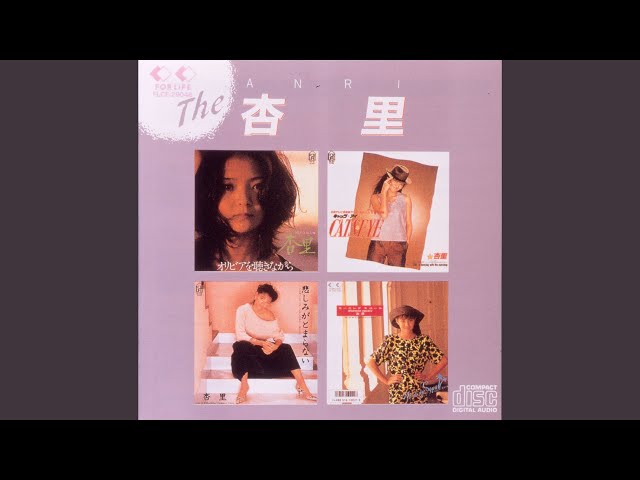
A gem of a love song by Anri that conveys the poignant emotions of a woman whose boyfriend has been taken by her best friend, expressed through an urbane melody and sophisticated arrangement.
With her warm vocal timbre and graceful singing, your heart aches for the heroine who loses both her lover and her friend at once.
Released in November 1983, the song was issued as an advance single from the album “Timely!!” and reached No.
4 on the Oricon weekly chart.
Bolstered by its tie-in with a Shiseido commercial, it generated a huge response.
It’s a song that stays close to your heart when you want to heal the pain of a breakup—something everyone experiences at least once—while reflecting the complicated feelings stirred by the evolving relationship between friend and lover.
Midnight Door ~ Stay with MeMatsubara Miki

The bittersweetness of the night that resonates with her lustrous singing voice invites you into the world of urban mood music.
Miki Matsubara’s debut single is a gem that sets lingering feelings for a former lover to a disco-style rhythm.
Its appeal lies in the sophisticated atmosphere woven by an urban sound that evokes adult romance and polished English phrases.
Released in November 1979 and included on the album “POCKET PARK,” the track became a major hit, reaching No.
28 on the Oricon charts.
It’s recommended for moments when you want to immerse yourself in precious memories while picturing a city nightscape like a scene from a film.
It’s also cherished as an adult love song that can be sung with a smooth, mellow mood.
wintering swallowMori Masako

This gem of a ballad, which eloquently sings of the aching melancholy of painful love, is a masterpiece that showcases Masako Mori’s outstanding vocal prowess.
Its poetic world is striking: the feelings of a woman who has thrown herself into a forbidden romance are overlaid with the image of a lone swallow that defies the seasons and makes its home out of place.
Mori’s limpid voice intertwines with the heartrending melody, where sorrow and passion cross, creating a deeply moving song.
After its 1983 release, her tearful performance on NHK’s Kōhaku Uta Gassen drew widespread attention, and the song earned her the Best Vocal Performance award at the 25th Japan Record Awards.
Even among enka songs that give voice to bittersweet longing, this work stands out for its richly expressive phrasing.
It’s the perfect piece for those moments when you want to pour your emotions into the song and sing your heart out, as if setting your soul free.
Hold Me TonightTahara Toshihiko

A gentle, comforting singing voice and warm words of care for a lover sink deep into the heart.
Addressing a troubled partner with a sincere “You don’t have to suffer alone,” the song reveals a man’s delicate kindness.
This track, ToshiHiko Tahara’s 32nd single, was released in April 1988 and reached No.
3 on the Oricon charts.
It also drew attention as the theme song for the drama “Kyōshi Binbin Monogatari.” Riding an up-tempo, catchy melody, it passionately sings of feelings for a cherished person.
When you’re struggling in a relationship or want to be there for your partner’s emotions, listening to this song is sure to warm your heart.