

Love songs that resonate with women in their 60s: gem-like romance tunes that revive memories of youth.

The love songs that set our hearts dancing in our youth are still deeply etched in our chests, aren’t they?
Akina Nakamori’s clear, translucent voice, Momoe Yamaguchi’s aching longing, Megumi Asaoka’s gentle tone.
We’ll take our time introducing a selection of exquisite love songs that linger in the heart along with precious memories.
With those nostalgic recollections, the feelings of that time will naturally come rushing back.
Why not lend an ear once more to these timeless tracks that sing of honest love and bittersweet yearning?
- Nostalgic Showa-era heartbreak songs. Soothe your heart with timeless classics that can move women in their 60s to tears.
- [2026 Edition] Songs Loved by People in Their 60s: Classic Hits from Their Youth
- A love song that reminds those in their 60s of a forgotten romance
- A love song that makes a man in his sixties relive his youth. Timeless classics that rekindle the romances of those days.
- Recommended love songs for women in their 70s: A collection of nostalgic love songs
- Favorite Songs for Women in Their 50s: A Curated Selection of Sweet and Bittersweet Love Ballads!
- [Recommended for people in their 70s] Classic nostalgic hits: A collection of youth songs
- Good songs recommended for people in their 60s: classic and popular Japanese tracks
- A heartbreak song that resonates in the chest of a man in his 60s: memories of youth woven by classic Showa-era masterpieces
- Coming-of-age songs for your 50s: heart-thumping × heartwarming classics and popular tracks [2026]
- Classic and hit kayōkyoku songs from the nostalgic 1960s
- Recommended heartbreak songs for women in their 70s. A collection of classic Showa-era breakup masterpieces.
- Bittersweet feelings come rushing back! Recommended love songs for the Yutori generation
Love songs that resonate with women in their 60s: a treasured collection of romance tunes that revive memories of youth (51–60)
North WingNakamori Akina

Akina Nakamori’s song, which portrays the resolve and inner conflict of a woman in love, was released in January 1984 and reached No.
2 on the Oricon Weekly Singles Chart.
On The Best Ten, it soared to No.
1 on January 19 and went on to hold the top spot for five consecutive weeks, becoming a major hit.
With a clear, transparent voice, it conveys the delicate emotions of a woman departing from Narita Airport for a foreign land.
Though there is anxiety in her decision to leave everything behind and fly off to follow her lover, her determination to move forward while holding onto hope for the future is striking.
The distinctive vocal style later known as the “Akina Vibrato” is also part of its appeal.
It’s the perfect song to sing at karaoke with friends while reminiscing about old times.
Silhouette RomanceOhashi Junko

Junko Ohashi’s signature song, which depicts an urbane, sophisticated adult romance, captivates with an arrangement that incorporates jazz and fusion elements and lyrics that deftly express the delicate emotions of a woman dreaming of love.
Written and composed by Etsuko Kisugi and Takao Kisugi, it was released in November 1981.
With Hiroshi Suzuki’s arrangement, the piece achieves a distinctly moody atmosphere.
It won the Best Vocal Performance at the 24th Japan Record Awards and reached No.
7 on the Oricon weekly chart in 1982.
Beginning with a quiet piano, its graceful melody and pleasant rhythm underscore a sensual love story, making it a perfect song to enjoy in a relaxed setting.
Red high heelsŌta Hiromi

A poignant story woven from Takashi Matsumoto’s delicate lyrics, which portray a young girl’s heart wavering between pure dreams and urban reality, and Kyohei Tsutsumi’s melody.
Hiromi Ohta’s transparent voice beautifully expresses the loneliness and inner conflict of city life, symbolized by the motif of red shoes.
Released in June 1976, the song became a major hit, reaching No.
2 on the Oricon charts and winning the Excellence in Vocal Performance Award at that year’s Japan Record Awards.
It was also included on the album “Handmade Picture Book” and was frequently featured on music programs of the time.
For those who long for life in the big city or who live far from their hometown, this is a song that will resonate deeply.
Give Up on SummerNaoko Ken
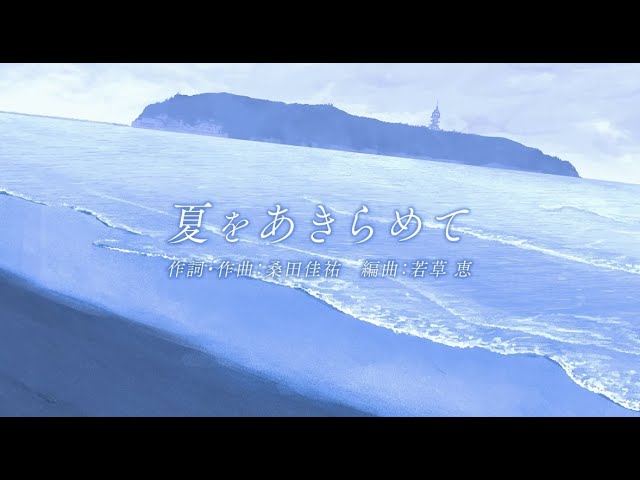
This song, which depicts a melancholy love story on a gloomy rainy day sung by Naoko Ken, was originally by Southern All Stars.
Ken released it as a cover in September 1982.
Her wistful vocals beautifully capture seaside scenery and the poignancy of summer’s end.
The tender way she sings, in a husky voice, about the wavering hearts of a couple caught in a sudden downpour and the fragility of love is deeply moving.
After its release, the song reached No.
5 on the Oricon weekly chart and won the Gold Prize at the 24th Japan Record Awards in 1982.
It was also performed at the 33rd NHK Kōhaku Uta Gassen that same year.
With its relaxed tempo, it’s pleasantly immersive, drawing you into Ken’s distinctive world.
It’s a classic that’s perfect for those who want to enjoy a smooth, subdued atmosphere in karaoke.
Love songs that resonate with women in their 60s: a collection of gem-like romances that revive memories of youth (61–70)
Red Sweet PeaMatsuda Seiko

Many people probably admired Seiko Matsuda’s cuteness and charisma in their youth.
This piece is one of her most popular songs and is said to be a personal favorite of hers.
Released in 1982 as her eighth single, it was composed by Yumi Matsutoya with lyrics by Takashi Matsumoto.
The lyrics, which depict springtime scenes and the bittersweetness of love, resonate deeply with listeners.
They delicately express the struggle with emotional distance while harboring feelings for someone, making it highly relatable.
With its relaxed tempo, it’s easy to sing calmly—so try performing it in a key that suits your voice!
Scat at DawnYuki Saori

A song that beautifully captures the freshness of the very moment dawn arrives.
Saori Yuki’s clear, translucent voice seems to resonate through the silence.
As Japan’s first hit song to use the distinctive vocal technique of scat, it drew major attention upon its release in 1969.
It spent eight consecutive weeks at No.
1 on the Oricon weekly singles chart and became a million seller with 1.09 million copies sold.
Its delicate, emotional melody evokes the moments before daybreak and sinks deeply into the listener’s heart.
It’s a perfect pick for those who want to savor the gentle passage of time along with nostalgic memories of their youth.
My boyfriend is left-handed.Asaoka Megumi

Through Megumi Asaoka’s singing voice, her tender affection for her left-handed boyfriend gently comes through.
The song delicately portrays the feelings of a woman who loves those special parts of him as seen in his small gestures and actions.
Released in 1973, this track reached No.
1 on the Oricon charts and elevated Megumi Asaoka to a top idol representing the 1970s.
By focusing on the individuality of being left-handed, it sings of the depth of loving someone and the beauty of mutually embracing each other’s differences.
It’s the perfect song for when you want to relive the bittersweet memories of youth and feel anew the bond with someone dear.