

Tear-jerking songs recommended for men in their 60s: classic and popular Japanese hits

A collection of tear-jerking Japanese songs recommended for men in their 60s.
We’ve gathered a wide range of moving tracks from the 1960s and 70s, from youth anthems to love songs.
It’s okay to shed a tear as you remember those nostalgic days.
It’s also okay to listen from a grown-up perspective that’s different from back then.
Let these songs bring you comfort.
- Popular Japanese songs among men in their 60s: recommended masterpieces and classic tracks
- Good songs recommended for people in their 60s: classic and popular Japanese tracks
- Tear-jerking songs recommended for men in their 50s: classic and popular Japanese hits
- A love song that makes a man in his sixties relive his youth. Timeless classics that rekindle the romances of those days.
- Moving Japanese songs recommended for men in their 60s
- Cheering songs recommended for people in their 60s: classic and popular Japanese hits
- [2026] Autumn Songs for People in Their 60s: Classic Tracks Perfect for the Deepening Fall
- Popularity Ranking of Songs by Generation: 60s [2026]
- Tear-jerking songs recommended for women in their 50s: classic and popular Japanese hits
- Tear-jerking masterpieces sung by male artists that I’d recommend to Gen Z
- The nostalgic atmosphere tugs at your heartstrings. Tear-jerker songs from the Showa era.
- Interesting Japanese songs recommended for men in their 60s
- [Tearjerker] Songs that make your heart tremble with tears & moving tracks with lyrics that touch the soul
Tear-jerking songs recommended for men in their 60s: Classic and popular Japanese hits (31–40)
Lingering Snowiruka

This song poignantly portrays a heartrending farewell, using unseasonal snow as its motif.
Set on a station platform as spring approaches, the story vividly conveys the lingering attachment of a man who cannot accept the parting.
First performed on the album “The World of Iruka,” recorded in March 1975, and released as a single that November, it became one of Iruka’s signature classics.
It peaked at No.
4 on the Oricon chart, ranked No.
11 for the year, and sold over 800,000 copies.
With Masataka Matsutoya’s rich arrangement paired with Iruka’s gentle vocals, the song beautifully depicts the scene of farewell.
It’s recommended for moments when you want to reminisce about your youth and look back on precious times with someone dear.
Banzai ~ So glad I loved you ~Urufuruzu

This rock tune celebrating the joy of pure love is a fan favorite that showcases Ulfuls’ musicality to the fullest.
Its lyrics, which candidly express gratitude to a loved one, resonate deeply, and together with its bright, catchy melody, the song lifts listeners’ spirits.
Released in February 1996, it was included on the album “Banzai” and also drew attention as the theme song for the Fuji TV drama “Goddess of Victory.” Moreover, it won the Excellence Award at the 38th Japan Record Awards.
It’s a perfect track for getting pumped up at karaoke with friends or for reminiscing about special memories with someone important.
Like tonight’s moonElefanto Kashimashi
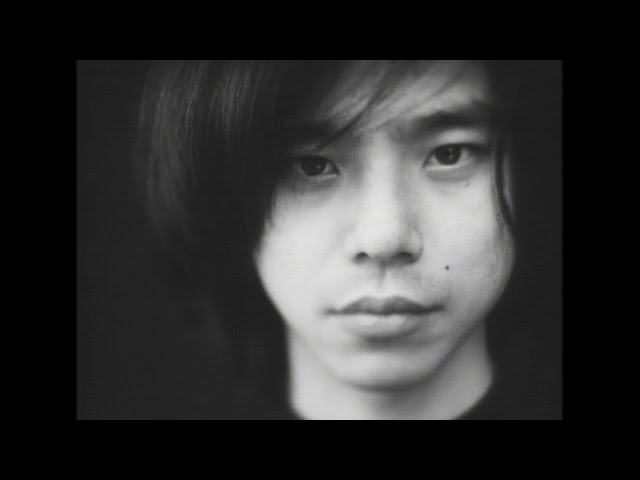
It’s a deeply moving masterpiece that powerfully sings of passion for the future while gazing into everyday feelings of emptiness and loneliness.
Set against the backdrop of a city at dusk, it portrays the solitude and struggles of people living in an urban landscape, yet conveys a strong will to keep looking forward and moving on.
The soulful vocals unique to Elephant Kashimashi and the melody that resonates with the heart are beautifully in harmony.
Released in July 1997, the song was used as the theme for the Fuji TV drama “Because the Moon Shines at Night,” and was also included on the album “Run Toward Tomorrow – Moonlit Songs.” In 2017, it was performed in the band’s first appearance on the NHK Kōhaku Uta Gassen, winning over even more listeners.
It’s a track that will evoke deep empathy when you feel lost in life or spend a night thinking of someone dear.
ForeverGosuperāzu
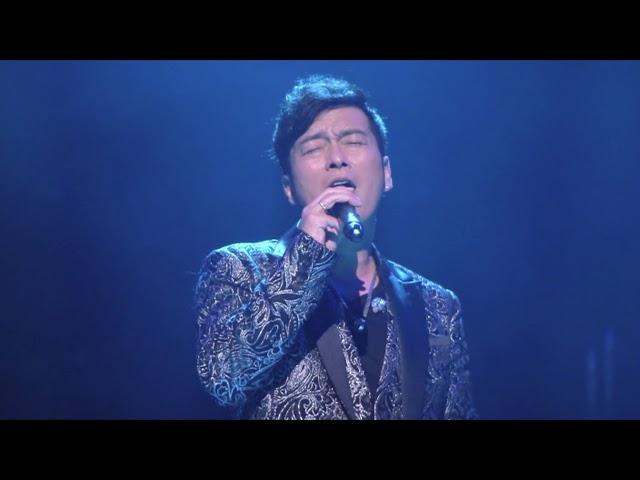
This celebrated song, which sings of an eternal bond with a loved one, gently conveys the unbreakable feelings that exist precisely because love is formless.
Transcending physical distance, the unwavering longing for the other person resonates in the heart alongside beautiful harmonies.
Released in August 2000, the track stayed on the Oricon chart for an impressive 44 weeks and was selected as the opening theme for TV Tokyo’s JAPAN COUNTDOWN.
Its diverse arrangements—hallmarks of The Gospellers—are part of its appeal, including the Album Version on the album “Soul Serenade” and the “unplugged live version” included on the single “Hitori.” It remains a beloved song that makes you want to sing while thinking of someone special, especially after time spent talking with friends.
TSUNAMISazan Ōrusutāzu

Known as a masterpiece that likens the pain of heartbreak to a tsunami, this work is a moving love song celebrated as one of Southern All Stars’ signature pieces.
It’s a gem of a ballad that expresses the sorrow of losing someone dear through a grand melody, fully showcasing Keisuke Kuwata’s exceptional songwriting and composing talent.
Released in January 2000, it topped the Oricon weekly charts and won the Japan Record Award the same year.
It was also selected as the theme song for the popular segment “Mirai Nikki III” on the TV program “U-nan no Hontoko!,” becoming a classic beloved across generations.
As a heartwarming song that offers comfort to those carrying the pain of losing someone special, it’s also highly recommended for karaoke.
Tear-jerking songs recommended for men in their 60s: Classic and popular Japanese tracks (41–50)
I Love you,SAYONARAChekkāzu

A gemlike ballad where wistfulness and warmth melt together.
Because they love each other, a man and woman choose to part for the other’s happiness—their deep affection seeps into the heart alongside an unforgettable saxophone melody.
Released by The Checkers in March 1987, the song quickly became famous as a SEIKO commercial tune.
It reached No.
2 on the Oricon Weekly chart and captured the No.
1 spot on The Best Ten.
This piece offers comfort to anyone who has experienced parting from someone dear.
The image of a man who deliberately says “I hate you” to initiate the breakup reveals a tender compassion at the heart of this gentle song.
Strawberry Statement, Once Againbanban

This song by Banban is a masterpiece that represents the folk movement of the 1970s.
It portrays tender yet bittersweet memories of youth, as the narrator looks back on a student-days romance, prompted by a rerelease of a film.
Many people can relate to the protagonist’s realistic, down-to-earth portrayal—where youthful ideals meet reality, and he chooses to cut his hair and take a job.
Released in August 1975, the song is also famous as the first piece ever written and provided by singer-songwriter Yumi Arai.
Banban’s harmonies blend beautifully with Arai’s lyrics and melody, and the song became a major hit, reaching No.
1 on the Oricon charts.
Beloved as a song that evokes nostalgia for youth, it’s also known for being easy to sing at karaoke.