

Tear-jerking songs recommended for men in their 60s: classic and popular Japanese hits

A collection of tear-jerking Japanese songs recommended for men in their 60s.
We’ve gathered a wide range of moving tracks from the 1960s and 70s, from youth anthems to love songs.
It’s okay to shed a tear as you remember those nostalgic days.
It’s also okay to listen from a grown-up perspective that’s different from back then.
Let these songs bring you comfort.
- Popular Japanese songs among men in their 60s: recommended masterpieces and classic tracks
- Good songs recommended for people in their 60s: classic and popular Japanese tracks
- Tear-jerking songs recommended for men in their 50s: classic and popular Japanese hits
- A love song that makes a man in his sixties relive his youth. Timeless classics that rekindle the romances of those days.
- Moving Japanese songs recommended for men in their 60s
- Cheering songs recommended for people in their 60s: classic and popular Japanese hits
- [2026] Autumn Songs for People in Their 60s: Classic Tracks Perfect for the Deepening Fall
- Popularity Ranking of Songs by Generation: 60s [2026]
- Tear-jerking songs recommended for women in their 50s: classic and popular Japanese hits
- Tear-jerking masterpieces sung by male artists that I’d recommend to Gen Z
- The nostalgic atmosphere tugs at your heartstrings. Tear-jerker songs from the Showa era.
- Interesting Japanese songs recommended for men in their 60s
- [Tearjerker] Songs that make your heart tremble with tears & moving tracks with lyrics that touch the soul
Tearjerker songs recommended for men in their 60s: Classic and popular Japanese hits (51–60)
single bedSha ran Q

A melodious ballad that poignantly portrays the feelings of a man who, after heartbreak, can’t bring himself to step into a new love.
The single bed etched with memories of his beloved now stands as a symbol of lonely solitude.
The simple, everyday happiness they once shared, and the aching longing for someone who has now become distant, tighten the chest.
Released by Sharam Q in October 1994, this song was used as the ending theme for the anime D·N·A² and is also included on the album “Inferiority Complex.” It’s a song that gently supports those who are trying to move forward while looking back on a past love, and those who have experienced parting with someone dear.
It was rainy again in Nagasaki today.Uchiyamada Hiroshi to Cool Five
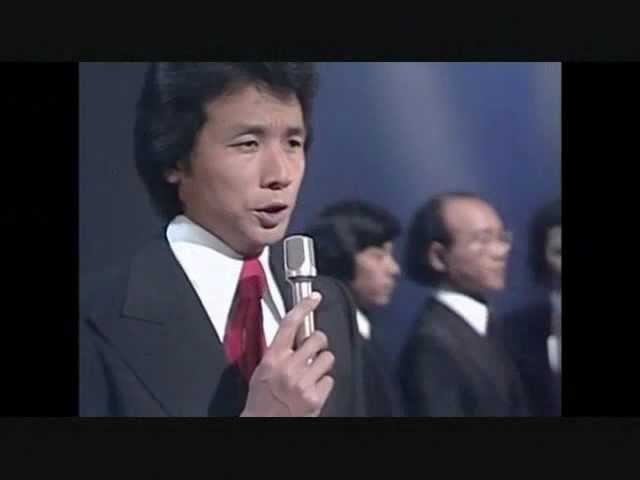
It was the major-label debut single by Hiroshi Uchiyamada and the Cool Five, released in February 1969, and it reached No.
2 on the Oricon weekly chart.
It won the Newcomer of the Year award at both the Japan Record Awards and the Japan Cable Awards, and it was also performed on the Kōhaku Uta Gassen.
Let’s meet in a dreamSakamoto Sumiko

“Yume de Aimashou” was a variety show broadcast on NHK, featuring a stellar cast including Tetsuko Kuroyanagi and Masumi Okada.
The song used as its theme was this one, performed by Sumiko Sakamoto, known as the “Queen of Latin.”
Farewell, youthogura kei

This is a song included on the B-side of singer-songwriter Kei Ogura’s debut single “Shiosai no Uta,” released in February 1971.
It was performed at the 1994 Kohaku Uta Gassen.
A version sung by Ken Tanaka has also been broadcast on the program “Minna no Uta.”
Tear-jerking songs recommended for men in their 60s: Classic and popular Japanese tracks (61–70)
I want to be kinder.Saitō Kazuyoshi

It’s a song whose vocals, seeking both kindness and strength, resonate in the heart as it faces a beloved person with a pure heart.
The way feelings for someone precious nurture gentleness is particularly striking.
Released in November 2011, this work drew attention as the theme song for the drama “Kaseifu no Mita” starring Nanako Matsushima.
Although it was a single released around the same time as Kazuyoshi Saito’s album “45 STONES,” its encounter with the blockbuster drama—whose ratings exceeded 40%—moved the hearts of many.
It’s a song that quietly stays by your side when you stand at a crossroads in life and want to reconsider your feelings for someone important.
White LoversKuwata Keisuke

A gem-like ballad woven from winter’s chill and gentle warmth.
Rather than viewing past love as a failure, it tenderly celebrates those moments of affection, wrapped in the distinctive warmth of Keisuke Kuwata’s vocals.
With imagery like snow quietly piling up and a calm atmosphere shaped by strings and winds, this single was released in October 2001.
Familiar from Coca-Cola commercials and, more recently, UNIQLO’s HEATTECH ads, the song also won the Gold Prize at that year’s Japan Record Awards.
It’s a heartfelt recommendation for anyone who has gone through a farewell with someone dear and wants to cherish the memories.
Hello, baby.Azusa Michiyo

This is a song by Michiyo Azusa released in 1963.
Listening to it may make some people feel nostalgic, recalling when their children were still little.
Two films based on this song were released in 1964.