

Uplifting Japanese songs recommended for men in their 60s

I’ve put together a playlist of uplifting songs from Japanese music—J-POP and kayōkyoku—recommended for gentlemen in their 60s, around retirement age.
It’s full of energizing tracks perfect for moments when you want to give it your all or need a little push.
- [2026 Edition] Songs Loved by People in Their 60s: Classic Hits from Their Youth
- [For People in Their 60s] Karaoke Songs That Get the Crowd Going: Ranking [2026]
- Cheering songs recommended for people in their 60s: classic and popular Japanese hits
- Japanese karaoke songs that are easy for men in their 60s to sing
- Upbeat Japanese songs recommended for women in their 60s
- Recommended Japanese karaoke songs for men in their 60s
- [Ages 60s] Popular Japanese Music / J-POP Rankings [By Generation]
- Moving Japanese songs recommended for men in their 60s
- Uplifting songs recommended for men in their 50s
- Interesting Japanese songs recommended for men in their 60s
- Cheer-up songs recommended for people in their 50s: classic and popular Japanese hits
- Songs that get men in their 90s excited: A roundup of classic karaoke recommendations
- Band song rankings popular among people in their 60s [2026]
Energizing Japanese songs recommended for men in their 60s (71–80)
A knife in the watermūnraidāzu

An up-tempo, uplifting track included on Moonriders’ fifth original album, “CAMERA EGAL STYLO / Camera = Fountain Pen.” Hirofumi Suzuki’s lyrics create a mystical world.
Song of Garlic Toast and Beef StewKato Cha

A notorious “bad song” by former Drifters member Kato Cha, which stirred controversy after his wife—45 years younger—made him sing it.
The footage, showing Kato Cha in his seventies seemingly henpecked by his wife, packs quite a punch; after watching it, you’ll probably feel encouraged, thinking, “My household isn’t so bad after all.”
You are more beautiful than a rose.Fuse Akira

An astonishingly wonderful classic by Akira Fuse that will blow your mind.
It’s the perfect kayōkyoku song, playfully singing about the nuances between men and women.
He nails the high notes, sings incredibly well, and has amazing vocal power—he’s like a bundle of talent.
Just hearing his voice gives you energy; it’s a magical song.
Cho Ero De GomenneAshitaba Kirara

This track is also a rap song guaranteed to get you wildly pumped up.
Even people in their 60s who feel their stamina waning won’t be able to help getting excited when they hear popular AV actress Kirara Asuka’s raunchy rap.
It features dominantly sadistic lyrics that could be called a “teasing rap,” echoing with bite.
Sūdara LegendUeki Hitoshi

This is a legendary video featuring a medley of songs by Hitoshi Ueki, the most popular member of Hana Hajime and the Crazy Cats.
It goes from “Sudara-bushi” to “The Unreliable Man,” then from “Don’t-bushi” to “Shut Up and Follow Me,” and ends with “Hai, Sore Made yo”—a nonstop set of incredibly uplifting tunes.
Go for it!Takehara Pisutoru

This is a cheering song featuring Pistol Takehara of former Zekkozen singing a classic by Miyuki Nakajima.
His voice and solo acoustic style, reminiscent of Showa-era folk songs, are sure to resonate with people in their 60s.
The harmonica sounds cool and uplifting, too.
youthNagabuchi Tsuyoshi
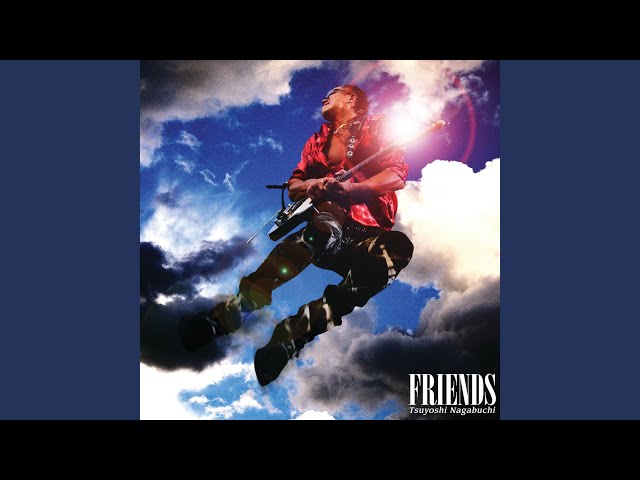
Steeped in astringent tones and inarticulate sorrow, this piece is a song packed with Tsuyoshi Nagabuchi’s appeal.
The shadowy chords of the acoustic guitar and the Latin American–tinged arrangement create an atmosphere that stirs a sense of impermanence and decadence.
Released in September 1983, it reached No.
5 on the Oricon chart and was also used as the theme song for the TBS drama “Kazoku Game” (The Family Game).
The lyrics, themed around bidding farewell to youth, evoke nostalgia for lost seasons.
It’s sure to resonate when you find yourself at a crossroads in life or feel like looking back on the past.