

Uplifting Japanese songs recommended for men in their 60s

I’ve put together a playlist of uplifting songs from Japanese music—J-POP and kayōkyoku—recommended for gentlemen in their 60s, around retirement age.
It’s full of energizing tracks perfect for moments when you want to give it your all or need a little push.
- [2026 Edition] Songs Loved by People in Their 60s: Classic Hits from Their Youth
- [For People in Their 60s] Karaoke Songs That Get the Crowd Going: Ranking [2026]
- Cheering songs recommended for people in their 60s: classic and popular Japanese hits
- Japanese karaoke songs that are easy for men in their 60s to sing
- Upbeat Japanese songs recommended for women in their 60s
- Recommended Japanese karaoke songs for men in their 60s
- [Ages 60s] Popular Japanese Music / J-POP Rankings [By Generation]
- Moving Japanese songs recommended for men in their 60s
- Uplifting songs recommended for men in their 50s
- Interesting Japanese songs recommended for men in their 60s
- Cheer-up songs recommended for people in their 50s: classic and popular Japanese hits
- Songs that get men in their 90s excited: A roundup of classic karaoke recommendations
- Band song rankings popular among people in their 60s [2026]
Energizing Japanese songs recommended for men in their 60s (31–40)
Our TomorrowElefanto Kashimashi

This is a masterpiece imbued with a powerful, emotionally resonant rock sound and a vision of walking toward the future alongside friends.
The friendship and bonds portrayed in the music video, along with the courage to step into a new tomorrow, gently support anyone seeking strength for their heart.
Released in November 2007 by Elephant Kashimashi, led by Hiroji Miyamoto, the song was used in a commercial for House Foods’ Ukon no Chikara and came to be loved by a wide audience.
It’s a track you’ll want to listen to when standing at a crossroads in life, when renewing your resolve, or when you need hope for the future.
With its robust melody, it fills you with the courage to move forward—an uplifting song that warms the heart.
ForeverGosuperāzu
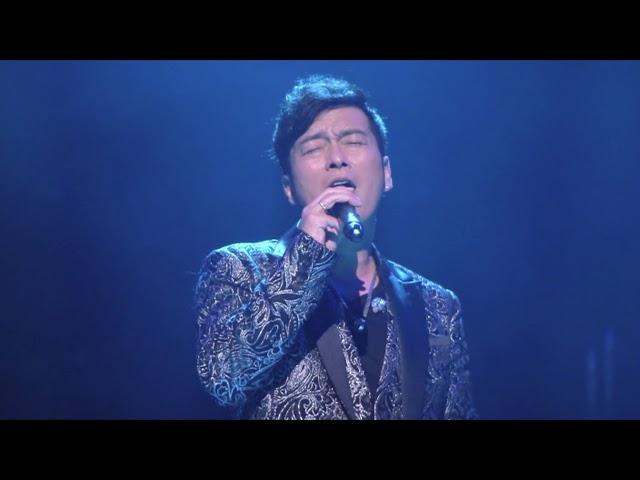
This celebrated song, which sings of an eternal bond with a loved one, gently conveys the unbreakable feelings that exist precisely because love is formless.
Transcending physical distance, the unwavering longing for the other person resonates in the heart alongside beautiful harmonies.
Released in August 2000, the track stayed on the Oricon chart for an impressive 44 weeks and was selected as the opening theme for TV Tokyo’s JAPAN COUNTDOWN.
Its diverse arrangements—hallmarks of The Gospellers—are part of its appeal, including the Album Version on the album “Soul Serenade” and the “unplugged live version” included on the single “Hitori.” It remains a beloved song that makes you want to sing while thinking of someone special, especially after time spent talking with friends.
TSUNAMISazan Ōrusutāzu

Known as a masterpiece that likens the pain of heartbreak to a tsunami, this work is a moving love song celebrated as one of Southern All Stars’ signature pieces.
It’s a gem of a ballad that expresses the sorrow of losing someone dear through a grand melody, fully showcasing Keisuke Kuwata’s exceptional songwriting and composing talent.
Released in January 2000, it topped the Oricon weekly charts and won the Japan Record Award the same year.
It was also selected as the theme song for the popular segment “Mirai Nikki III” on the TV program “U-nan no Hontoko!,” becoming a classic beloved across generations.
As a heartwarming song that offers comfort to those carrying the pain of losing someone special, it’s also highly recommended for karaoke.
Tracks of HopeSazan Ōrusutāzu

A gem of a message song woven with hope for the future and memories etched deep in the heart.
Created by Southern All Stars in September 1990 as an insert song for the film Inamura Jane, this piece gives you the courage to face forward while holding the past close.
It was also used as the theme song for Fuji TV programs Mezamashi TV and FNS 27-Hour Television.
Wrapped in a refreshing melody and warm lyrics, why not take a moment to recall nostalgic memories and the people you cherish? Adopted as the departure melody at JR Chigasaki Station, this song has blended into everyday life and continues to soothe the hearts of many.
Run, Kotaro!Sorutī Shugā

A masterpiece packed with humor and satire, modeled after a live horse race broadcast.
Released in July 1970, Salty Sugar’s work began as a joke about a chronically late band member and blossomed into superb popular entertainment.
The production weaves in race-style narration, horse names that parody popular buzzwords of the time, and even an impersonation of Governor Minobe, resulting in uproarious comedy.
It was adapted into a Toho-distributed film in February 1971, starring Shunji Fujimura.
The song sold around one million copies and won the New Artist Award at the 12th Japan Record Awards.
It’s a perfect pick to liven up parties and drinking gatherings with friends.
Energizing Japanese songs recommended for men in their 60s (41–50)
WON’T BE LONGBaburugamu Burazāzu

A track marked by an irresistibly catchy, upbeat groove and a festival-like, uplifting rhythm.
Inspired by the Awa Odori dance, its forward-looking message—filled with a powerful resolve to give your all for someone—really strikes a chord.
It features the Bubblegum Brothers’ signature breezy sound and approachable lyrics.
Released in August 1990, it initially drew little attention, but after being broadcast on a TV program in March 1991, it exploded in popularity and became a million-seller.
In 2006, it was also covered by EXILE and Kumi Koda.
It’s an encouraging anthem that gives energy and courage—especially recommended for those worn out by work or daily life.
It’s also perfect for livening up a karaoke session with friends.
Beard and Boobsyunikōn
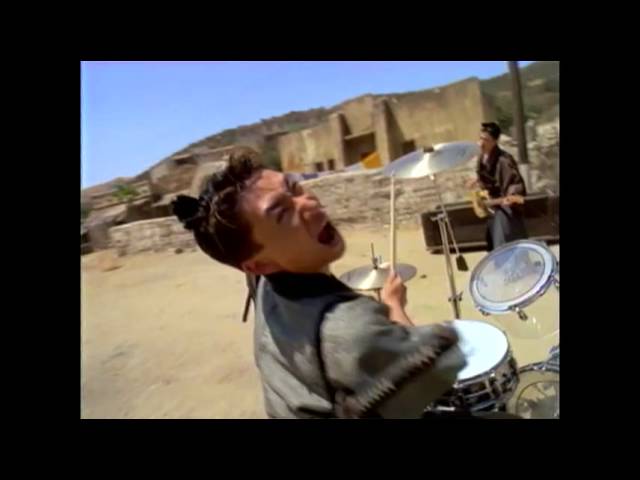
One of Unicorn’s signature works, this song humorously portrays the wavering emotions caught between a salaryman’s job and his love life.
Tamio Okuda’s lyrical world shines as he deftly weaves in modern workplace relationships, from a young company president to the woman at the neighboring desk.
Released in October 1991, the track features an arrangement inspired by the grand sound of Electric Light Orchestra, with a striking use of synthesizers.
As the closing song on the album “Hige to Boin,” it brilliantly conveys the complex feelings of a man who can’t give up on love even while being overwhelmed by work.
It’s a perfect pick for livening up after-work karaoke with colleagues.