

Popular Japanese songs among men in their 60s: recommended masterpieces and classic tracks

We’d like to ask men in their 60s: What’s your favorite Japanese song?
“Those songs you listened to all the time in your youth,” “the ones you still sing at karaoke”—all sorts of tracks probably come to mind.
In this article, we researched and compiled songs that are popular among people in their 60s.
We’ve selected a wide range, from timeless classics to tracks that have enjoyed a recent revival.
If you love music or just want to check out popular tunes, be sure to take a look!
It might just fill you with nostalgia!
- [2026 Edition] Songs Loved by People in Their 60s: Classic Hits from Their Youth
- Karaoke songs that are sure to get a 60-something man fired up
- Tear-jerking songs recommended for men in their 60s: classic and popular Japanese hits
- [For People in Their 60s] Ranking of Easy-to-Sing Karaoke Songs [2026]
- Recommended Japanese karaoke songs for men in their 60s
- A love song that makes a man in his sixties relive his youth. Timeless classics that rekindle the romances of those days.
- Japanese karaoke songs that are easy for men in their 60s to sing
- [Men in their 60s] Even if you're not good at singing, it's okay! Easy-to-sing songs for karaoke
- [2026] Recommended Japanese karaoke songs for men in their 50s
- Good songs recommended for people in their 60s: classic and popular Japanese tracks
- [Ages 60s] Popular Japanese Music / J-POP Rankings [By Generation]
- [60s] Karaoke Popularity Rankings by Generation [2026]
- Moving Japanese songs recommended for men in their 60s
Popular Japanese songs among men in their 60s: Recommended masterpieces and classic tracks (11–20)
Strawberry Statement, Once Againbanban

This song by Banban is a masterpiece that represents the folk movement of the 1970s.
It portrays tender yet bittersweet memories of youth, as the narrator looks back on a student-days romance, prompted by a rerelease of a film.
Many people can relate to the protagonist’s realistic, down-to-earth portrayal—where youthful ideals meet reality, and he chooses to cut his hair and take a job.
Released in August 1975, the song is also famous as the first piece ever written and provided by singer-songwriter Yumi Arai.
Banban’s harmonies blend beautifully with Arai’s lyrics and melody, and the song became a major hit, reaching No.
1 on the Oricon charts.
Beloved as a song that evokes nostalgia for youth, it’s also known for being easy to sing at karaoke.
Love Dial 6700Fingā 5
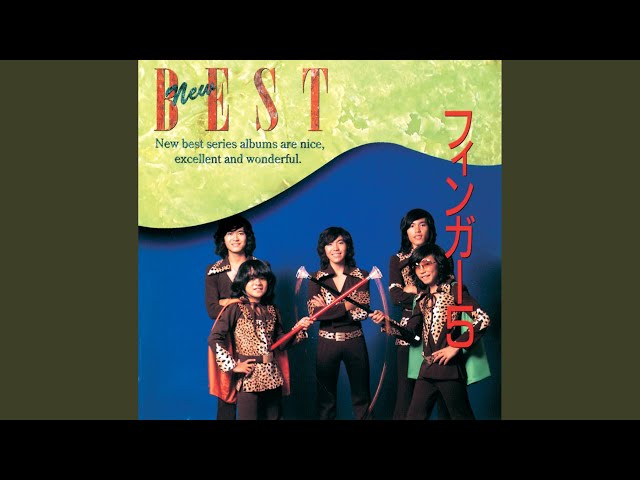
Released in December 1973, this song is known as one of Finger 5’s signature works.
Its lyrics, which focus on school-age romance, and its catchy melody have made it a beloved classic that lingers in many people’s hearts.
It generated a major buzz at the time, even reaching No.
1 on the Oricon Weekly Singles Chart.
In 1999, the album “Finger Heaven,” which included a remix version, was released, bringing the song to a new generation.
It’s highly recommended not only for people in their 60s who feel nostalgic for their youth, but also for younger listeners who admire songs about student romance.
Sing it at karaoke, and it’s sure to be a hit across generations!
First loveMurashita Kōzō

A bittersweet unrequited-love story that begins with a scene of early-summer rain.
Released as a single in February 1983, it was Kozo Murashita’s fifth release and became a major hit, reaching No.
3 on the Oricon charts.
It was also included on the album “Hatsukoi — Asaki Yume Mishi —,” and has since been covered by many artists, including Koji Tamaki and Hitomi Shimatani.
Filled with youthful memories that anyone who’s experienced unrequited love can relate to, this work invites you to quietly hum along on a calm night while thinking of someone dear.
In the Middle of a DreamKisugi Takao

A bittersweet love song that delicately portrays parting, reunion, and the fleeting nature of dreams.
Its steady yet lyrical melody blends with lyrics that resonate deeply, making it a gem of a masterpiece.
Takao Kisugi’s distinctive vocal style, known as the “Kisugi-bushi,” further enhances the song’s appeal.
Exuding an urban, nostalgic atmosphere, the piece was released as a single in November 1981 and included on the album Yume no Tochū, released in December of the same year.
Additionally, Hiroko Yakushimaru covered it as the theme song for the film Sailor Suit and Machine Gun, and it became a major hit.
The original album also ranked high on the Oricon charts, placing 11th in annual sales for 1982.
It’s the perfect track for moments of calm or when you want to reminisce about someone special—a classic that gently soothes the heart.
As time goes bysawada kenji

A gem of a ballad that depicts the wounded hearts of lonely men and women, gently wrapped in tender love.
The poignant lyrics about men and women burdened with exhausted hearts strike deep, and when combined with Kenji Sawada’s sultry vocals, they evoke profound emotion.
Released as an insert song for the drama “Akuma no Youna Aitsu,” which premiered in August 1975, this work became a major hit, topping the Oricon chart for five consecutive weeks.
The fusion of Yu Aku’s masterful lyrics and Katsuo Ohno’s lyrical melody produced a treasured classic that quietly stays by your side when you feel weary of life or uncertain about a relationship with someone dear.
Blue ChateauJakkī Yoshikawa to Burū Komettsu

A bittersweet love story unfolds against the backdrop of a blue castle surrounded by forests and springs.
Considered a landmark of the Group Sounds era, this song became a massive hit upon its release in 1967 and won the 9th Japan Record Award.
Selling over one million copies and securing a spot in the 18th NHK Kōhaku Uta Gassen, it has become a classic in the history of Japanese pop music.
While influenced by Western music, it retains the distinct character of Japanese kayōkyoku, with a beautiful melody and lyrics that resonate deeply—continuing to be cherished by many to this day.
It’s a track brimming with the charm of Jackie Yoshikawa and the Blue Comets; why not listen to it together with someone special?
Popular Japanese songs among men in their 60s: Recommended masterpieces and classic tracks (21–30)
My good friendKamayatsu Hiroshi

This song is celebrated as a masterpiece that fuses the folk and rock genres.
Written and composed by Takuro Yoshida, it’s a gem of a track highlighted by Hiroshi Kamayatsu’s standout vocals.
The profound lyrics, portraying friendship, masculinity, and the changes of life, resonate deeply.
Released in April 1975, it peaked at No.
4 on the Oricon chart.
It entered the charts 12 times and sold 55,000 copies.
The recording was done by just Yoshida and Kamayatsu, with Masayoshi Takanaka handling the lead guitar in the intro.
Loved across generations, this classic has been covered by a variety of artists, including The Ventures and Linda Yamamoto.