

[2026 Edition] Songs Loved by People in Their 60s: Classic Hits from Their Youth


For people now in their 60s, their youth was around the 1970s, right?
The music you listened to in your teens and twenties still resonates in your heart today, wrapped in memories.
In this article, we’ve compiled songs that colored the youth of those in their 60s—classics from the era when many Showa pop and folk masterpieces were born.
We hope it helps you reminisce alongside your memories of those days, and also serves as a guide for choosing karaoke songs to enjoy with your peers.
Of course, it’s also recommended for younger generations interested in Showa-era music!
- Good songs recommended for people in their 60s: classic and popular Japanese tracks
- Popularity Ranking of Songs by Generation: 60s [2026]
- [Recommended for people in their 70s] Classic nostalgic hits: A collection of youth songs
- Recommended for women in their 60s! Easy-to-sing Japanese karaoke songs
- Coming-of-age songs for your 50s: heart-thumping × heartwarming classics and popular tracks [2026]
- Popular Japanese songs among men in their 60s: recommended masterpieces and classic tracks
- [60s] Karaoke Popularity Rankings by Generation [2026]
- Recommended for women in their 60s! Songs that get the crowd going at karaoke
- Love songs that resonate with women in their 60s: gem-like romance tunes that revive memories of youth.
- [For People in Their 60s] Ranking of Easy-to-Sing Karaoke Songs [2026]
- [Ages 60s] Popular Japanese Music / J-POP Rankings [By Generation]
- A love song that makes a man in his sixties relive his youth. Timeless classics that rekindle the romances of those days.
- Spring songs for people in their 60s: A collection of classic tracks about cherry blossoms and farewells
[2026 Edition] Songs Loved by People in Their 60s: Classic Hits from Their Nostalgic Youth (71–80)
As time goes bysawada kenji

Kenji Sawada, who helped lead the Group Sounds era that reached its peak in the late 1960s.
After his time with The Tigers and PYG, he transitioned to a solo career and continued to release hits such as “Kiken na Futari” and “Katte ni Shiyagare.” “Toki no Sugiyuku Mama ni” is his 14th single, released on August 21, 1975.
It became a classic hit as an insert song for the TBS drama “Akuma no Yōna Aitsu,” in which he starred.
With its overwhelming vocal prowess, androgynous aura, and quintessential Showa kayō (Japanese pop) vibe, it’s a number that lets you fully savor that era.
I’d love for younger generations to give it a listen!

cold rainhaifaisetto

“Tsumetai Ame” (Cold Rain) is a renowned breakup song that brought Hi-Fi Set to widespread recognition.
Written and composed by Yumi Arai, it delicately portrays the sorrow and confusion at the moment of parting.
The falsetto lines that soar in the chorus seize the listener’s heart and heighten the sense of poignancy.
For those in their 60s who feel nostalgic for music from around the 1970s, it will resonate as a deeply memorable track.
Younger generations, too, are sure to be moved by the beauty of its melody and lyrics.
Embracing the universal theme of heartbreak, this piece will continue to be loved by many across the ages.
Season of LovePinkī to Kirāzu

A debut single by Pinky and the Killers, a bossa nova band led by Yoko Kon, and a signature song of the Showa-era kayōkyoku.
It fuses a Latin-style rhythm characteristic of bossa nova with the mood of Showa-era pop, with Yoko Kon’s powerful vocals, her androgynous style, and the backing chorus all matching perfectly to create a moody atmosphere you can really savor.
Personally, I remember it playing in the film Showa Kayo Daizenshu starring Ryuhei Matsuda, and it got stuck in my head.
It’s a timeless classic even today, so definitely give it a listen!
RomanceIwasaki Hiromi
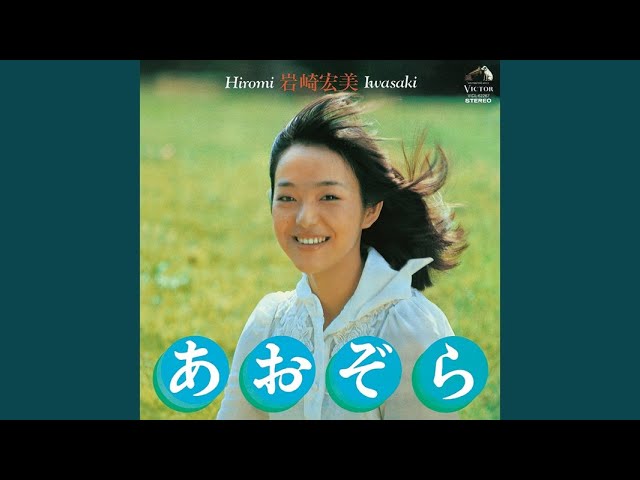
The song “Romance,” which colored the music scene of the 1970s, is an immortal classic whose melody and lyrics convey deep affection and have left a lasting mark on many hearts.
Hiromi Iwasaki’s clear, powerful voice vividly expresses the bittersweet emotions of love, and the song won numerous awards when it was released.
It continues to be beloved by karaoke fans today, captivating listeners across generations and securing its status as a defining hit of the ’70s.
For many, it brings back memories of youthful, aching love and days of adolescence.
For those who lived through that era and for newer generations alike, it is a nostalgic piece that resonates deeply and comes highly recommended.
I look up as I walkSakamoto Kyu

It is a timeless masterpiece in the history of Japanese popular music, released by Kyu Sakamoto in 1961.
The song was written and composed by Rokusūke Ei and Hachidai Nakamura, who also created pieces like “Tooku e Ikitai” and “Tasogare no Begin,” and it became a huge hit in the United States under the title “SUKIYAKI.” Kyu Sakamoto’s distinctive, buoyant vocal style is striking.
When this song was being sung, Japan was heading into the postwar period of rapid economic growth, and many people likely projected their own feelings onto the song as they each walked their own path.
metropoliskurisutaru kingu

Crystal King’s ‘Daitokai’ is a masterpiece that lodges in your ears from the moment it’s aired, leaving a lasting impression.
Born at the end of the ’70s and becoming a hit in the early ’80s, it epitomizes its era.
Its catchy chorus and striking twin vocals naturally draw listeners in.
It has long been a karaoke staple and continues to fascinate many fans today.
Its appeal undoubtedly resonates with younger generations as well, carried on both as a symbol of youth and as a fresh page of new memories.
The Maiden with Flaxen HairVirejji Shingāzu

This is a February 1968 work by the Village Singers that portrays the radiant purity of youth and the sweet, bittersweet stirrings of first love, carried by a gentle melody.
Its calm, melodious, group-sounds-style progression blends beautifully with Koichi Sugiyama’s sophisticated composition and Atsushi Hashimoto’s lyrically rich words.
The song was also used as the theme for TBS’s morning program “Young 720” and became a major hit, reaching No.
7 on the Oricon chart.
With a breezy, springlike lightness and a clear voice that sings of aching love, it imparts an uplifting, heart-stirring exhilaration.
It’s a track perfect for the season when spring is in the air, or for moments when your heart dances with love.