

[2026 Edition] Songs Loved by People in Their 60s: Classic Hits from Their Youth


For people now in their 60s, their youth was around the 1970s, right?
The music you listened to in your teens and twenties still resonates in your heart today, wrapped in memories.
In this article, we’ve compiled songs that colored the youth of those in their 60s—classics from the era when many Showa pop and folk masterpieces were born.
We hope it helps you reminisce alongside your memories of those days, and also serves as a guide for choosing karaoke songs to enjoy with your peers.
Of course, it’s also recommended for younger generations interested in Showa-era music!
- Good songs recommended for people in their 60s: classic and popular Japanese tracks
- Popularity Ranking of Songs by Generation: 60s [2026]
- [Recommended for people in their 70s] Classic nostalgic hits: A collection of youth songs
- Recommended for women in their 60s! Easy-to-sing Japanese karaoke songs
- Coming-of-age songs for your 50s: heart-thumping × heartwarming classics and popular tracks [2026]
- Popular Japanese songs among men in their 60s: recommended masterpieces and classic tracks
- [60s] Karaoke Popularity Rankings by Generation [2026]
- Recommended for women in their 60s! Songs that get the crowd going at karaoke
- Love songs that resonate with women in their 60s: gem-like romance tunes that revive memories of youth.
- [For People in Their 60s] Ranking of Easy-to-Sing Karaoke Songs [2026]
- [Ages 60s] Popular Japanese Music / J-POP Rankings [By Generation]
- A love song that makes a man in his sixties relive his youth. Timeless classics that rekindle the romances of those days.
- Spring songs for people in their 60s: A collection of classic tracks about cherry blossoms and farewells
[2026 Edition] Songs Loved by People in Their 60s: Classic Hits from Their Youth (91–100)
TRAIN-TRAINTHE BLUE HEARTS

A rock tune that stays close to each listener and keeps delivering a powerful message.
With its straightforward spirit and energetic performance, this is a signature work by THE BLUE HEARTS that truly breaks through.
Hidden within are hints for finding your own way of life—guidance for the road of life.
After its release in November 1988, it ranked for five consecutive weeks on a TBS music program, and starting in January 1989 it was also chosen as the theme song for the TBS drama “High School Graffiti.” This track has become a staple at sporting events as well, used as a cheer song in high school baseball and as walk-up music by many professional baseball players.
It’s recommended for times when you’re feeling down, ready to take a new step forward, or standing at a crossroads in life.
It’s a song that’s sure to give you courage and hope.
Your heart is marine blue.Sugiyama Kiyotaka & Omega Tribe

This song gently and poignantly portrays a man’s aching desire to tenderly catch the tears of a woman, weary after a farewell, as they drive along the coast.
Overflowing with melancholy and kindness, the lyrics strikingly capture the feelings of a man trying to restore a relationship with someone irreplaceable.
It’s a bittersweet yet warm tale that resonates deeply, with a yearning to return to the summer memories of August.
Released in January 1984 by Kiyotaka Sugiyama & Omega Tribe, the song was used as the theme for the drama “Toshigoro Kazoku” and reached as high as No.
9 on the music program “The Best Ten.” It was also included on the album “River’s Island,” winning the hearts of many.
This is a song to listen to by your side when you want to heal the wounds of heartbreak or reflect on your relationship with someone special.
[2026 Edition] Songs loved by people in their 60s: Classic hits from their nostalgic youth (101–110)
To say goodbyebiriibanban

“To Say Goodbye” is a song passed down as a heart-touching folk tune.
The bittersweet feelings experienced by young people in the 1970s feel fresh no matter when you listen and inspire deep empathy.
Koji Ishizaka’s delicate lyrics strike a chord in anyone who has gone through heartbreak or parting.
When you take on this song at karaoke, singing with the emotion you hold in your heart can move those around you.
And the fleeting yet beautiful melody sung by Billy BanBan has a universal appeal that resonates across generations.
The fact that it has been widely loved—featured as the theme song for “3-chome 4-banchi” and in iichiko commercials—speaks to its enduring charm.
Love Dial 6700Fingā 5
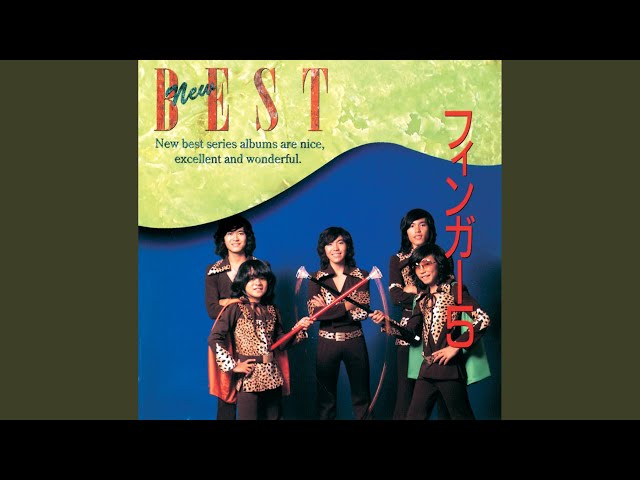
Finger 5, the brother group that represents the Showa era, released their third single, “Koi no Dial 6700,” and it’s an essential youth anthem! Back then, didn’t many of us have the same experience—nervously calling someone we liked? Just hearing the intro instantly brings back that flutter of excitement from those moments.
Its poppy, catchy melody appeals to people of all ages, so it might be a great one to recommend to younger generations as well.

Let’s go, Shake!Terauchi Takeshi & Banīzu

A happy tune from March 1967 that weaves together a seaside coming-of-age romance and the explosive sound of electric guitar.
A classic that epitomizes the golden era of Group Sounds, it won fervent support in dance halls and go-go clubs, symbols of youth culture.
Known as a signature work by Takeshi Terauchi and the Bunnys, it was included on the album “Let’s Go ‘Fate’” and won the Arrangement Award at the 9th Japan Record Awards.
The energetic sound born from Terauchi’s exceptional guitar technique and the band’s tight cohesion makes this a gem that conveys the essence of surf rock.
Highly recommended for anyone who wants to relive the radiance of youth or explore the history of Japanese rock.
The season the sun gave usaoi sankakujougi

We’ve introduced many timeless youth anthems that will resonate with people in their 60s.
Some are songs you still hear often, while others you may not have listened to in a long time.
But perhaps every track brought back memories of those days.
Put on the songs featured in this article and soak in the nostalgia.
And for the younger generation, use this as a reference when you go to karaoke with people in their 60s!

Ha-ha-haZa Rindo & Rindāzu

A lively pop tune by The Linds & Linders, released in August 1968, carried by a snappy rhythm and bright melody.
As one of the Kansai region’s representative Group Sounds acts, the song was featured in a popular TV commercial for Nobel Confectionery’s “Amand Kiss,” boosting its recognition even in the Tokyo metropolitan area.
As a signature number from a leading Kansai GS group, the single’s B-side includes the lyrical ballad “Four Days’ Love.” This track was later included in the January 2000 album “The Linds & Linders Meets The Youngers: Complete Singles,” winning over a new generation of fans.
Recommended for those who want to feel the spirit of the Group Sounds heyday or bask in the nostalgia of their youth.