

[2026 Edition] Songs Loved by People in Their 60s: Classic Hits from Their Youth


For people now in their 60s, their youth was around the 1970s, right?
The music you listened to in your teens and twenties still resonates in your heart today, wrapped in memories.
In this article, we’ve compiled songs that colored the youth of those in their 60s—classics from the era when many Showa pop and folk masterpieces were born.
We hope it helps you reminisce alongside your memories of those days, and also serves as a guide for choosing karaoke songs to enjoy with your peers.
Of course, it’s also recommended for younger generations interested in Showa-era music!
- Good songs recommended for people in their 60s: classic and popular Japanese tracks
- Popularity Ranking of Songs by Generation: 60s [2026]
- [Recommended for people in their 70s] Classic nostalgic hits: A collection of youth songs
- Recommended for women in their 60s! Easy-to-sing Japanese karaoke songs
- Coming-of-age songs for your 50s: heart-thumping × heartwarming classics and popular tracks [2026]
- Popular Japanese songs among men in their 60s: recommended masterpieces and classic tracks
- [60s] Karaoke Popularity Rankings by Generation [2026]
- Recommended for women in their 60s! Songs that get the crowd going at karaoke
- Love songs that resonate with women in their 60s: gem-like romance tunes that revive memories of youth.
- [For People in Their 60s] Ranking of Easy-to-Sing Karaoke Songs [2026]
- [Ages 60s] Popular Japanese Music / J-POP Rankings [By Generation]
- A love song that makes a man in his sixties relive his youth. Timeless classics that rekindle the romances of those days.
- Spring songs for people in their 60s: A collection of classic tracks about cherry blossoms and farewells
[2026 Edition] Songs Loved by People in Their 60s: Classic Hits from Their Nostalgic Youth (71–80)
Burn, you fine womantsuisuto
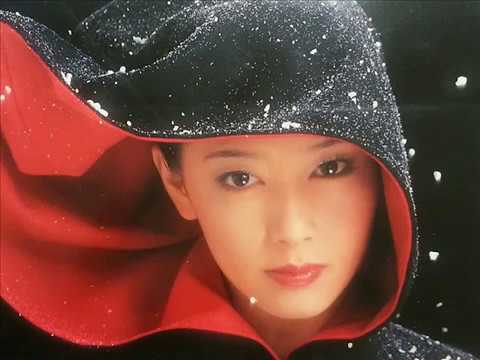
After the jang-jang guitar hits in the intro finish and the horns come in, that balance is so quintessentially Showa-era rock—Twist’s 1979 classic “Moero Ii Onna.” Back in the days before karaoke boxes, when people sang it at karaoke, everyone would swap out the “Natsuko” in the lyrics for the name of whoever they liked.
It was also used in a Shiseido commercial, and I’m sure many men’s hearts fluttered at the sight of the statuesque Miyuki Ono in the ad.
It’s a song I’d love to hear from the mischievous uncles who were a bit wild in their youth.
Fall in LoveKobayashi Akiko

Akiko Kobayashi’s debut single, “Koi ni Ochite -Fall in love-,” was used as the theme song for the drama Friday Wives III: Fall in Love.
With lyrics about not being able to meet on holidays, the song is also beloved as an anthem about an affair; the aching feelings of a woman who longs to see the man she loves but can’t bring herself to contact him are truly heartrending.
The lyrics even feature a rotary dial telephone—nostalgic for those in their 60s—making it one of those masterpieces that brings back memories of past romance.

SOMEDAYSano Motoharu

A gem of a song that portrays the brilliance of youth and its end with a powerful sound and lyrics that resonate deeply.
One of Motoharu Sano’s signature works, it weaves together the emotions that accompany young love, dreams, and growth with a beautiful melody.
Its universal themes of graduating from innocence and growing into adulthood have left a lasting mark on many hearts.
Released in June 1981 and later included on the album of the same name the following year, the song was also featured in 1989 as the CM track for JR Tokai’s “Fight! Express” campaign.
Celebrating the importance of holding on to dreams and ideals, it continues to be cherished as an anthem that stands by those at life’s crossroads, giving them the courage to take a new step forward.
[2026 Edition] Songs Loved by People in Their 60s: Classic Hits from Their Nostalgic Youth (81–90)
youKozaka Akiko

“Anata” is a song released by Akiko Kosaka in 1973, known for its gentle vocals and melodies that resonate with the heart.
Its bittersweet lyrics have continued to be cherished through changing times, making it an enduring classic frequently chosen for karaoke.
The more you listen, the more its charm draws you in, and it has become a piece passed down across generations.
While the clear high notes require technique to sing, they further enhance the song’s dramatic worldview.
This track, which evokes the feeling of traveling beyond eras, is a special piece for those who nostalgically recall youth around the 1970s, and it remains beloved by many to this day.
Among the seasonsMatsuyama Chiharu

For people in their 60s, the one artist you simply can’t leave out is Chiharu Matsuyama.
This work is his fifth single, “Kisetsu no Naka de,” released on August 21, 1978.
It achieved a remarkable record by reaching No.
1 on the Oricon singles chart for the first time in his career and selling over a million copies in total.
The song shifts from a gently delivered A-melody to a grand chorus that fully showcases his vocal prowess, gripping listeners’ hearts.
Among Matsuyama’s many timeless songs, this one is especially beautiful in the way it intertwines scenery and emotion.
Be sure to experience this moving masterpiece for yourself.

Like the flow of a riverMisora Hibari

Released on January 11, 1989, three days after the era name changed from Showa to Heisei, this was Hibari Misora’s final single released during her lifetime.
It’s a masterpiece that represents the Showa era and is truly loved across generations.
Having lived a life full of dramatic ups and downs, Misora poured her heart and soul into singing this song while battling her illness, and her voice moved people of all ages listening at home.
It’s a song that conveys a grand message: each small river flows in its own way, yet eventually they all pour into the same wide sea.

Farewell, my loverSakai Masaaki

This was the solo debut song of Masakazu Sakai, who also made his mark as a member of The Spiders.
It peaked at No.
2 on the Oricon Weekly Chart, and he performed it at the 22nd NHK Kōhaku Uta Gassen.
It’s also well known for being covered by singer-songwriter Masayoshi Yamazaki.
The song portrays the feelings of a man who leaves a letter and slips away while the woman he loves is sleeping.
The reason for the breakup isn’t described—only that “I’m the one at fault.” For men in their 60s, it may be a song that brings back memories of their youth—whether they parted with a lover to chase a dream or couldn’t marry due to family circumstances.