

[Masaki Suda] Easy-to-sing songs. Recommended tracks that feel great to sing at karaoke


In addition to his success as an actor, Masaki Suda also delivers songs that leave a lasting impression as a singer.
Have you ever wanted to sing his songs at karaoke, only to struggle because the melodies rise and fall more than expected or because conveying the emotions is tricky? In particular, Sayonara Elegy is a popular staple, but some people might feel uncertain about hitting the soaring chorus.
In this article, we’ll introduce relatively easy-to-sing songs from Masaki Suda’s discography.
Pay attention to vocal range and tempo, and find the one that suits you best!
- Even karaoke beginners can relax! Easy-to-sing songs for men
- Karaoke songs recommended for men with low voices or who are good at singing in a low register
- [Karaoke] A roundup of songs that are easy for women to sing!
- [Even If You're Tone-Deaf, It's Okay!] Easy-to-Sing Karaoke Songs and Practice Tracks
- [Karaoke] Recommended easy-to-sing songs by Kazuyoshi Saito.
- Songs that make you sound good at karaoke
- [For Men] What Karaoke Songs Make It Easy to Score 100? A Curated List of Easy-to-Sing Tracks
- Even if you’re tone-deaf, it’s okay! Easy karaoke songs for women
- Even for those not confident in their singing! Easy-to-sing karaoke songs released in the Reiwa era
- [For women] Songs with a narrow vocal range that are easy to adjust the key for!
- No worries if you're tone-deaf! Easy-to-sing J-pop songs for karaoke
- [Karaoke] Easy-to-sing songs by Dai Hirai, with explanations
- A must-see for low-voiced women! Popular songs that are easy to sing at karaoke
[Masaki Suda] Easy-to-sing songs. Recommended tracks that feel great to sing at karaoke (21–30)
DorasSuda Masaki

This is a track included on the second album “LOVE,” for which Suda himself wrote both the lyrics and music.
While aligning with the album’s concept of “love,” it reflects Suda’s inner self, and it’s well-loved on music streaming services and in karaoke.
It’s basically a high-energy song, so imagine projecting your voice far and sing with high energy.
Since there are parts that are slightly fast-paced, rather than enunciating every word crisply, if you put the accent at the beginning, you’ll catch the flow better.
Instead of forcing each word, make sure to ride the melody firmly.

to echo; to reverberateSuda Masaki

It’s the theme song for the film “Kimi to Sekai ga Owaru Hi ni FINAL.” Masaki Suda himself took part in producing it, and it’s an up-tempo track featuring dynamic guitar sounds, written around the theme of the protagonist Hibiki Mamiya’s “boundless love.” The overall vocal range spans two octaves from C#3 to C#5, and falsetto is also used.
Basically, it sits in a chest-voice-friendly range, with the highest note appearing just before the final chorus.
When you go into falsetto, try releasing your breath as if from above your head, thin but strong—it should suit the song’s vibe.
cloverSuda Masaki

If you’re looking for a song with few high notes that you can sing comfortably, I recommend Clover.
This track is included on Masaki Suda’s second album LOVE, with lyrics and music by Huwie Ishizaki.
With its heartwarming message to someone special and honest, straightforward feelings, the song has almost no high parts and is a medium-tempo number you can sing without strain even in the original key.
It’s also recommended for women who struggle with high notes, as the range is easy to sing.

Long Hope PhiliaSuda Masaki

If you want to sing a Masaki Suda song at karaoke but aren’t very confident in your singing, I recommend “Long Hope Philia.” This track doesn’t have many high notes and is notably easy to sing.
The melody line is beautiful yet simply constructed, so even those who struggle with singing can pick up the knack more easily.
It’s a song that brings out the beauty of both mid-low and high tones.
It was also used as the theme song for the anime film “My Hero Academia: Two Heroes,” so it’s a great pick for gatherings of anime song fans!
Gazing at the starsSuda Masaki
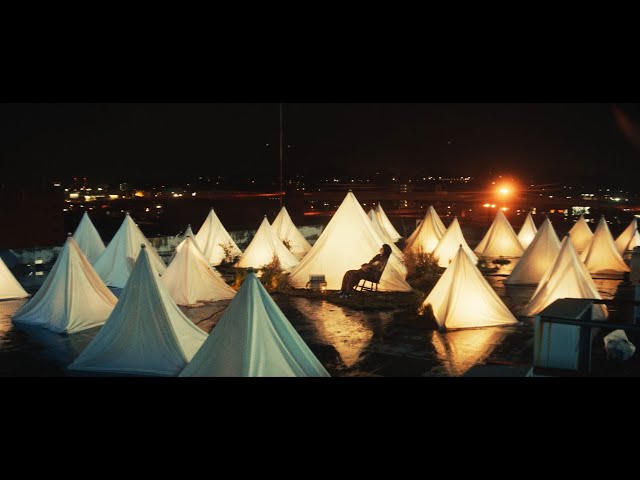
The piece “Gazing at the Stars” stands out with its delicate atmosphere.
The vocal line in this work feels like classic J-pop, tending toward simplicity.
However, because the overall range is high, those who struggle with high notes will need to lower the key.
What’s crucial here is the falsetto section in the chorus.
Adjust the key based on whether you’ll sing that part in falsetto or in chest voice.
If your voice just doesn’t sit right, consider giving up on matching the original and try singing it a bit more loudly and boldly instead.

threadSuda Masaki × Ishizaki Hyui

Ito, a collaboration by Masaki Suda and Huwie Ishizaki.
Chosen as the ending theme for a film of the same name, this song is one of Miyuki Nakajima’s signature works that moves listeners’ hearts.
In particular, Suda’s masculine vocals—ranging from rich lower-mid tones to beautiful highs—and Ishizaki’s gentle, warm voice amplify the song’s emotional impact.
Thanks to its simple melody, it’s easy to sing and a good choice to try at karaoke.
Although originally sung by a woman, the range isn’t very high, so it’s comfortable for both men and women to sing.
Last sceneSuda Masaki

Masaki Suda’s voice, where strength and gentleness coexist, is captivating and popular at karaoke.
Among his songs, Last Scene especially resonates with its familiar melody and lyrics that reflect on the importance of what we must protect.
It’s fitting that this track was chosen as the theme song for the TV drama “Japan Sinks: People of Hope,” as its strong message really stands out.
At karaoke, its straightforward, unembellished singing style makes it approachable even for those who aren’t confident singers.
The key is not to rush and to keep a steady rhythm.