

Trivia and fun facts to make summer even more enjoyable

Summer is full of fun things to look forward to—beach trips, summer festivals, and more.
It’s not just kids; many adults also can’t help but feel excited, wondering what to do when summer arrives.
Don’t you want to learn some trivia and fun facts to enjoy that exciting summer even more? In this article, we’ll introduce general-interest trivia and tidbits about summer.
We’ve gathered topics from a variety of areas, including summer events, seasonal flavors, and fun leisure spots.
Use it as a companion for your summer outings or as material for a summer vacation project—hope you find it helpful!
- [For Kids] Fun Summer Trivia Quiz & Facts
- Make your summer festival even more fun! Trivia quizzes and fun facts for kids
- Enjoy summer festivals even more! Trivia quiz & fun facts collection
- A collection of trivia and fun facts about August that will warm your heart
- Trivia you think you know but surprisingly don’t? August trivia and fun facts quiz!
- Trivia and fun facts about July, including tidbits about Tanabata.
- [For General Readers] List of Summer Kigo: Evocative Everyday Words of Summer
- Trivia quiz with useful tips to know: fun facts that come in handy at school or at home [for kids]
- Exciting! Trivia quizzes that you’ll want to tell others about. A collection of surprisingly little-known facts.
- English will become more fun! A collection of trivia and fun facts about the English language.
- Speaking of summer, fireworks! Kid-friendly trivia quizzes and fun facts about fireworks
- [Killing Time] A Collection of Fun Trivia Quizzes You'll Want to Share with Someone
- Useful right away in daily life! Surprising trivia and handy tips
Trivia & Fun Facts to Make Summer Even More Enjoyable (1–10)
Marine Day was established to commemorate Emperor Meiji’s safe return from a sea voyage.
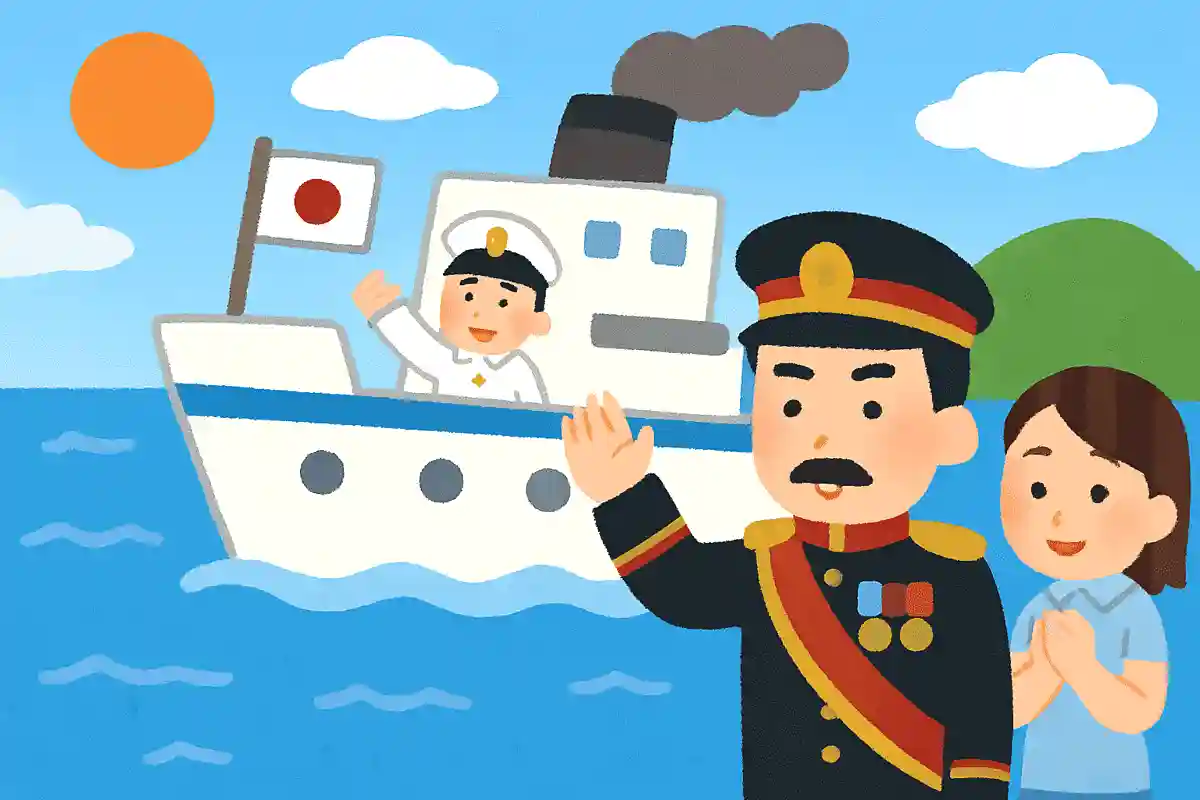
Marine Day is one of Japan’s national holidays, established as a day to give thanks to the sea and observed on the third Monday of July.
Although it is now a national holiday, did you know that Marine Day originally commemorated Emperor Meiji’s safe return from a sea voyage? In the past, when there were no trains or cars, ships were extremely important means of transportation.
It is said that Emperor Meiji traveled by ship to Hokkaido and the Tohoku region to inspect areas across Japan.
In 1941, the day was designated as Marine Memorial Day, and later, out of a desire for people to cherish the sea, it was established as the national holiday known as Marine Day.

The timing for giving midyear gifts (ochugen) varies by region.
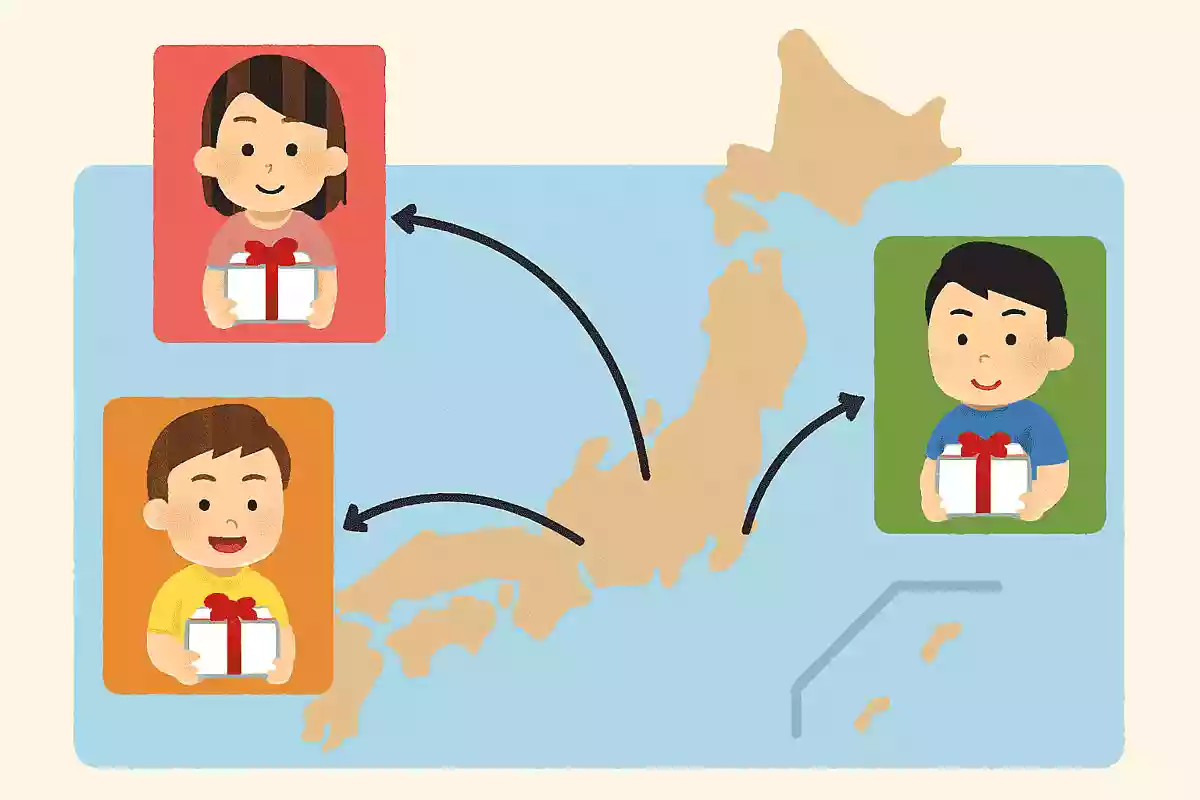
As the Obon season approaches, many households likely receive summer gifts (ochugen) at home.
The timing for sending ochugen varies by region, said to be because the dates of Obon differ from place to place.
When the calendar changed in the Meiji era, some regions aligned Obon with the new calendar while others kept the old lunar calendar, causing the timing of ochugen to diverge by region.
It’s best to send gifts according to the recipient’s regional custom, but if you’re unsure, arranging for delivery on July 15 is considered acceptable and polite.
Sunflowers were originally cultivated for food.
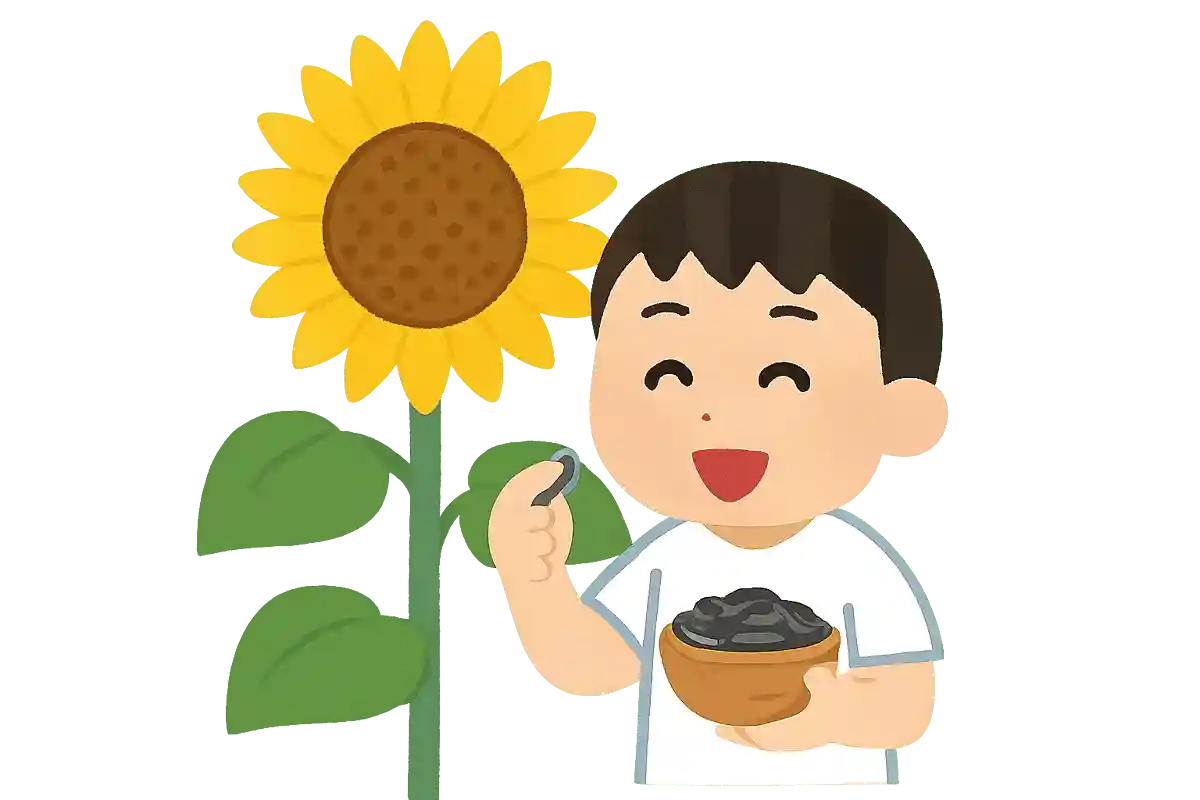
Sunflowers, which bloom vigorously facing the sun in summer, were originally cultivated for food.
Sunflower seeds are highly nutritious and packed with protein, and they were used in bread and sweets.
Oil was extracted from the seeds for cooking, and it was even used as a cream applied to the body.
While sunflowers delight people with their large blossoms in summer, learning their history offers a different way to appreciate them.
When you spot sunflowers in the summer, we recommend viewing them with these facts in mind.
Trivia & Fun Facts to Make Summer Even More Enjoyable (11–20)
In Greece, people eat watermelon topped with cheese.

Greek summers are very hot, and because you sweat a lot, you lose not only water but also salt.
In Greece, people sprinkle cheese on watermelon to bring out its sweetness, creating a sweet-and-salty combo that’s easier to eat and helps prevent summer fatigue.
In Japan, many people sprinkle salt on watermelon, but in Greece they especially use feta cheese to get through the scorching summer.
Watermelon is also sometimes added to salads, and its refreshing taste is perfect for the hot season!
Only female mosquitoes suck blood.

In summer, the heat is a major enemy, but getting bitten by mosquitoes when you go outside is also a big concern.
If it’s just a little itchy, you can put up with it, but some people swell up bright red due to their constitution.
However, mosquitoes bite humans to sustain life.
In fact, only female mosquitoes suck blood.
Female mosquitoes need it for laying eggs, so they feed on the blood of humans and animals.
They’re seeking protein, which flowers and grasses don’t provide.
When you think of it as sustaining life, you might feel like putting up with it a little…

The hottest place in the world is the Republic of Djibouti.
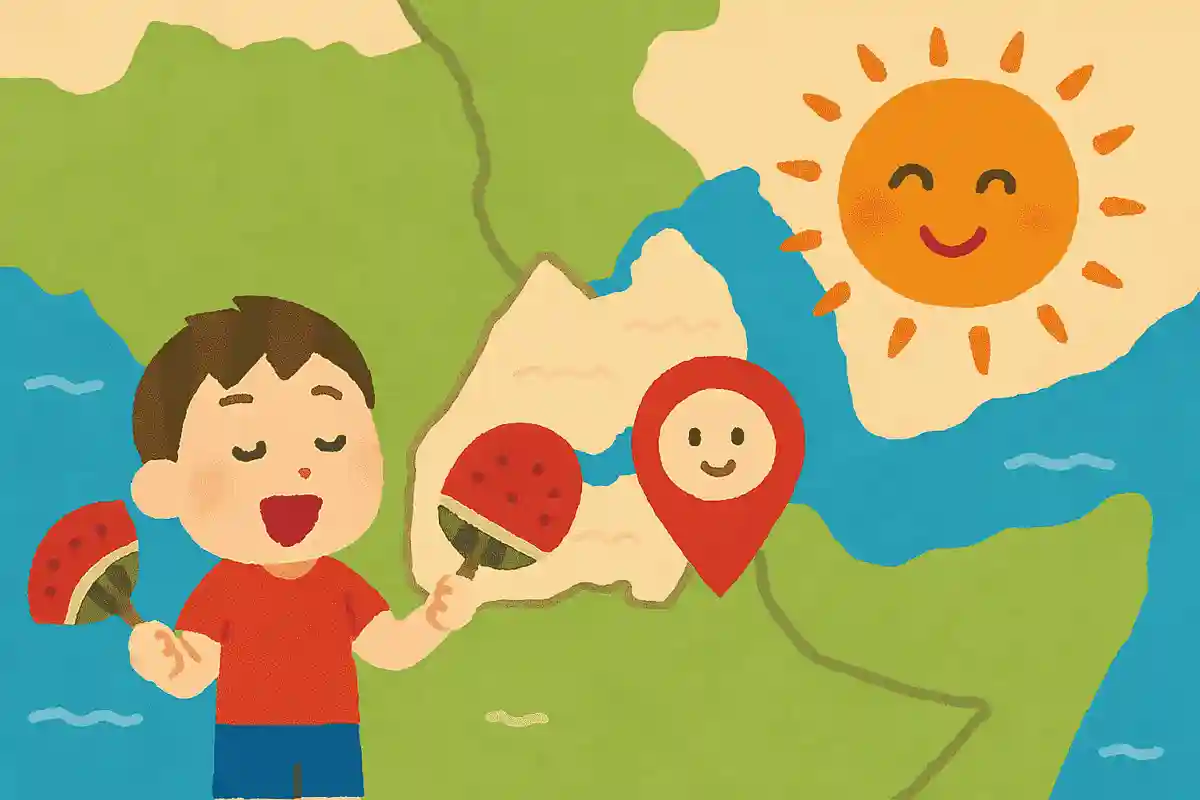
Summer is hot in Japan too, but Djibouti is said to be the hottest place in the world.
In particular, Djibouti has Lake Assal, a lake with a very high salt concentration, and the area around it is extremely hot—daytime temperatures exceeding 50°C are not uncommon.
The average summer temperature is said to be a staggering 45°C.
People in Djibouti reportedly finish work around 1 p.m., when the heat becomes severe, and go out after it cools down.
Many houses have walls painted white or cream to reflect heat and prevent it from building up inside the home.
The waterslide was born in Japan.

When you go to a pool, many people get excited about the big water slides.
In fact, these water slides were born in Japan! It’s said that the “Ohtaki Suberi” at the Funabashi Health Center in Chiba Prefecture in 1963 (Showa 38) was the world’s first water slide.
It was made by repurposing a grassy ski slope, so its shape and other features were different from today’s water slides.
Now they’re enjoyed at pools around the world, and over their long history they’ve evolved in form and design as people have found new ways to enjoy them.