

![[Tango] Famous Tango Songs: Recommended Popular Tracks](https://i.ytimg.com/vi/vaXNdVTGT0k/hqdefault.jpg)


A tango whose passionate rhythm and wistful melodies stir the heart.
Born on the street corners of Argentina, this music is now loved all around the world.
Have you ever felt a strange nostalgia or a flutter in your heart just by hearing the poignant tone of the bandoneon? Perhaps you’ve heard that memorable phrase in a movie or commercial and found yourself wanting to dive deeper into the world of tango.
In this article, we’ll introduce a wide range of classic and famous tango pieces.
Whether you’re listening for the first time or already familiar with tango, you’re sure to discover something new.
We hope you’ll find a new favorite track!
- Cool! Introducing classic masterpieces of Argentine tango
- Flamenco masterpieces. Recommended popular songs.
- Recommended Latin Music | Introducing Stylish Masterpieces
- Astor Piazzolla Popular Song Rankings [2026]
- Chanson masterpieces. Recommended popular songs.
- [2026] A Guide to Bossa Nova: From Classic Standards to the Latest Hits!
- [Famous Songs of the World] A curated introduction to soul-stirring popular Latin mambo tracks
- The appeal of large ensembles! Recommended masterpieces and popular songs of big bands
- Also great as café music! Introducing famous tunes to savor the charm of musette
- Carefully selected Japanese songs with a Latin flavor! Recommended J-POP brimming with exotic vibes
- [Celtic Music] Masterpieces of Celtic music. Recommended Irish music
- Polka masterpieces. Recommended popular songs.
- [2026] Brazil’s National Music! A Collection of Iconic and Popular Samba Songs
[Tango] Tango Masterpieces: Recommended Popular Songs (1–10)
LibertangoÁstor Piazzolla
A quintessential tango piece: the immensely famous Libertango by Astor Piazzolla.
Its aggressively intense character is worlds apart from traditional Argentine and Continental tango, yet its undeniable power convinces you it is still, unmistakably, tango.
Once it reaches your ears, you can’t help but be transfixed.
Piazzolla created a new form of tango infused with elements of classical music and jazz, and Libertango has become the piece most synonymous with his name.
Por Una CabezaCarlos Gardel
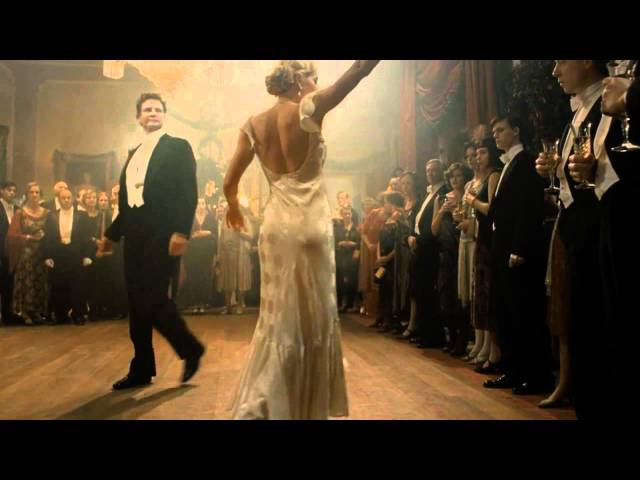
Among Argentine tangos, it’s no exaggeration to call “Por una Cabeza” the most famous piece.
Its passionate melody weaves an exquisite portrayal of romance that is not to be missed.
Composed by Carlos Gardel as an insert song for the 1935 film Tango Bar, it’s a work admired by lovers of tango.
It also drew attention when Diego El Cigala, the great Spanish flamenco singer often described as the Sinatra of the flamenco world, covered it with added lyrics.
It’s an essential piece for understanding tango.

El Huracán (typhoon)Edgardo Donato&Osvaldo Donato

El Huracán stands out for its hurricane-like intensity and a rhythm that electrifies the dance floor.
This classic was composed by Edgardo Donato, a pillar of Argentine tango’s golden age, together with his brother Osvaldo Donato.
Recorded in December 1932, the famous version features vocalist Félix Gutiérrez and is still frequently played at milongas around the world today.
As the title suggests, its swirling bandoneon and sharp violin tones are distinctive.
With its very clear, danceable rhythm, it’s an excellent recommendation for anyone looking to seriously begin tango dancing.
Redline TangoJohn Mackey

This work was composed by John Mackey, an American composer who enjoys tremendous popularity in the world of contemporary wind band music.
Originally written as an orchestral piece in 2003, it was arranged for wind ensemble the following year, in 2004.
True to its title, which suggests pushing the limits, the piece is breathtaking in its structure, where driving, high-velocity rhythms intersect with a sultry tango.
It also has a deep connection to contemporary dance, and its strong sense of physical dynamism is one of its major attractions.
In 2005 it received the prestigious Ostwald Award and has since become established as a classic tango within the wind band repertoire.
It appears on numerous collections, including the album “Redline Tango,” and is a must-listen for anyone seeking a thrilling musical experience.
Tango – The Last Days of the Romanov DynastyAlfred Schnittke

This “Tango” was composed by Soviet composer Alfred Schnittke, known for his polystylistic approach that combines diverse styles.
Written as part of the soundtrack for the 1981 film Agony, the piece exudes a unique tension: beneath its passionate melody, unsettling shadows flicker, symbolizing the decadent allure of the mystic Rasputin.
Notably, it became widely familiar in Japan after figure skater Mao Asada used it for her short program in 2010.
It’s irresistible for those who relish elegance laced with madness and dramatic development.
Transcending the realm of film music, it stands as one of Schnittke’s signature works.
The Day When My Love Reaches You (El dia que me quieras)Carlos Gardel
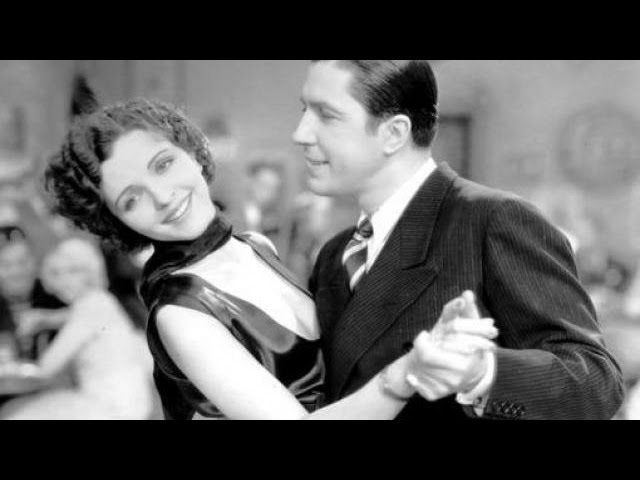
El día que me quieras was composed in 1935 by Carlos Gardel with lyrics by Alfredo Le Pera.
With its romantic melody that beautifully extols passionate love, it is a masterpiece of tango canción.
The song gained worldwide popularity after being performed in the film of the same name, El día que me quieras.
The record, recorded in New York in March 1935, spread across the seas and was inducted into the Latin Grammy Hall of Fame in 2001.
It has been covered by numerous singers across genres, so even those unfamiliar with tango will be captivated.
It remains a beloved, timeless standard.
Per ViralBajofondo

This track showcases Bajofondo’s signature style, reimagining Argentinian and Uruguayan traditions through electronic soundscapes.
The sharp tone of the bandoneon fuses with a driving dance beat, delivering a breathtaking buildup that instantly lifts the listener.
Featuring guest bandoneon virtuoso Ryota Komatsu—one of Japan’s foremost players—the performance strikes a compelling balance between reverence for tradition and forward-looking innovation.
Included on the album Mar Dulce, released in August 2007, the piece gained attention as the theme song for the Brazilian drama A Favorita.
It’s a must-hear for anyone who wants to savor the melancholy of tango alongside a modern, urban sonic palette.