

Recommended for men in their 30s: Karaoke songs that were a hit back in the day


For men in their 30s, you’re likely starting to take on more responsibility at work, and even if you don’t actually like singing that much, you may be finding more occasions where you have to go to karaoke for work-related socializing.
In this feature, we’ve put together a selection of easy-to-sing songs recommended for men in their 30s who aren’t usually that keen on singing.
It should also be helpful for those who think, “I actually like singing, but I’m not good at it…,” and end up hesitating to sing at karaoke and the like.
Some of the individual song articles include brief tips and advice on how to sing them well, so please make good use of this piece.
- [For men in their 30s] Must-play karaoke hits that always get the crowd going
- Karaoke songs recommended for men with low voices or who are good at singing in a low register
- Recommended Japanese pop songs for karaoke for men in their 30s
- Even karaoke beginners can relax! Easy-to-sing songs for men
- Here are foolproof picks! Flirt-worthy karaoke songs recommended for men in their 30s
- For men in their 30s: Nostalgic music. Recommended popular songs
- Karaoke songs where even men with low voices can aim for high scores
- Even if you’re tone-deaf, it’s okay! Easy karaoke songs for men in their 40s
- [Anime Songs] Anime tracks recommended for men in their 30s to sing at karaoke
- Must-see for men: Songs that look cool if you can sing them at karaoke—numbers that women can’t help but be captivated by.
- [For Men] What Karaoke Songs Make It Easy to Score 100? A Curated List of Easy-to-Sing Tracks
- [For Men] This song is perfect for hyping up the crowd at karaoke!
- Karaoke songs for men in their 40s: a curated selection of hit tracks women want to hear!
[Recommended for men in their 30s] Karaoke songs that were hits back then (31–40)
Sunrise Japanarashi
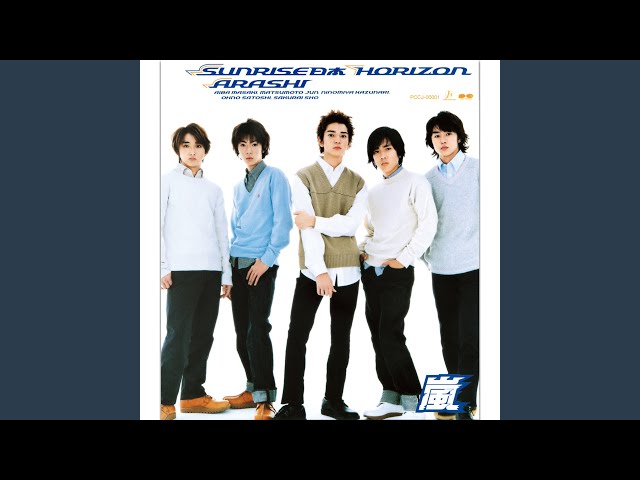
This upbeat song by Arashi, who are hugely active on television and popular across a wide range of generations, is sure to lift your spirits.
The melody is simple and there are many rap sections, making it easy to sing even for those who struggle with pitch, and its danceable track makes it easy to sing while dancing as well.
One more time,One more chanceYamazaki Masayoshi

Masayoshi Yamazaki’s masterpiece “One more time, One more chance,” still beloved by many listeners today.
Since it enjoyed a long-running hit, it’s a song that people both 39 and 30 years old are likely to know.
Its melody, imbued with a sense of poignancy, is striking.
While the emotive vocals might make it seem difficult, it is actually a song with a narrow vocal range and doesn’t depend on the singer’s vocal timbre.
Plus, there’s no need to belt it out, making it a great recommendation for those who want to sing it smoothly and lightly.

True LoveFujii Fumiya

This was Fumiya Fujii’s second single as a solo artist, released on November 10, 1993.
It’s said to be the first song he composed himself, and it’s crafted into a gentle ballad with a very pleasant acoustic sound.
It was used as the theme song for Fuji TV’s Monday 9 p.m.
drama “Asunaro Hakusho,” and became a massive hit, selling over a million copies.
The vocal melody is very easy to hum along to, so I think it’s a song anyone can sing comfortably if you pick it casually for karaoke.
Try to focus on producing a resonant, rich tone and sing it gently all the way through.

A Little Love SongMONGOL800

It’s a song by MONGOL800 included on their album “MESSAGE,” released on September 16, 2001.
It’s one of their signature tracks, and it’s surprising that it has never been released as a single! The song itself is a very simple and straightforward rock tune, so it should be really easy for anyone to sing.
The chorus part isn’t complicated at all, so I think it would be fun to harmonize with friends at karaoke! Just make sure to project your voice strongly when you sing!
cherrysupittsu

This is Spitz’s 13th single, released in April 1996.
It came out during the heyday of 1990s J-pop and sold over 1.6 million copies.
With a slightly bouncy groove and a comfortable mid-tempo feel, it’s a light, catchy pop-rock tune that I think is relatively easy to sing even for people who don’t usually sing much.
Since it was a massive hit, most people have probably heard it at least a little, which also makes it feel familiar.
That said, vocalist Kusano’s voice is very clear and transparent, and to make the most of that, the song’s key is set a bit on the high side—so please be careful when choosing your key!
Recommended for men in their 30s: Karaoke hits that fired up the crowd back then (41–50)
greenCHEHON

“Midori” by CHEHON, known as an anthem of herb-themed reggae.
At first it sounds like he’s whispering sweet words to a woman, but in fact it’s a song about a man who loves herb, set to a warm, gentle reggae melody.
Since it’s performed by a deejay, the vocal line is relatively easy, with a modest range.
The rhythm makes it easy to feel reggae’s characteristic off-beat on the 2 and 4 counts.
It’s also a well-known track, so be sure to check it out.
A third of pure-hearted feelingsSIAM SHADE

Although they disbanded once in 2002, SHIAM SHADE has captivated fans with several temporary reunions.
This signature song of theirs is widely known as the ending theme for the TV anime Rurouni Kenshin: Meiji Swordsman Romantic Story.
Its structure is very straightforward: the chorus comes first, followed by verse A and verse B, building excitement.
The beginning of verse A hits the song’s lowest note, D#3, which might be a bit low even for male singers.
Be careful not to let your voice get muffled in this part.
Another challenging aspect of the song is the rhythm.
In the chorus, if you sing it in a typical 4/4 feel, it won’t lock in with the backing drums and will sound flat.
Try singing it with a driving triplet feel instead—you’ll sound much cooler! It may be difficult until you get used to it, but definitely give it a try.
