

Trivia about Tokyo: A collection of fun facts useful for sightseeing

Tokyo, the capital of Japan, is full of sightseeing spots and famous foods, isn’t it?
There are all sorts of fun facts about Tokyo’s highlights!
In this article, we’ll introduce a wide range of Tokyo trivia, from the well-known to the lesser-known.
You’ll find everything from tidbits you’ll want to share with someone to information that’s useful for sightseeing.
As you read, have fun counting how many of these fun facts you already knew.
- [For Elementary School Students] A Roundup of Local Quizzes About Tokyo
- How many do you know? Trivia quiz about Tokyo Disneyland, including hidden secrets.
- A quiz of fun trivia: bite-sized knowledge that leads to new insights.
- [Tokyo Tower] Trivia Quiz & Fun Facts! For Seniors
- [Tokyo Local Quiz] Introducing three-choice questions for seniors!
- [Great for speeches] Trivia and fun-fact quizzes recommended for morning assemblies
- So interesting you’ll want to tell someone! December Trivia & Fun Facts Special
- Trivia & fun facts about Osaka Prefecture
- Didn't want to know?! Fascinating and scary trivia & fun facts
- [For Kids] November Trivia Quiz & Fun Facts: Let’s Learn While Having Fun!
- English will become more fun! A collection of trivia and fun facts about the English language.
- Fun facts you’ll want to share! A roundup of October trivia and tidbits
- Tokyo Song List: Classic Songs About Tokyo
Tokyo trivia: A roundup of fun facts useful for sightseeing (1–10)
In Edomae-style sushi, vinegared rice made with red vinegar is the standard.
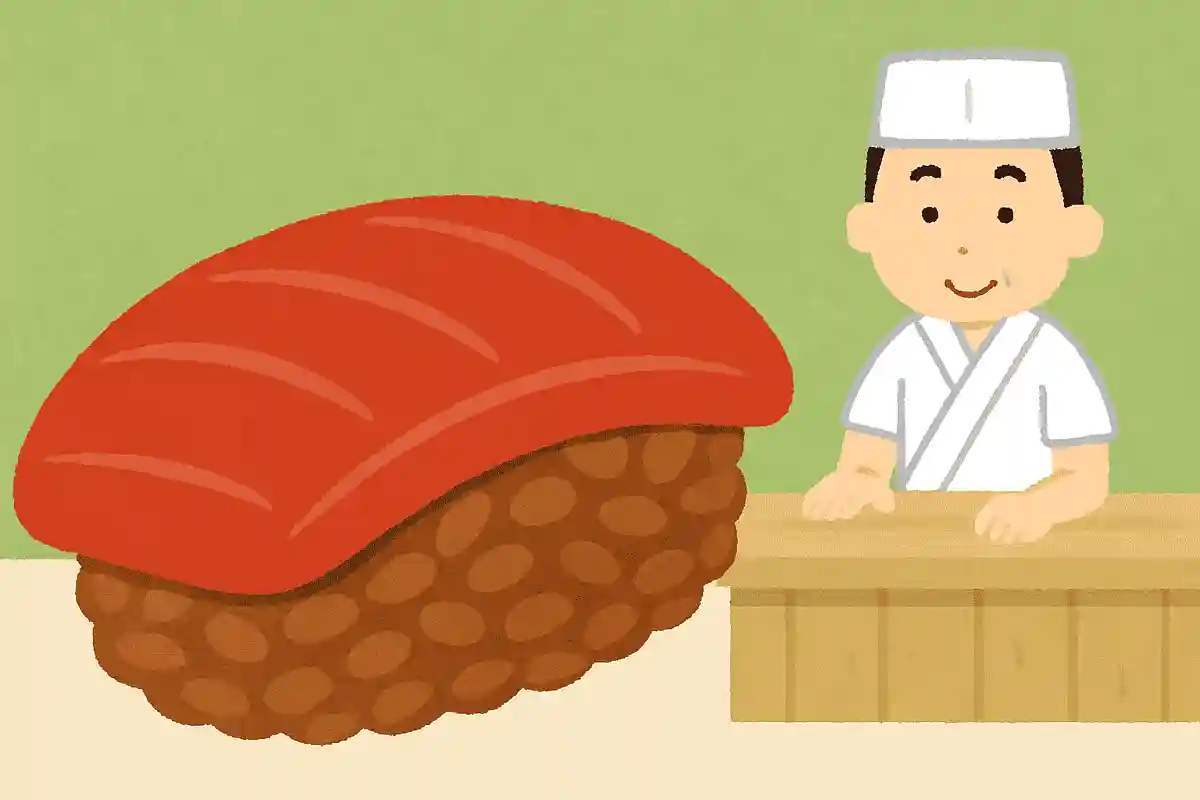
The rice for most sushi is white, but in Edo-style sushi, red rice (akazuke/akazushi rice) is the standard.
“Shari” refers to the vinegared rice used for sushi, but why is it red in Tokyo? In the Edo period, sushi was popular in Edo (now Tokyo).
Around the same time, sake brewers in Aichi Prefecture succeeded in producing red vinegar, which then spread.
It became known that the red vinegar paired well with the fashionable Edo sushi, helping it gain popularity.
Another reason it was embraced by sushi chefs was that red vinegar could be made without using sugar, which was precious at the time.
For a while, few sushi restaurants served red shari, but in recent years the value of red vinegar has been reevaluated worldwide.

Sensō-ji began when a Buddhist statue caught in a fishing net was enshrined.
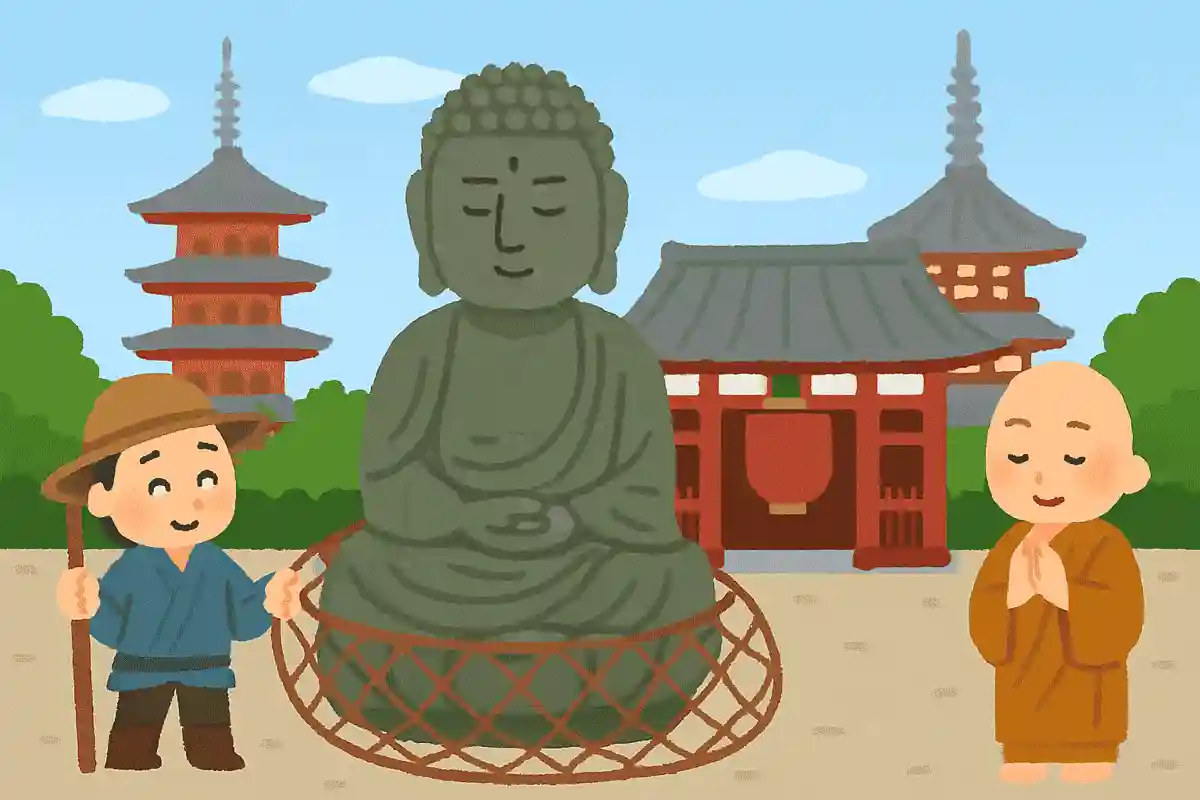
Senso-ji in Asakusa, which is also very popular among overseas visitors, is one of Japan’s most iconic sightseeing spots.
Did you know that it actually began with the enshrinement of a Buddhist statue that was caught in a fishing net? During the Asuka period, two brothers who made their living by fishing found a small figure caught in their net.
Not realizing it was a Buddhist statue, they threw it back into the sea, but no matter how many times they cast their net, the same figure was all they would catch.
Finding this strange, the brothers brought it to a local notable.
Recognizing it as a Buddhist statue, he enshrined it and even converted his home into a temple to offer worship and memorial services.
That temple is said to be the origin of Senso-ji.
The Tokyo Skytree is being used for various kinds of research.
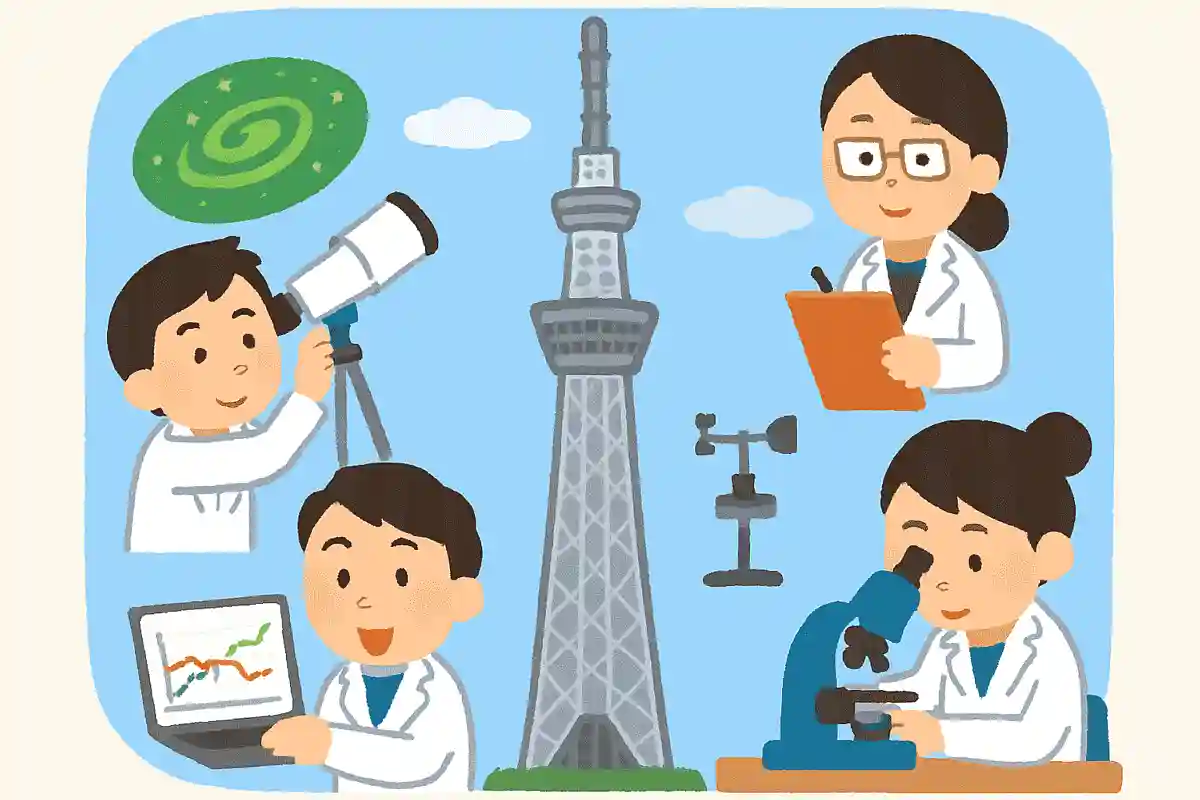
Tokyo Skytree, recognized by Guinness as the world’s tallest freestanding broadcasting tower, is used for much more than transmitting signals and serving as a tourist attraction.
Did you know it also contributes to a wide range of research? Standing at an impressive 634 meters, its remarkable height makes it an ideal site for various studies and observations conducted by research institutions.
These have included lightning observations and measurements of how the passage of time differs with altitude.
Some of the research carried out there is said to be rare even on a global scale.
Events are sometimes held to showcase research results from the Skytree at the observation deck.
Tokyo trivia: A roundup of useful tidbits for sightseeing (11–20)
Tokyo has more than 900 named slopes.
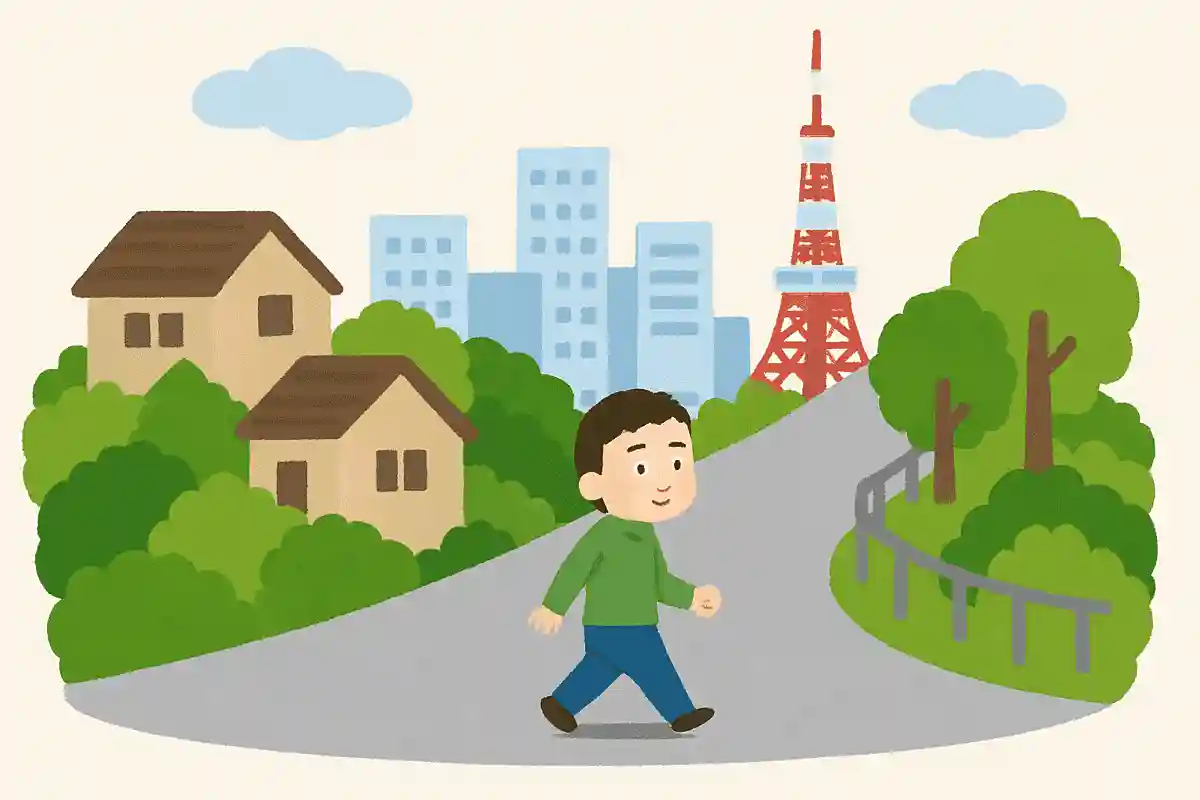
Tokyo is also famous for its many hills.
Hills have various names, and many of them were given during the Edo period.
Today, there are over 900 named slopes.
The ward with the most named hills in the city is Minato, with 130.
The names were given by local residents to make them easier to identify.
However, it seems that the same hill names ended up being used in multiple places.
For example, many hills in spots where Mount Fuji could be seen were named Fujimizaka, meaning “Fuji-view slope.” Even in places where Mount Fuji can no longer be seen today, people back then could probably admire its beautiful view from the tops of those hills.
Tokyo Metropolis has Japan’s only desert.

Izu Oshima lies in the Pacific Ocean and belongs to Tokyo.
Unlike the skyscraper-filled metropolis, it’s an island overflowing with nature—even though it’s part of Tokyo.
At the center of Izu Oshima stands Mount Mihara, and to the east stretches a desert where the ground is covered with volcanic rock.
This desert, known as the Urasabaku (Back Desert), is the only place in Japan labeled as a “desert” on maps published by the Geospatial Information Authority of Japan.
It’s surprising to think there’s a desert in Japan, isn’t it? Repeated eruptions of Mount Mihara have sent lava across the land, scorching the earth and vegetation and turning the landscape into a world of black.
Even after the eruptions, the area is so windswept that plants struggle to grow, leaving a desert-like expanse as far as the eye can see.
At the National Museum of Nature and Science in Ueno, the taxidermied body of Hachiko, the faithful dog, is on display.
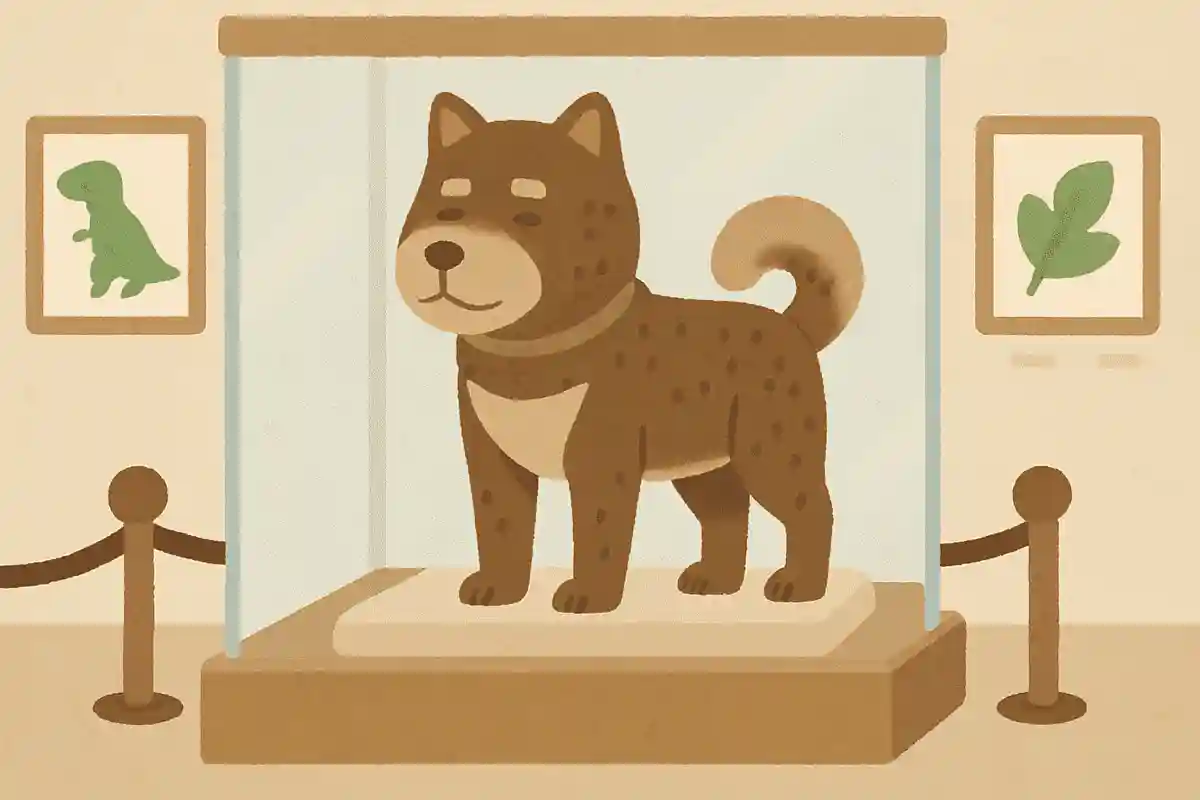
Hachiko, the faithful dog whose statue is a popular meeting spot at Shibuya Station.
His owner, a university professor and dog lover, used to go to Shibuya Station with Hachi on his way to the university.
It’s said that Hachi would wait at the station for his owner’s return.
The story is well known that after his owner passed away, Hachi continued to go to Shibuya Station and wait for him for about nine years.
Hachiko, who became a symbol of loyalty, was taxidermied and is on display at the National Museum in Ueno.
He is in the section that exhibits animals closely connected to the Japanese people.
Since Hachi was an Akita dog, he is also considered valuable as a breed.
The deepest subway station in Japan is Roppongi Station on the Oedo Line.
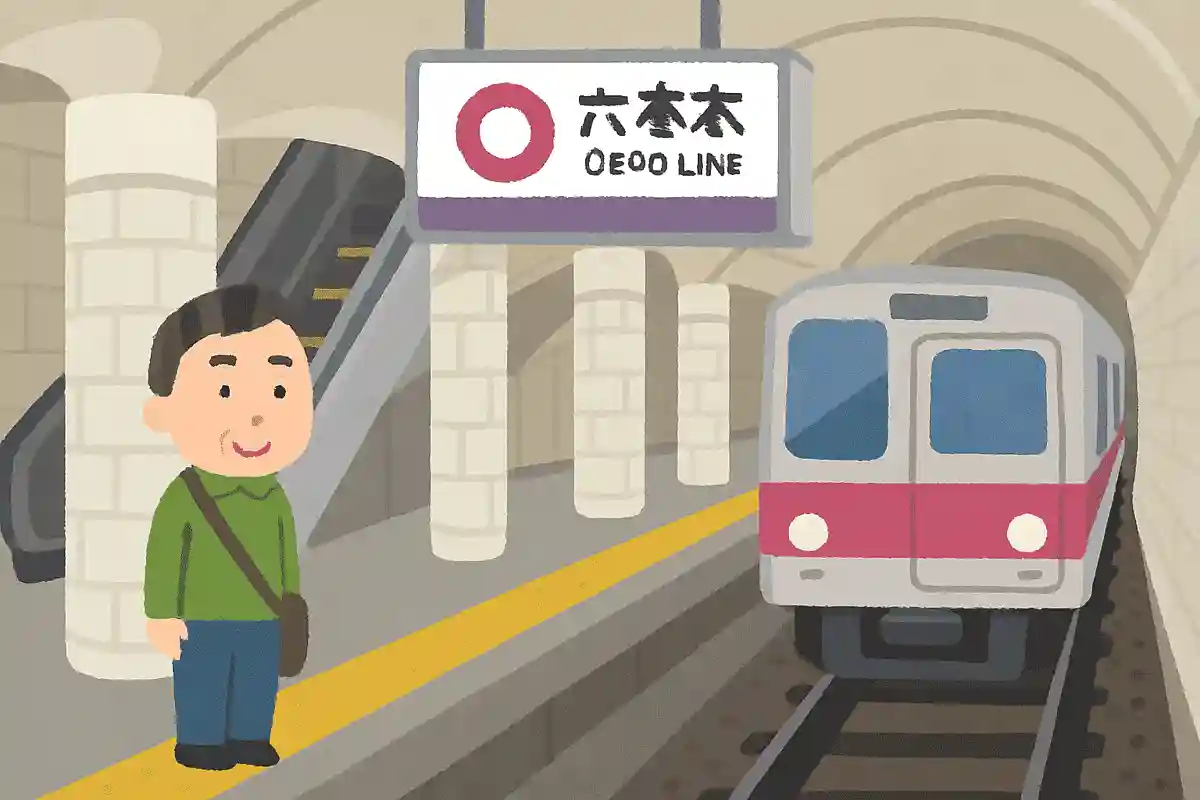
Among the subway stations in Tokyo, the deepest one is Roppongi Station on the Oedo Line.
The deepest part of its platform is 42.3 meters below ground, so you have to go up multiple escalators and stairs to reach the surface.
In general, the earlier a subway line or station was built, the closer it is to the surface.
Since the Oedo Line is a newer line that opened in 2000, it ended up being constructed deep underground.