


The clever wordplay known as “tonchi,” familiar from the anime Ikkyu-san.
Ikkyu solves problems that look like riddles one after another with quick wit, doesn’t he?
Originally, “tonchi” refers to the ability to use your smarts on the spot to suit the situation.
We’re going to present tonchi quizzes that you solve using that same kind of wit, just like Ikkyu!
The answers are all ones that will make you say, “I see!” without thinking.
They’re easy to enjoy like riddles, so please have fun with them together—from kids to adults!
- [Trick Quiz] Quiz Questions That Excite Everyone from Kids to Adults
- [Battle of Wits] Stimulate your intellectual curiosity! Quiz questions that get adults excited
- Easy Riddles for Elementary School Students
- [Brain Training] Difficult Riddles That Even Adults Struggle With
- Fun quizzes for elementary school kids: a collection of questions everyone can enjoy together
- [For Seniors] Recommended and Exciting! Brain-Teaser Quiz Collection
- Interesting riddles: a collection of simple and fun questions
- A collection of challenging quizzes for adults [Difficult]
- Mental Workout: Casual Challenge! Riddles for Adults
- [Challenging and Fun!] Quizzes & Riddles for Adults
- Do you get tripped up too? A fun roundup of 10-time quiz questions
- Let's get excited with a two-choice quiz that everyone—from kids to adults—can enjoy!
- [Simple Riddles] A curated selection of fun questions that will excite everyone from kids to adults!
Fun Brain Teasers for Everyone—Kids and Adults Alike! (1–10)
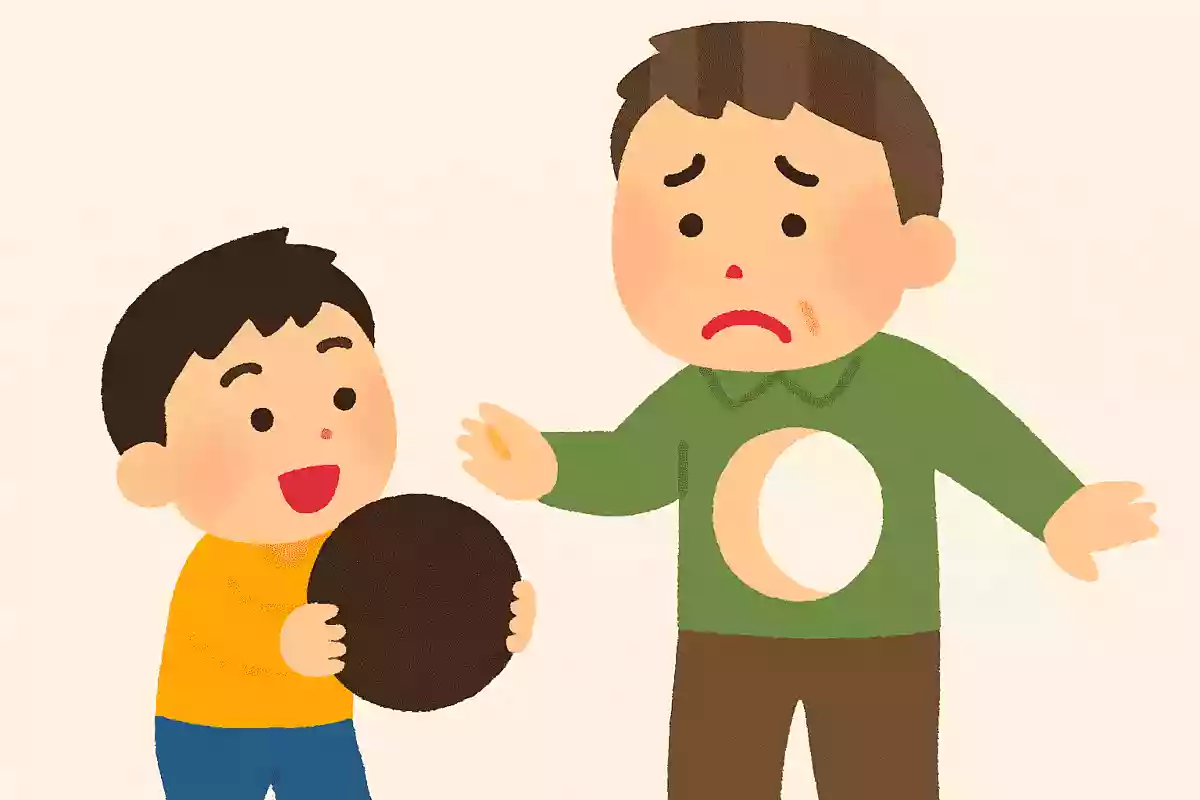
What do you get if you remove the circle (maru) from “papa?”
See the answer
Haha
What is the “◯” in papa? Finding it quickly will lead you to the answer. In this quiz, papa’s “◯” is the handakuten (the small circle) attached to the character in the word for papa. If you remove it, the sound is no longer voiced, turning “papa” (パパ) into “hahaha” (ハハ), revealing “mother” (母).

What is something that a younger brother has two of, but a younger sister has only one of?
See the answer
and
If you convert the kanji for “弟” (younger brother) and “妹” (younger sister) into hiragana, you get “おとうと” and “いもうと.” Then you’ll notice that “おとうと” has two “と” while “いもうと” has only one. From that, the answer to what the younger brother has two of is “と.”
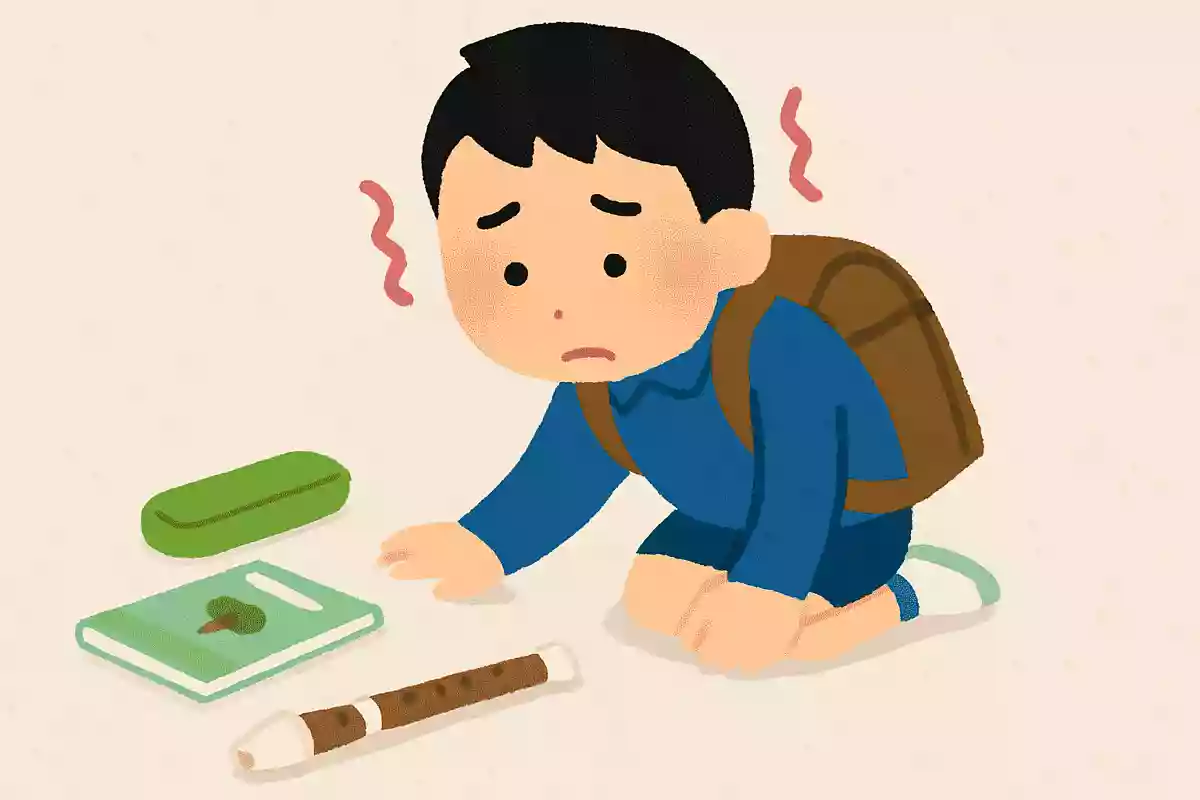
Inside Ichiro’s bag are a pencil case, a textbook, and a recorder; which of these did he drop?
See the answer
recorder
In this quiz, the key point is that the word “落とした” is written in hiragana. From there, you shift the idea by converting “おとした” to “音した” (“made a sound”). This reveals that the answer should be something that makes a sound, so the answer is a recorder.
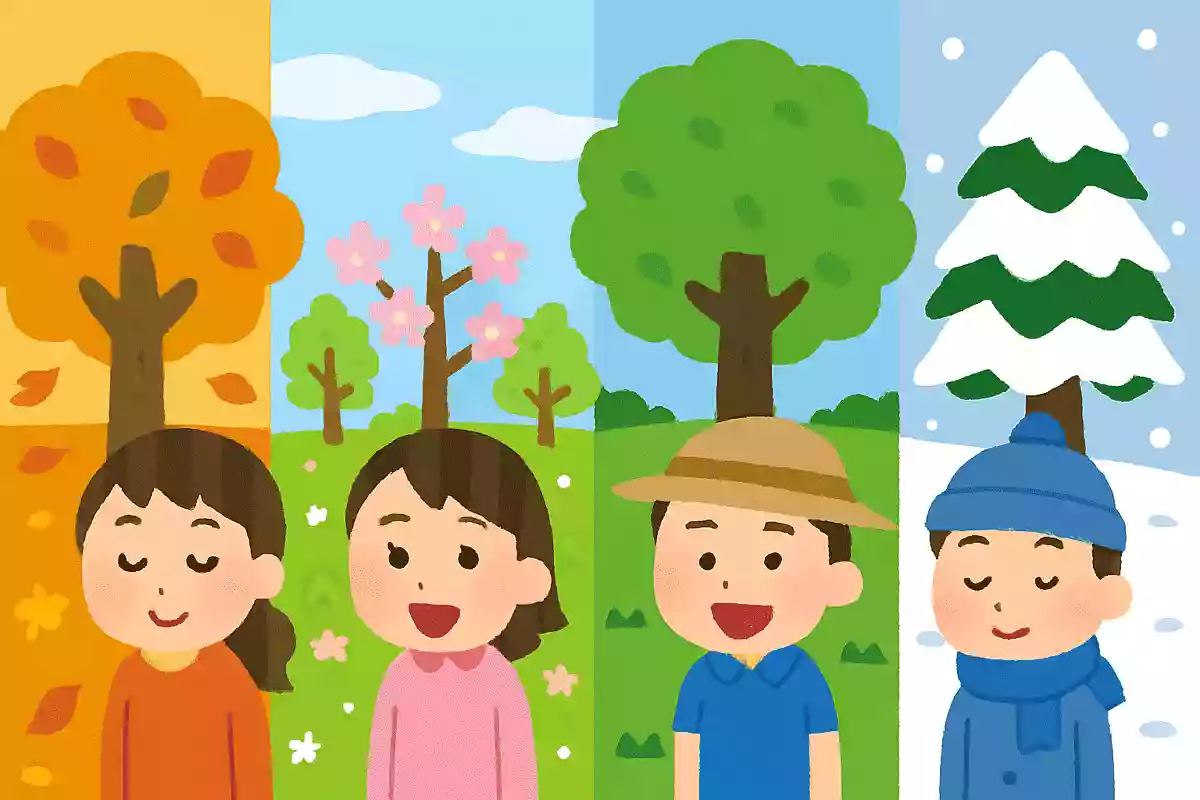
Where is it that the seasons are arranged in the order: autumn → spring → summer → winter?
See the answer
English-Japanese dictionary
An English-Japanese dictionary lists words in ABC order. When the seasons are rendered in English—spring as “Spring,” summer as “Summer,” autumn as “Fall,” and winter as “Winter”—rearranging them to match the sentence in the problem results in the same order as they would appear in the dictionary.
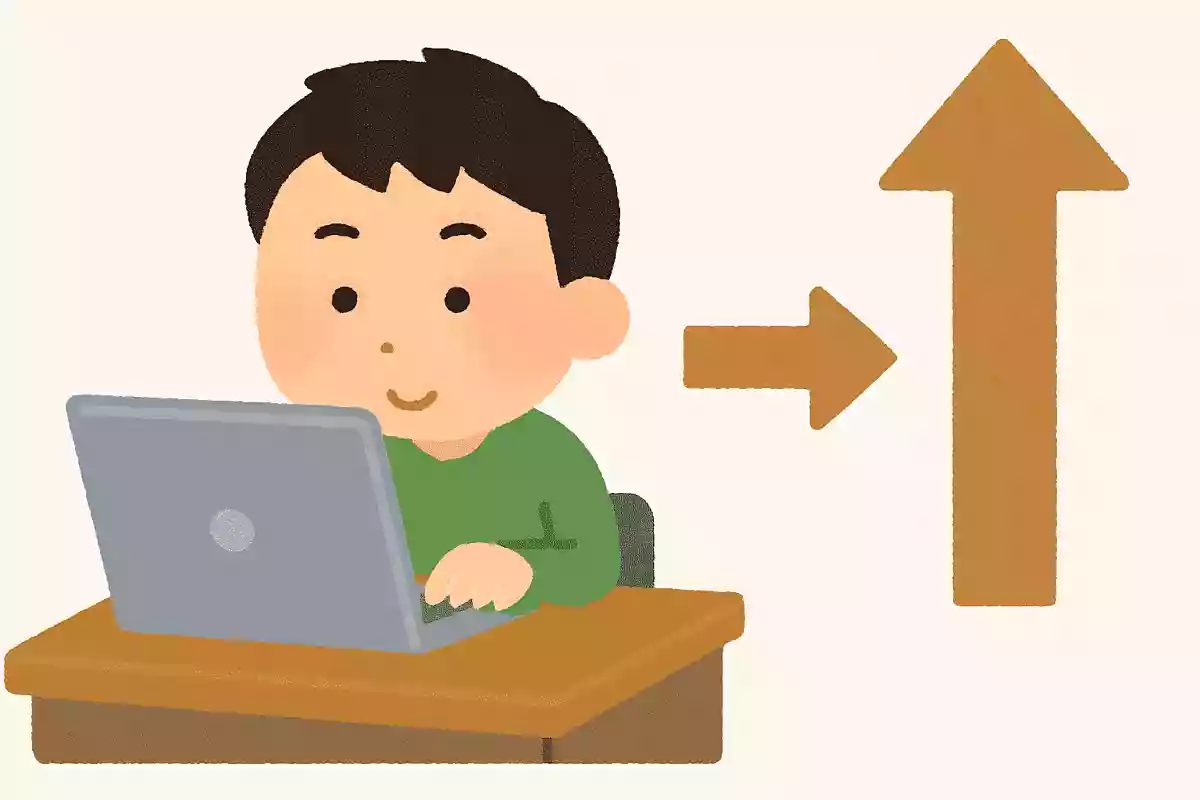
What is something that moves to the side when a number increases by one, and moves up when it increases by 100?
See the answer
condominium apartments, hotel rooms, and hospital rooms
In apartment buildings, hotels, and hospital rooms, the room number increases by one as you move to the next room. And each time you go up one floor, the room number increases by 100. The key is to broaden your perspective and think about what kinds of things fit the numerical rule described in the problem.
What is something that is closed when you pass through it, but open when you don’t?
See the answer
railroad crossing
At a railroad crossing, the barrier goes down when a train passes and is up when no train is passing. By identifying what passes through and what opens and closes—combining these two—you can arrive at the answer: “railroad crossing.”
What genre of book is ‘Shosusetsu’?
See the answer
detective novel
Because the character for vinegar, 酢 (read as “su”), is inserted between the characters for 'novel' 小 and 説, the answer is 'detective novel' (推理小説). You can also substitute other kanji that are read as 'su' in the same way, so it might be fun to present it like this when quizzing friends.