

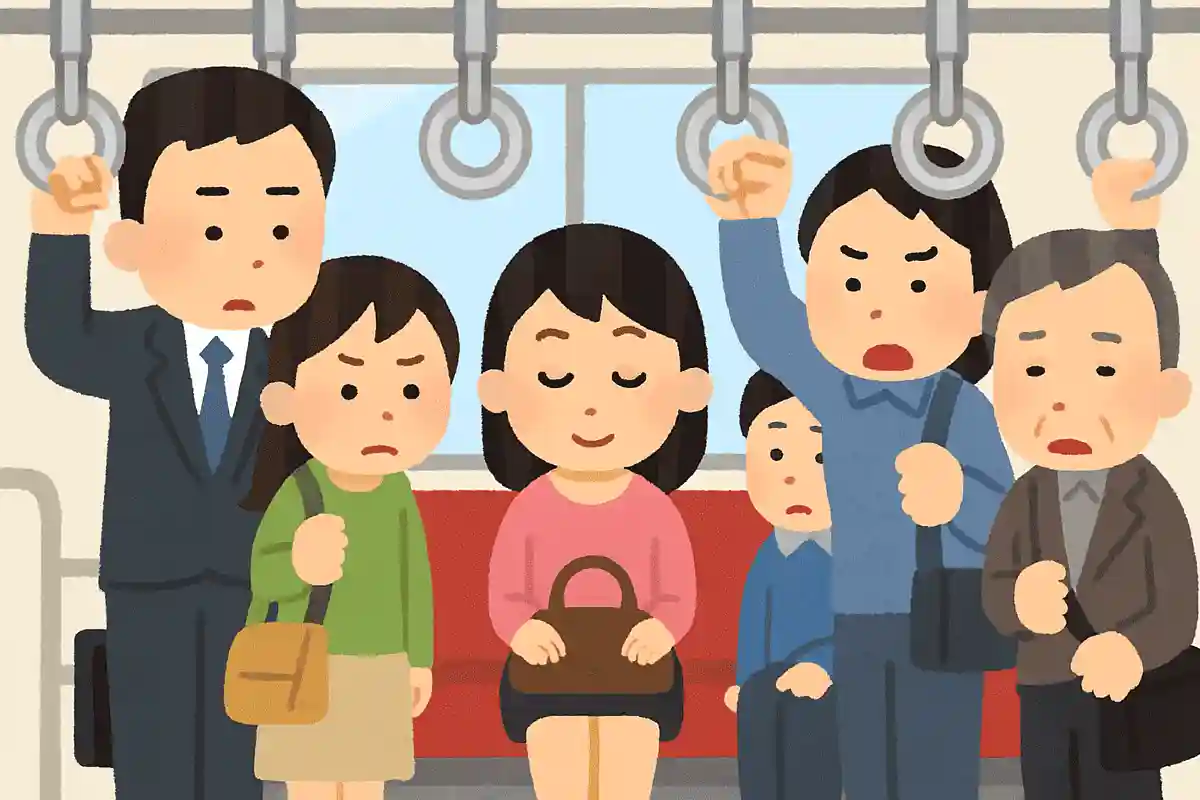

You’re visiting a grave with a candle and incense, but there’s only one match.
Which do you light first? Can you get this one right? The simpler a question seems at first glance, the more likely it hides a linguistic trap.
Trick common-sense quizzes shake up fixed ideas and put your mental flexibility to the test.
In this article, we’ve gathered a rich collection of common-sense quiz questions packed with gotchas—the kind that make you blurt out, “They got me!” Enjoy sharing them with friends and family to liven things up, or tackle them solo at your own pace.
Treat your brain to some pleasantly stimulating time!
- [Interesting] Collection of Matchstick Quiz Problems
- A quiz that seems easy but is actually hard: trick questions that make you think flexibly
- [Trick Quiz] Quiz Questions That Excite Everyone from Kids to Adults
- The world’s hardest!? Trick questions. How many can you answer correctly?
- [Logic Quiz] Flexible Thinking and Creativity Are Key! From Classics to Tough Challenges, All in One Go
- Hard to get right on the first try! A quiz you’re guaranteed to get tripped up by.
- [For Elementary School Students] Great for Brain Training! Try These Addictive Matchstick Puzzles
- So tricky you’ll be fooled! A collection of trick riddles that both adults and kids can enjoy.
- Take on the challenge like a puzzle! A collection of logic quizzes that also work as brain teasers.
- Fun for adults too! Trick questions for elementary school kids
- True-or-false quiz for adults: a full roundup from common-sense questions to surprising trivia!
- A lateral thinking quiz that tests your flashes of inspiration. Problems that make you stop and think.
- Also great for brain training! A flash of intuition is the key to solving these insight quizzes.
A set of trick common-sense quizzes that catch you off guard. A collection of deceptive questions with satisfying answers (1–10)
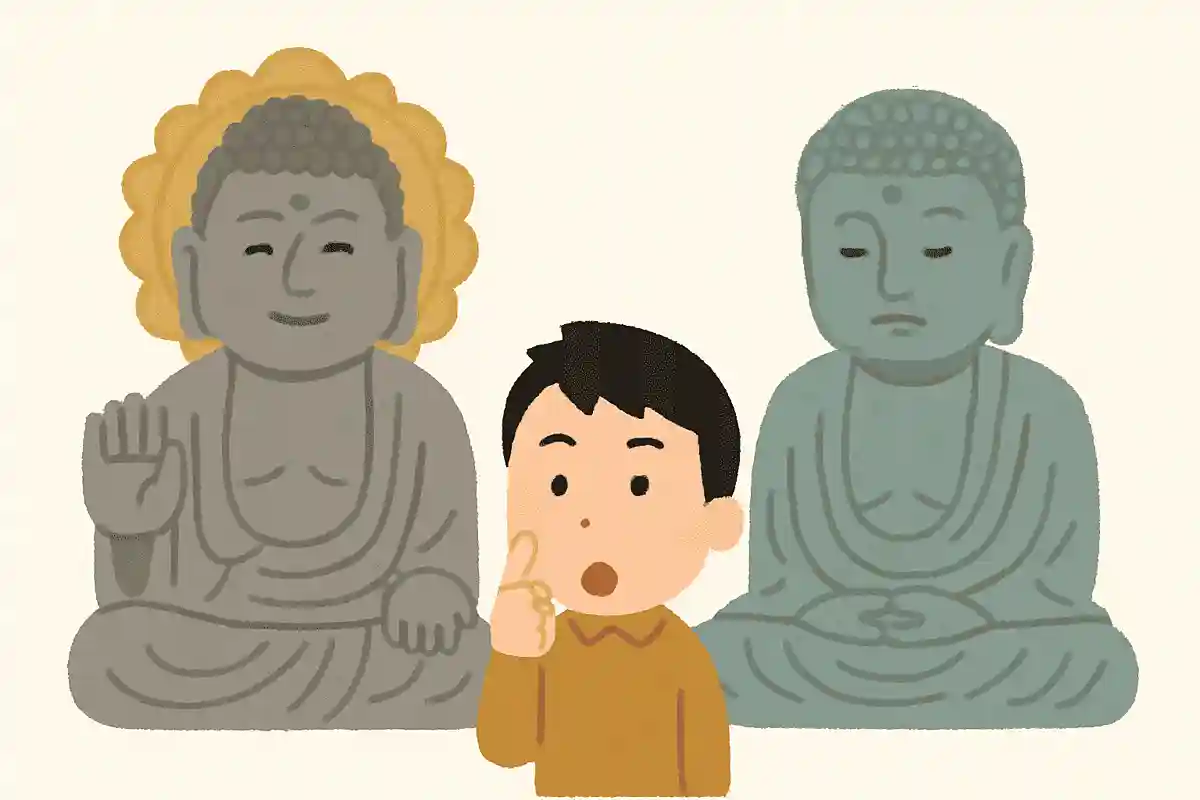
Which was erected first, the Great Buddha of Nara or the Great Buddha of Kamakura?
See the answer
Neither of them is standing.
Both the Great Buddha of Nara and the Great Buddha of Kamakura are seated statues, posed in meditation, so they have never “stood.” It’s a quiz that trips you up if you don’t realize it’s a trick question about posture rather than about when the buildings or statues were completed.

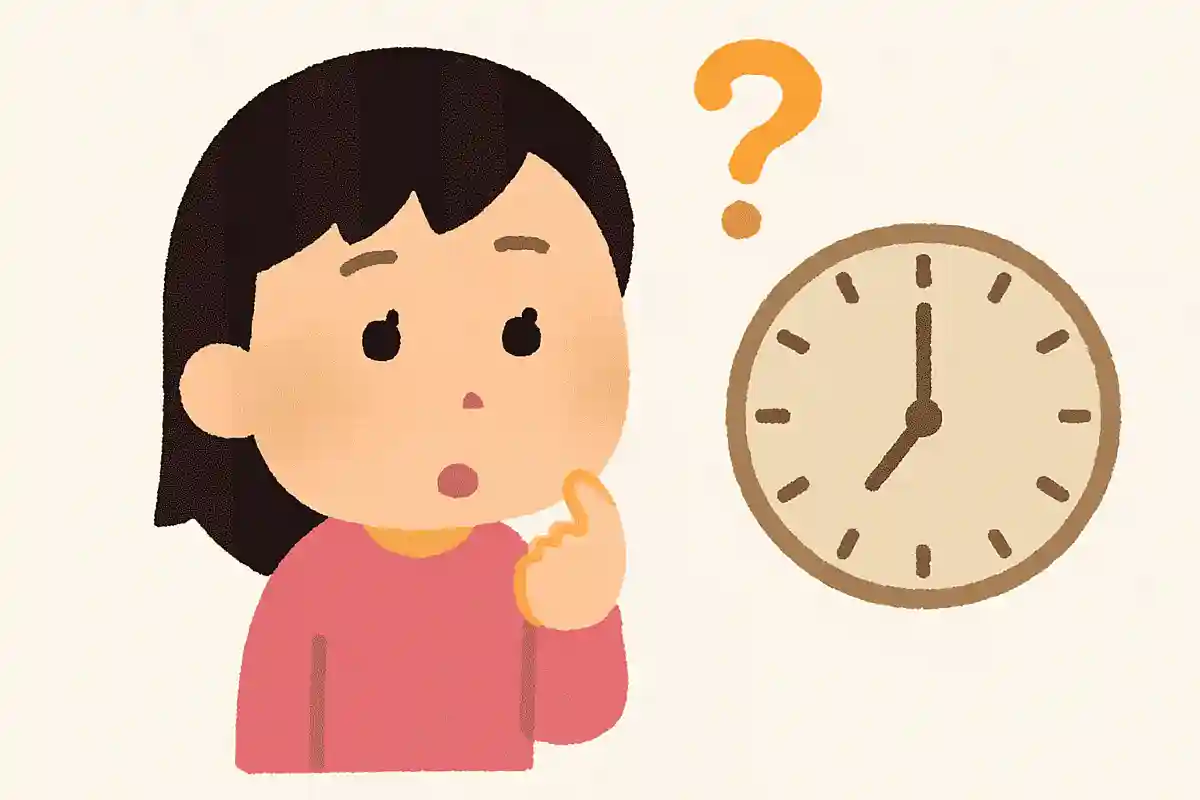
What time is it now?
See the answer
Translation
This question isn’t asking for the current time; it’s a classic trick quiz that uses a wordplay. You need to interpret “nanji” in the prompt “Ima, nanji?” not as the time, but as the number of characters. Therefore, the correct answer is two characters. The key is to reinterpret the meaning of the words with flexible thinking instead of judging only by how they sound.
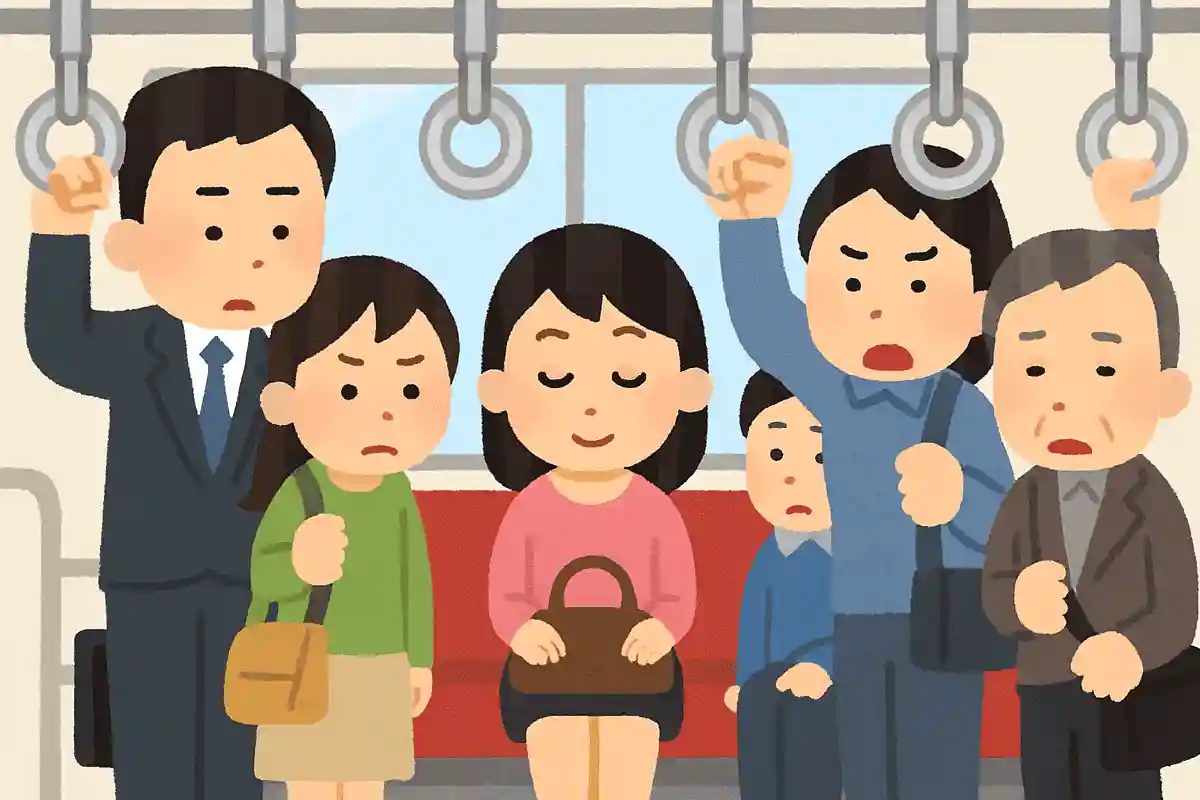
Who are the people who can get a seat every day even on a packed train?
See the answer
conductor
Even on a packed train, the people who can always get a seat are the crew involved in operating the train—in other words, the conductors. They’re not riding as passengers; they’re on duty in a dedicated crew compartment, so they can sit in designated seats regardless of how crowded the train is.
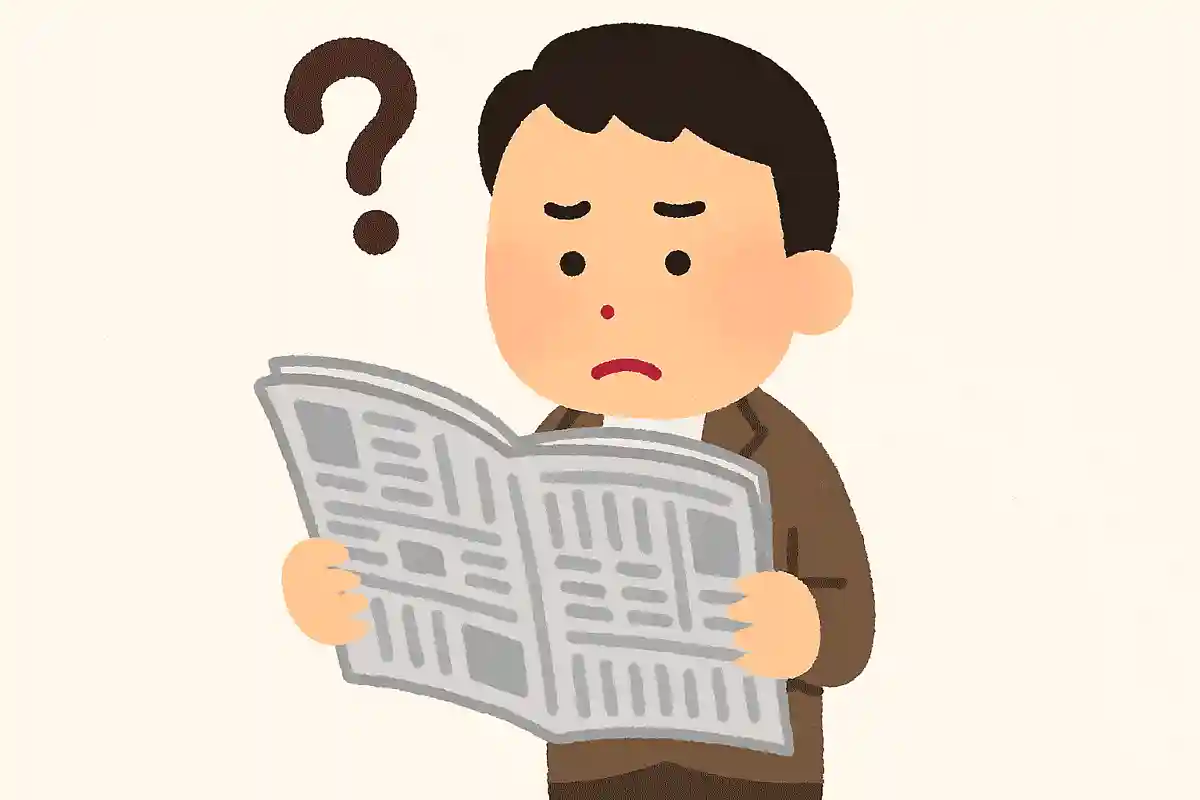
What happens if you turn a newspaper upside down?
See the answer
Hard to read.
When someone says “Turn the newspaper upside down,” it’s the kind of trick question that makes you want to answer, “It still reads ‘shinbunshi’ even from the other end.” But turning a newspaper upside down doesn’t change the nature of the paper itself or its contents. It simply flips the orientation of the characters, making it harder for us humans to read—nothing more than a mischievous question.
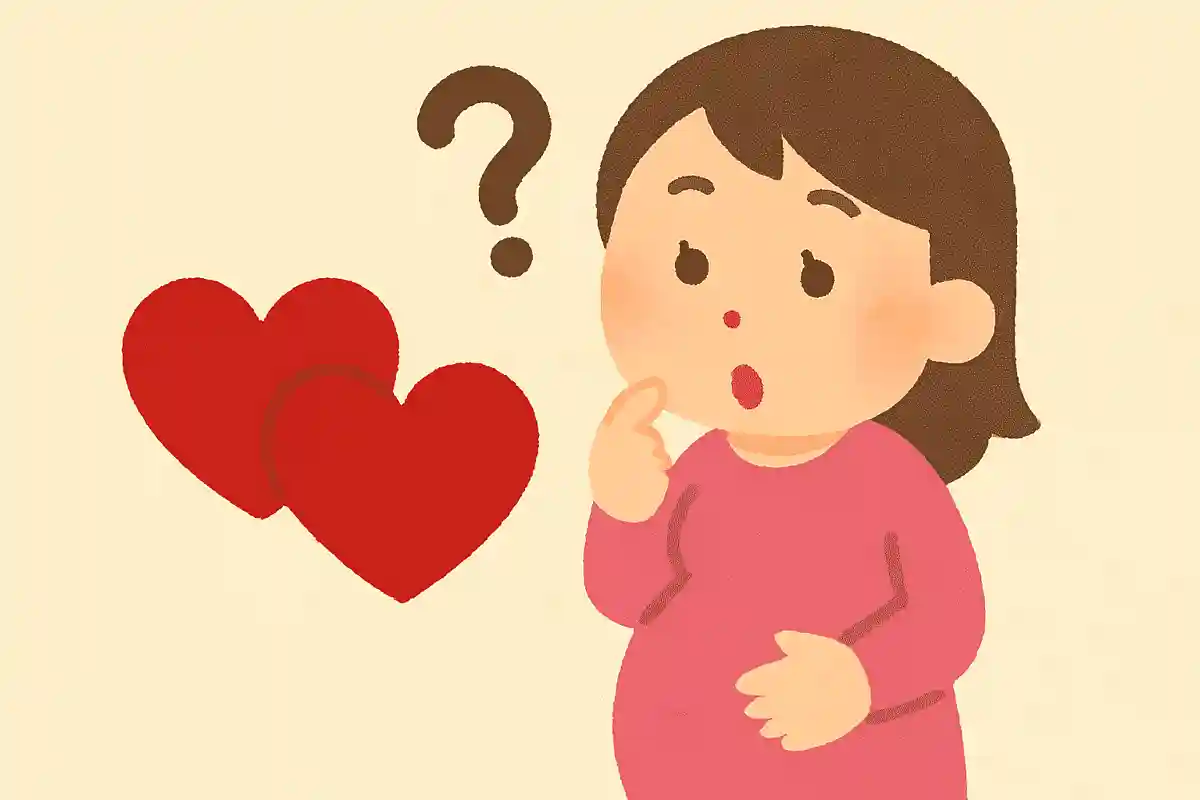
What kind of person has more than one heart?
See the answer
pregnant woman
Humans have only one heart, but a pregnant woman has a baby in her belly. If you combine the baby’s heart with the mother’s own heart, there are two or more hearts inside her body. If she’s pregnant with twins or triplets, then there would be three or more hearts. This wasn’t about special abilities or illnesses—it was a trick question about recognizing the “life in the womb.”
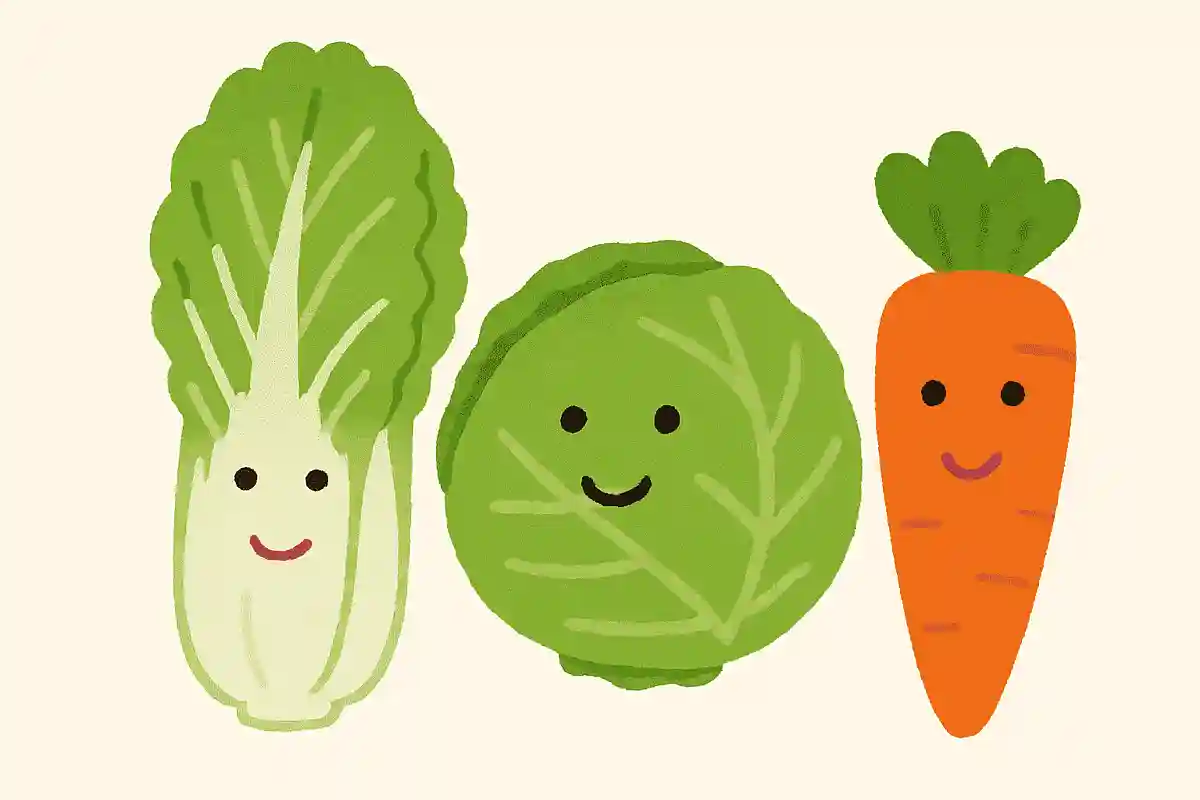
How old are Chinese cabbage, cabbage, and carrots together?
See the answer
vegetables
When someone asks “nansai?” I instinctively think of the age-related “何歳” and start trying to calculate a number, but the correct answer here is “yasai” (vegetables). Chinese cabbage, cabbage, and carrots are all tasty vegetables harvested from the field. It was a fun riddle that uses the sound of words and requires flexible thinking.
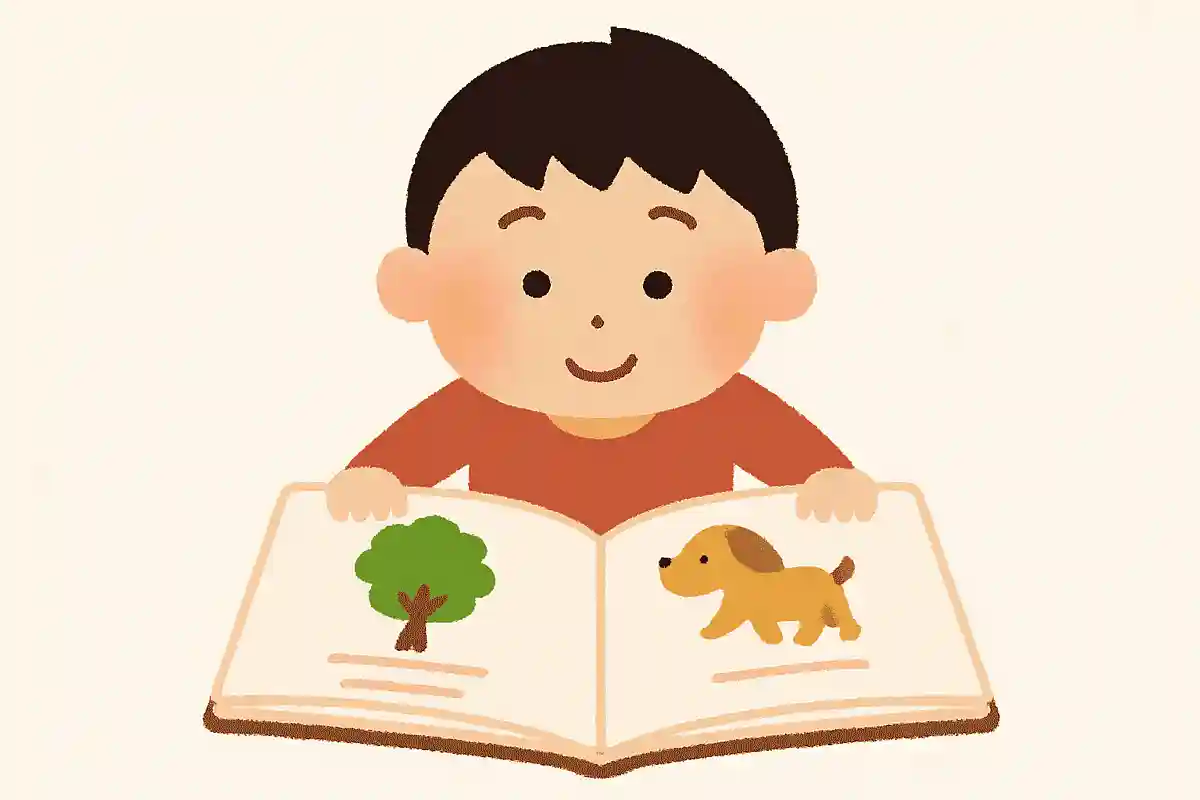
How many pages are there if you read the picture book to the last page?
See the answer
The end.
It’s a classic trick question that exploits the human tendency to want to answer with a specific number when asked, “How many pages?” But if you read a picture book all the way to the last page, you’ll often see the words “The End,” and when finishing reading aloud, people often say, “Okay, the end,” and close the book. I bet quite a few people got tripped up by this without realizing it.