

Useful right away in daily life! Surprising trivia and handy tips


We’re introducing handy general trivia and life hacks that will make your everyday life easier and more enjoyable just by knowing them! Do you ever run into small inconveniences in daily life or find yourself thinking, “I wish this were a little better”? This article will help solve those little hassles you feel! It’s packed with clever, useful tips that are great to know.
They’re all things you can try right away, so if something catches your eye, give it a go immediately!
- [Great for speeches] Trivia and fun-fact quizzes recommended for morning assemblies
- Trivia quiz with useful tips to know: fun facts that come in handy at school or at home [for kids]
- Trivia and fun facts about food (summary)
- Surprisingly unknown? Trivia Quiz [Multiple Choice: 3 Options]
- Didn't want to know?! Fascinating and scary trivia & fun facts
- A quiz of fun trivia: bite-sized knowledge that leads to new insights.
- [Interesting] Compilation of Trivia Quiz Questions
- Surprisingly unknown? A fun health trivia quiz that will make you want to try it
- Stimulate your intellectual curiosity! Fascinating trivia quizzes that you’ll want to share with others
- Fun facts you’ll want to share! January trivia and tidbits special
- So interesting you’ll want to tell someone! December Trivia & Fun Facts Special
- A compilation of unsettling trivia and fun facts about Earth
- Fun facts you’ll want to share! A special feature on November trivia and tidbits
Time-Saving Tips for Cleaning, Laundry, and Cooking (1–10)
Use spinach boiling water to remove stains from clothing.
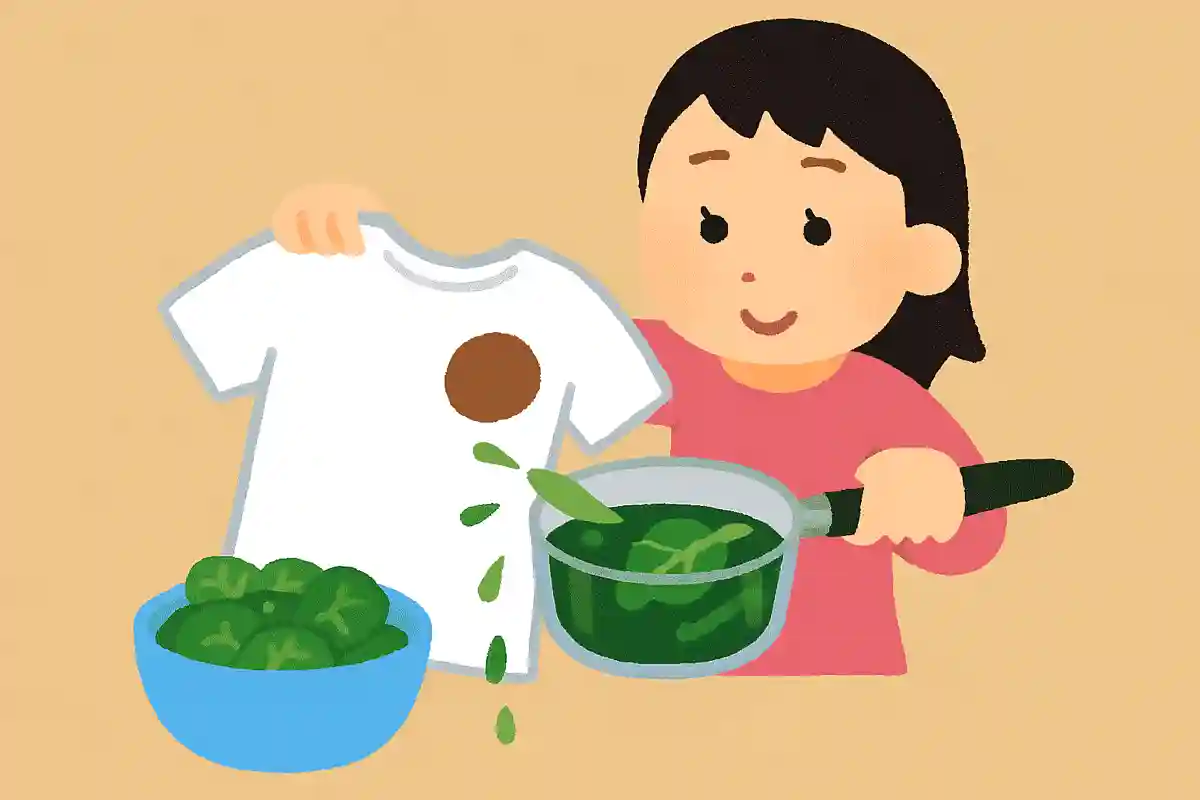
If a stain gets on your clothes and you don’t remove it properly, it will continue to stand out.
In such cases, we usually use a stain remover—but you can also use spinach boiling water as a substitute.
Spinach boiling water contains a lot of oxalic acid, the same component found in many stain removers, so it can help lift stains.
Reusing what would otherwise be discarded boiling water and avoiding extra detergents also makes this an eco-friendly option.
Note that it won’t work on every type of stain, so it’s best to identify what caused the stain and use it accordingly.

You can remove grease on your hands with sugar.
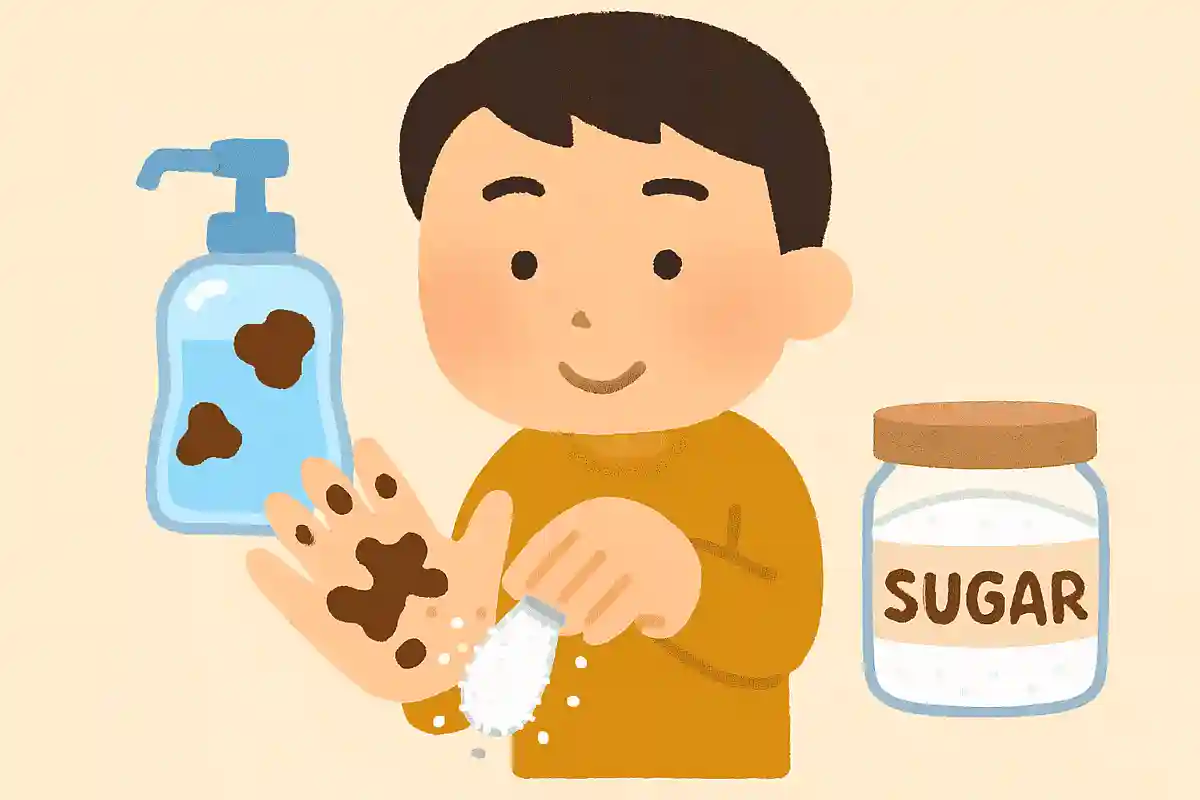
After handling raw meat while cooking, your hands can get coated with sticky grease.
Even with soap, that kind of oil can be hard to remove, but you can easily get it off by rubbing a small amount of sugar into your hands and rinsing with warm water.
This works because sugar crystals tend to adsorb oil, and it’s convenient since sugar is usually within reach while cooking.
Dish soap also removes grease, but using a cooking ingredient like sugar may feel gentler on your hands and the environment.
Tea stains in a water bottle can be removed with eggshells.
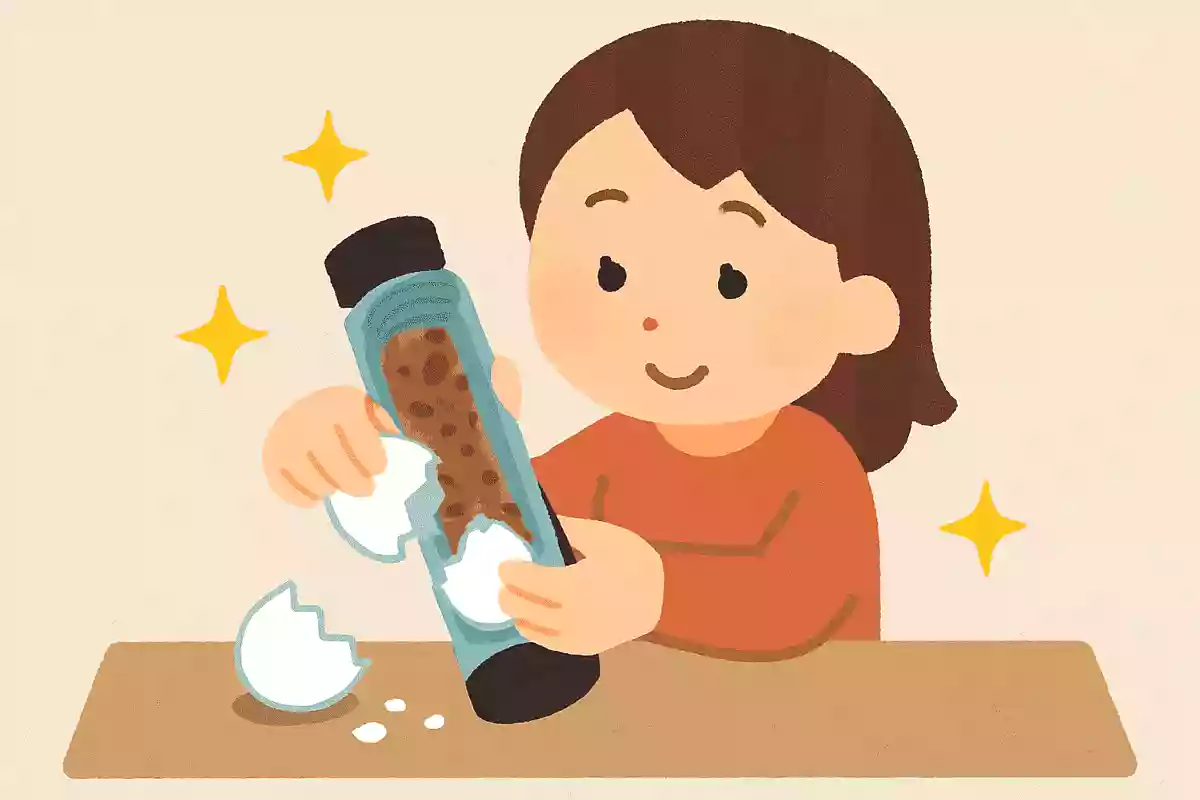
Here’s a handy tip for anyone who brings a water bottle to school or work.
If you fill your bottle with tea, stains can build up inside.
And washing something long and narrow like a bottle can be a hassle.
In that case, try using eggshells to clean it.
Here’s how: put some crushed eggshells and a small amount of hot water into the bottle.
Close the lid and shake it up and down for about one minute, then pour out the water and shells.
Finally, rinse with dish soap.
The eggshells act as a mild abrasive, and when heated in hot water they convert to calcium oxide.
It’s said that calcium oxide reacts with carbon dioxide to help bleach and lift the stains.

Time-Saving Tips for Cleaning, Laundry, and Cooking (11–20)
Clumped salt or sugar will become loose and free-flowing if you warm it in the microwave.
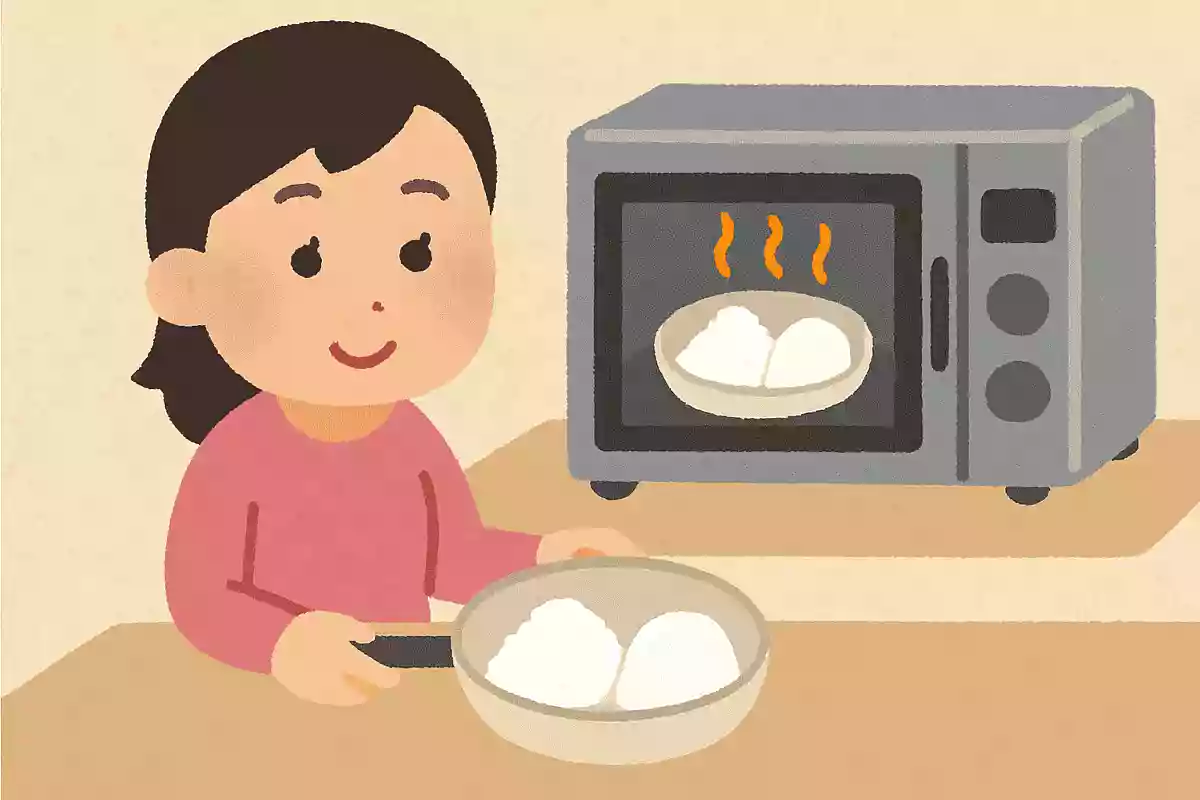
For everyday items like salt and sugar, many households buy large refill packs and top up their regular containers when they run low.
It’s fine if you manage them well, but sometimes when you pull them out, they’ve hardened so much you might wonder, “Is this a rock?” In those cases, popping them in the microwave will make them loose and free-flowing again! The reason they clump is simple: moisture.
The microwave drives off the moisture, bringing them back to life!

A tangled necklace can be loosened by sprinkling it with baby powder.
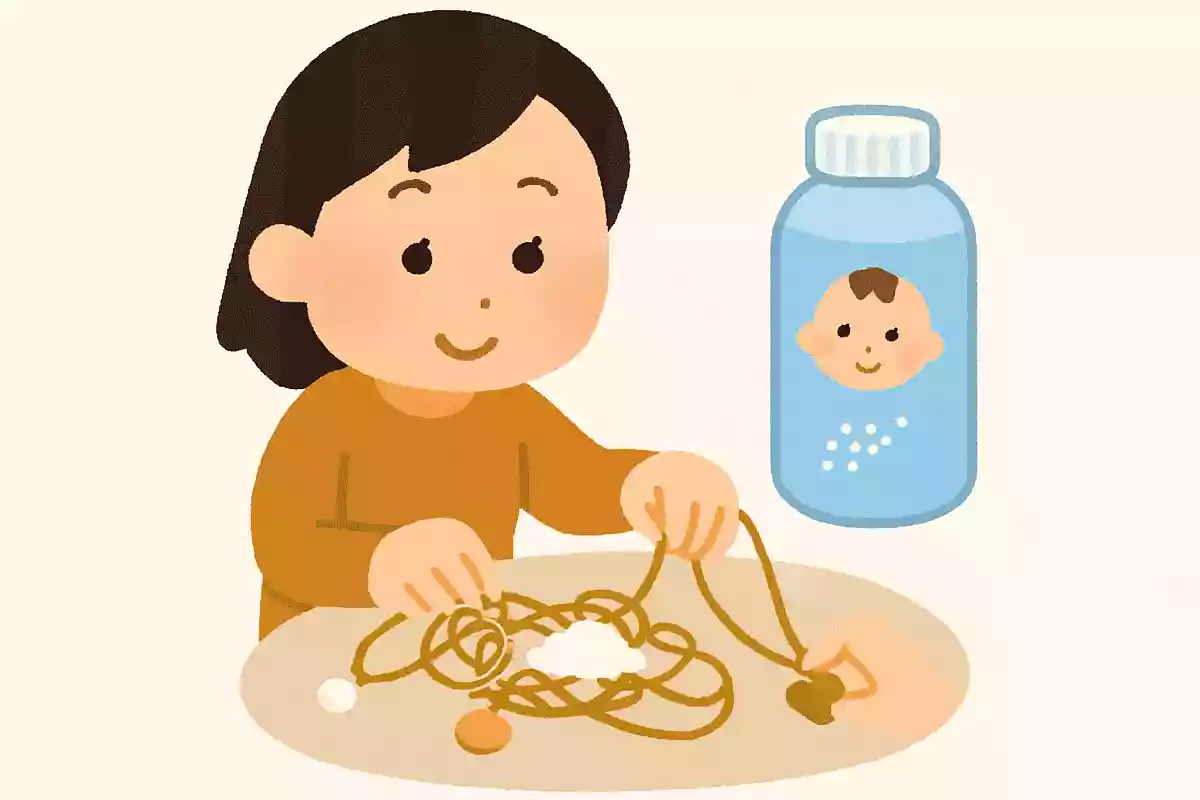
Necklaces often get tangled, don’t they? In such cases, try using baby powder.
First, sprinkle powder over the tangled chain.
Next, gently move or jiggle the chain.
This should make it more slippery and help it come apart.
After that, just rinse it off with water.
However, be careful: if the material shouldn’t get wet, don’t use powder.
Also, if the powder contains baking soda or similar abrasives, it can cause scratches, so use caution.

Placing newspaper under the laundry makes it dry faster.
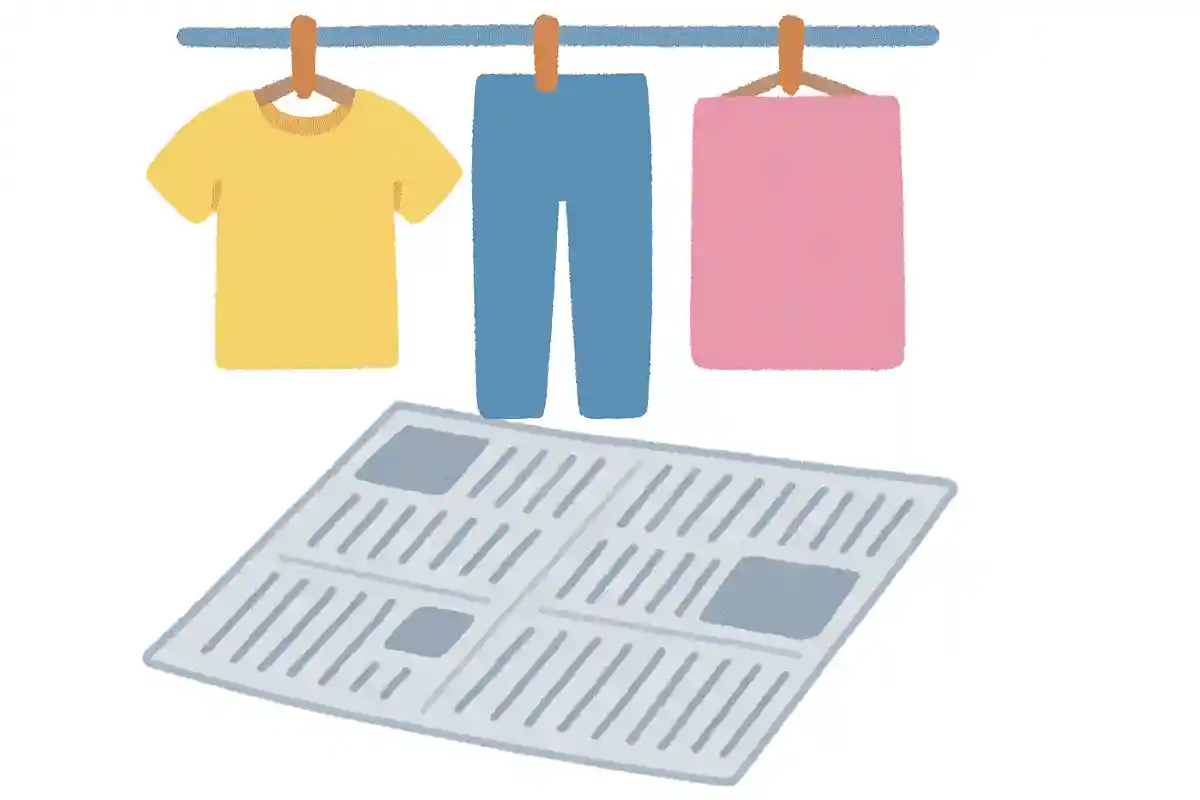
When it keeps raining or when you’re worried about pollen, you might dry your laundry indoors.
Some people make use of an air conditioner or a circulator as well.
You can speed up drying with items you have on hand.
Place some newspaper under the laundry; the newspaper will absorb moisture and help the clothes dry more easily.
It’s like how stuffing crumpled newspaper into damp shoes helps them dry.
Also, laundry dries faster when there’s airflow.
It may help to leave at least 5 centimeters of space between items so air can pass through.
It’s good to wipe dust in small or tight areas with cotton work gloves.
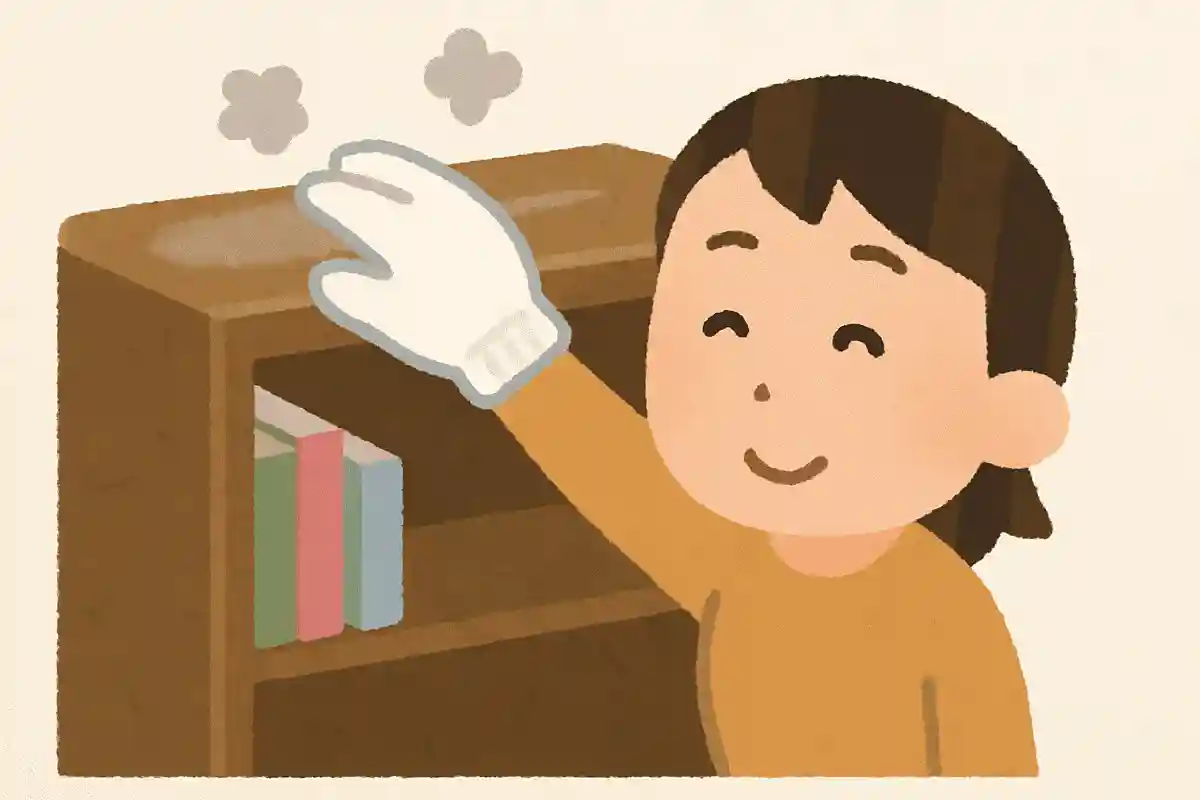
Cotton work gloves, often used for carrying luggage or pulling weeds, are actually very handy for cleaning too.
Use them to remove dust from small areas and narrow gaps.
The gloves’ moderately coarse weave traps dirt effectively.
Plus, wearing them while you clean lets you use your fingertips, so you can clean spots that are hard to manage with bare hands.
They’re affordable, sold even at 100-yen shops, making them easy to get and perfect for casual, hassle-free cleaning.