

Perfect for free selections and concert programs! Introducing famous and classic favorites in wind ensemble music.


Members of school wind bands often get frequent chances to perform in public—at competitions (free-choice pieces), regular concerts, baseball game rallies, and even sports days! And every time, choosing the repertoire is the big headache.
Besides classic wind band standards and trending Japanese pop arrangements, if it’s a free-choice piece for a competition, you also want something that shows off your ensemble’s strengths—so when you think through everything, it can be hard to land on “this is it.” In this article, we’ll introduce a wealth of recommended wind band pieces that will surely help if you’re feeling stuck.
We’ve picked out a wide range—from dazzling numbers across various genres to stylish and cool pieces—so please find works that make you think, “We want to perform this!”
- Recommended pieces for a wind band contest
- A Collection of Pop Hits for Wind Band: From Classics to Popular Medleys
- A classic brass band medley
- [History] A roundup of popular set pieces from the All-Japan Band Competition
- [Brass/Wind Band] Recommended for Beginners! A Collection of Classics and Popular Pieces Perfect for Practice
- [March] A curated selection of classic marches and dazzling crowd-pleasers for concerts!
- [Wind Band] Guaranteed to hype up the school festival! Recommended pieces the brass band will want to play
- [Uplifting Songs] A curated selection of popular and latest tracks to energize your school cultural festivals!
- A collection of video game music I want to perform in a wind ensemble
- Wind Ensemble: Brass Band Pieces Popular with Girls. Masterpieces of Wind Music Recommended for Women.
- Songs with cool trumpet. Introducing famous pieces from wind ensemble and jazz.
- [Wind Ensemble] Wind band pieces that men like. Masterpieces of wind band music recommended for men.
- [Wind Ensemble] Recommended Western pop songs for concerts: timeless classics from every era
Perfect for recitals and program selections! Introducing classic masterpieces and popular standards of wind band music (121–130)
Symphonic Poem for Wind Ensemble: GururiyozáItō Yasuhide

A three-movement suite themed on “O gloriosa domina,” the original chant of the hymn “Gururiyoza” passed down by the Hidden Christians of Nagasaki, interweaving Nagasaki folk songs as well.
The fusion of Gregorian chant and Japanese pentatonic scales creates a uniquely captivating charm.
Scootin’ on Hardrock: Three Improvisatory Jazz-Style Dance PiecesDavid R. Holsinger
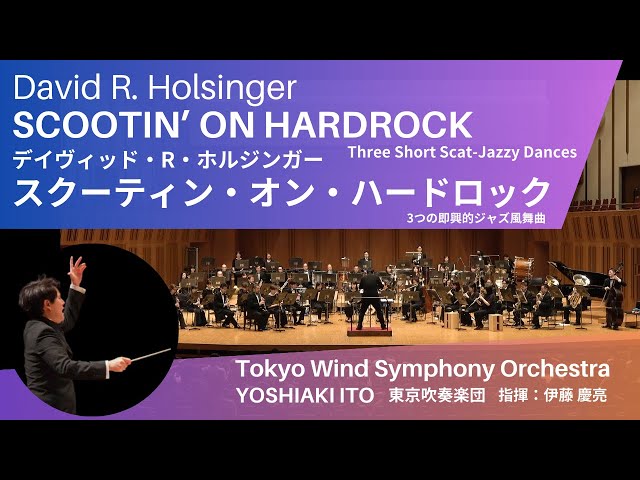
A wind band masterpiece overflowing with swingy, jazzy vibes you can’t resist.
It’s by the renowned American composer David R.
Holsinger, an energetic suite made up of three short, scat-inspired dances.
An anecdote about “dashing quickly” down the worn-out roads of his hometown—tinged with humor—fuels the piece’s breezy, improvisational feel.
Just listening makes you want to move.
It’s included on the album The Music of Holsinger, Vol.
8, and in 2012 it was featured in drum corps competition, captivating audiences with its sheer cool factor.
The thrilling back-and-forth between woodwinds and brass is sure to send both performers and listeners into high gear! A perfect pick for anyone who wants to stand out in concert and fire up the crowd with a technical showpiece.
Tomorrow will surely be a good day.Takahashi Yuu
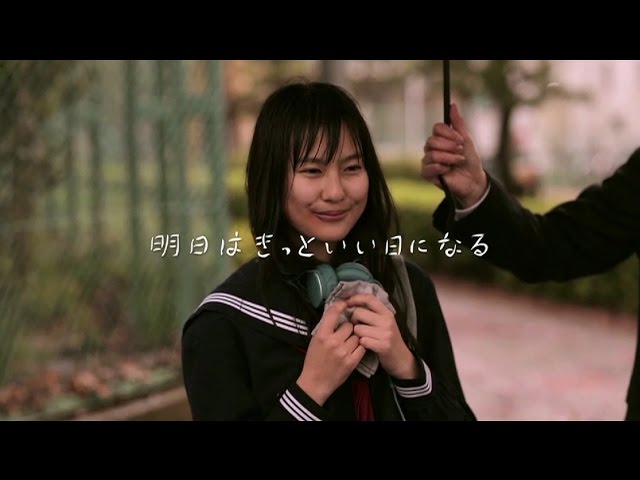
“Ashita wa Kitto Ii Hi ni Naru,” a piece often chosen in wind band settings and beloved by many, blends a powerful melody with encouraging lyrics to bring hope to its listeners.
Above all, its fun and positive vibe works wonders at outdoor events and school sports days.
With lyrics and a tune that everyone can hum along to, it unites performers and supporters alike.
In the moving climax, both players and audience are sure to come together in excitement.
For sports days, baseball cheer sections, and other events, why not choose this piece? It will surely fill the venue with energy and smiles.
Seagate OvertureJames Swearingen

James Swearingen’s 1988 composition Seagate Overture is a beloved masterpiece that continues to be featured in competitions and concerts.
The title “Seagate” means “gate to the sea,” named for Toledo, Ohio, a city that connects to the lake and waterways leading to the sea.
Its lively passages excite both performers and listeners, and because it is not overly difficult, it offers the joy of making music in a concert band setting.

For your free-choice pieces and concert programs! Introducing classic masterpieces and popular standards for wind ensemble (131–140)
Procession to PeaceToda Akira

This piece was performed by many ensembles as a required work in the 2001 Wind Band Competition.
Even though new pieces continue to be released every year as set pieces for the competition, it remains popular and is still frequently heard in concerts.
It’s a cool march whose opening piccolo solo leads the procession forward.
Fantasia Variations on a Theme by PaganiniJames Barnes

This piece is a set of variations based on the theme from No.
24, “Theme and Variations,” of Niccolò Paganini’s 24 Caprices, Op.
1, for solo violin.
In the wind band version, it consists of the theme—played by the oboe—followed by twenty variations.
Arranged by James Barnes for the United States Marine Band, the work showcases the ensemble’s exceptional performance abilities, making every instrument the star in each variation.

Theme from Mission: ImpossibleLalo Schifrin

You can enjoy that spy action theme song—often used in movies and TV dramas to create a sense of urgency—in a concert band arrangement! Showcasing the brilliance of Lalo Schifrin, this piece captivates with its distinctive rhythms and innovative sound that fuses elements of jazz and Latin music.
Its striking character skillfully conveys the tension and unpredictability of espionage, irresistibly drawing in both performers and listeners.
With its rich variety of melodies and dynamic rhythms that bring out the full appeal of wind band, this work is also recommended as an ensemble piece that lets players share the joy of music through performance.