

The world’s hardest!? Trick questions. How many can you answer correctly?

The world’s hardest!? Want to take on some trick questions? They look easy at first glance, but they’ll have you scratching your head—perfect for brain training.
Just when you think, “This is a piece of cake!” you might fall into a hidden, unexpected trap.
From puzzles that spark logical thinking and flashes of insight to playful word games full of humor, the more you think, the deeper and more fascinating they become.
Try solving them with friends or family and enjoy laughing together as you groan, “Argh, so close!”
- Hard to get right on the first try! A quiz you’re guaranteed to get tripped up by.
- A quiz that seems easy but is actually hard: trick questions that make you think flexibly
- [Trick Quiz] Quiz Questions That Excite Everyone from Kids to Adults
- A set of tricky common-sense quizzes that catch you off guard. A collection of trick questions with answers that make you say, “Ah, that makes sense.”
- So tricky you’ll be fooled! A collection of trick riddles that both adults and kids can enjoy.
- Fun for adults too! Trick questions for elementary school kids
- Fun trick riddles you can enjoy in elementary school!
- Genius if you can solve it? Super-difficult Quiz Collection
- A collection of challenging quizzes for adults [Difficult]
- Do you get tripped up too? A fun roundup of 10-time quiz questions
- Men Can't Help but Get Hooked! Riddles That Seem Easy but Are Surprisingly Hard
- [Interesting] A collection of brain teaser quiz questions. Let's train your brain!
- Recommended for kids! A collection of challenging riddles. Difficult questions that make you think.
The world’s hardest!? Trick questions. How many can you get right? (1–10)
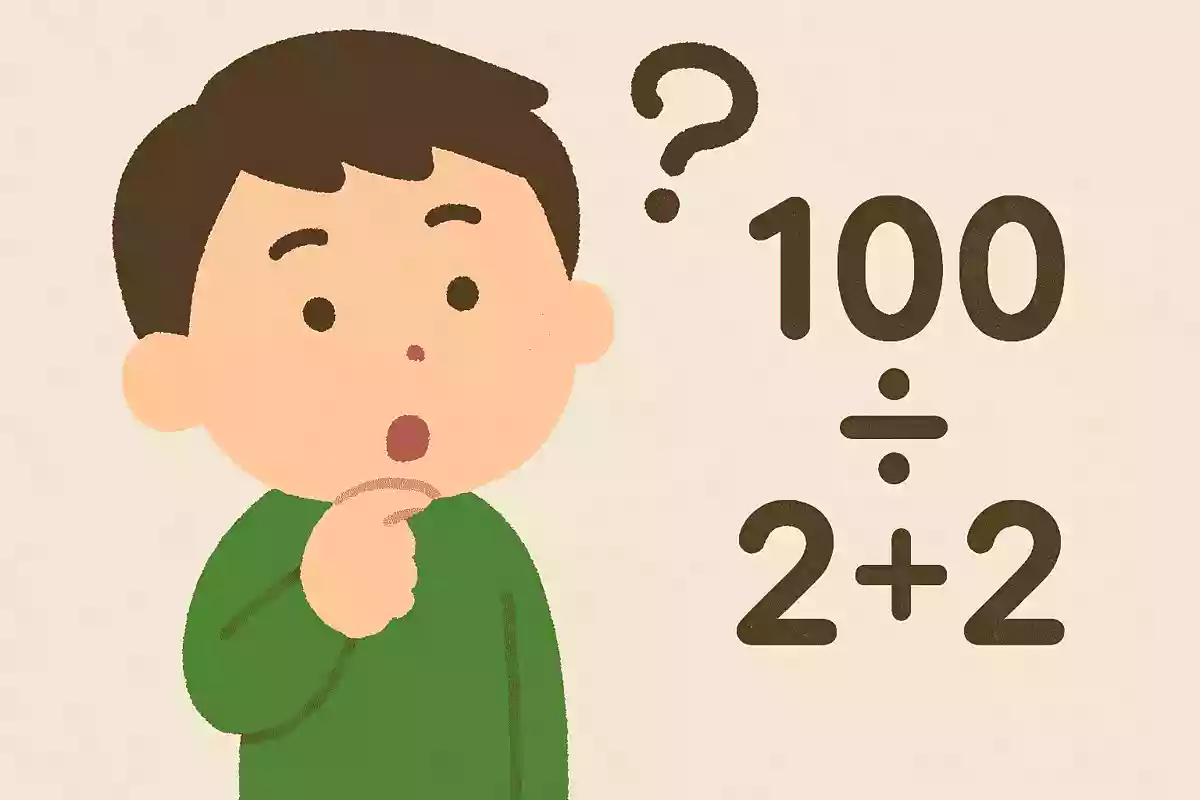
What do you get if you divide 100 by half and add 2?
See the answer
3
You might feel like answering “55” from the way the problem is written, but let’s read it carefully. It says “divide 100 by half.” That means the correct expression is to divide 100 by 1/2, since half of 100 is 50—wait, no: dividing by half means 100 ÷ (1/2). The answer to this expression is 200, and if you then add 1 to that result, you get 201. It’s a problem you can get wrong if you don’t read the wording carefully.

Why is it that whenever Person A uses a gacha machine, they always manage to get exactly what they want?

See the answer
I kept rolling/spinning until I won.
A question that asks why someone can always get what they want. It’s easy to assume there must be some special reason, but in reality there’s no special method—they’re simply trying over and over until they succeed. The key is to recognize the steady persistence behind it. It’s a simple trick question.

What should I do if I’m told to draw red and yellow tulips with a black pen?

See the answer
Write the words “red tulip” and “yellow tulip”
When drawing red and yellow tulips, you’d need red and yellow pens or colored pencils, right? So how would you do it with just a black pen? If you read the question carefully, it doesn’t actually say “to draw.” In Japanese, “kaku” can mean to draw a picture (描く) or to write characters (書く). Therefore, if you only have a black pen, writing the words “red and yellow tulips” is also a correct answer.
The world’s hardest!? Trick questions. How many can you get right? (11–20)
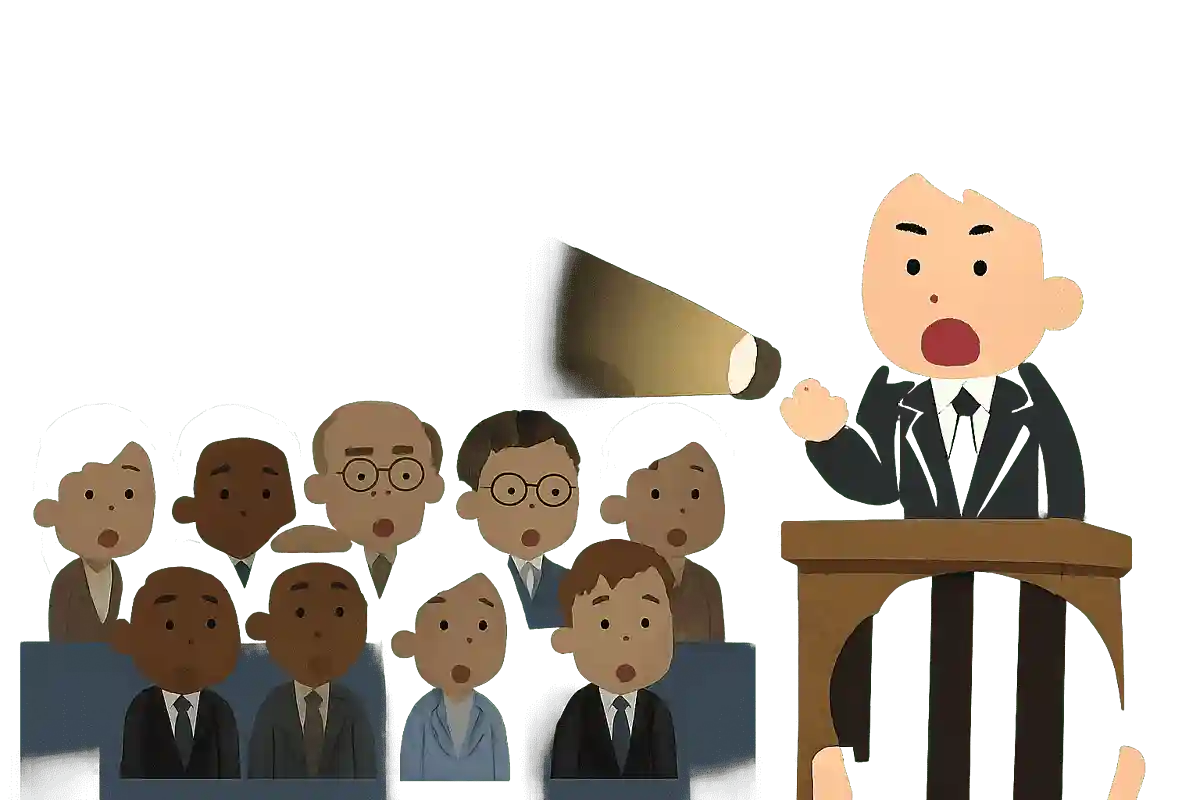
At an international conference where people from around the world had gathered, which country’s person shouted, ‘It’s a blackout!’ when the power went out?
See the answer
Japanese person
This is a question that focuses on the words used to describe an event that occurred in a multinational setting. The hint is that the shout of “Teiden da!” (“It’s a blackout!”) was in Japanese, and understanding the differences between languages and meanings is the key to the correct answer. It’s a thought-provoking trick question with a strong element of wordplay.
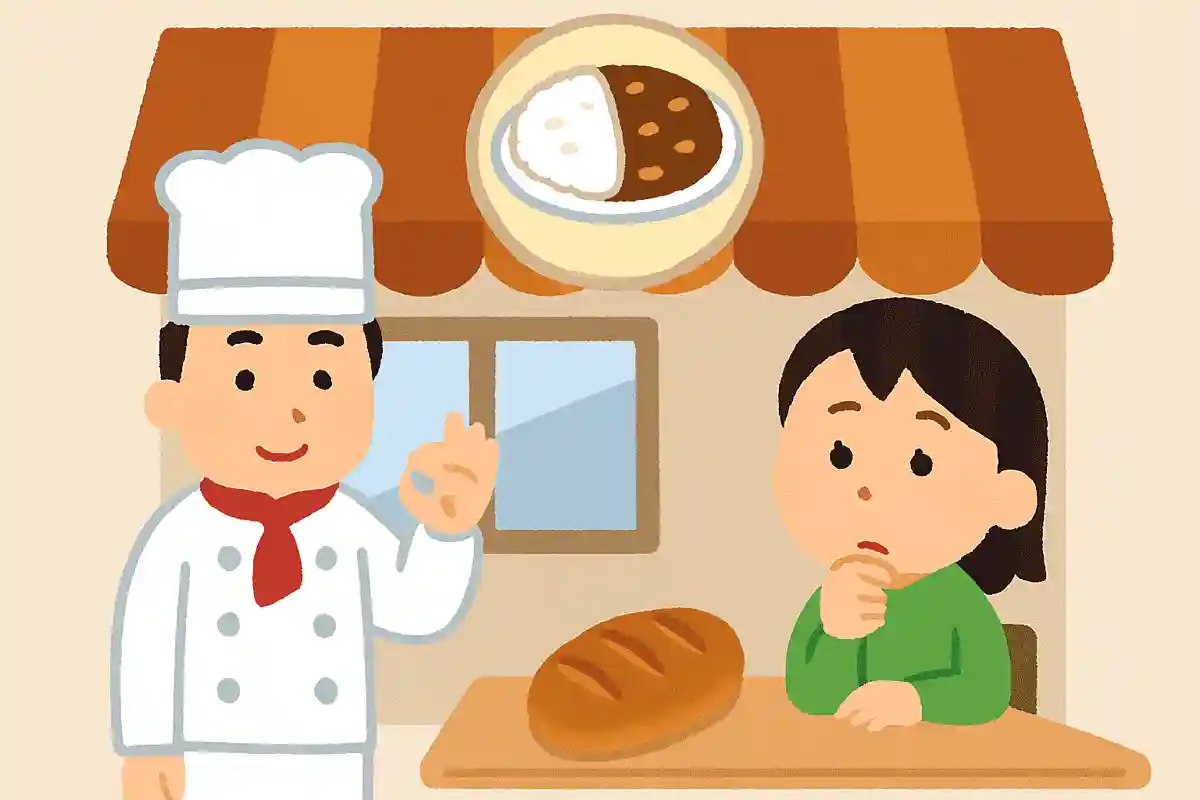
What kind of bread can you order when you go to a curry restaurant?
See the answer
Yes
If you interpret the question as asking, “Is the bread you can order ‘naan’?” then the answer is Yes. The hint to the answer is hidden within the question itself, and while you might be inclined to think of a typical dish name, by listening carefully you can notice the unexpected answer. The key is to pay attention to subtle nuances in the wording.
You rolled a number 6 or higher on a die numbered 1 to 6, but what could that be?

See the answer
6
This is a trick question that requires careful attention to the phrase “6 or more.” Since 6 is included as the minimum of the range, people tend to think of something like 7 or more. However, the numbers on a die go from 1 to 6, so the only number that is 6 or more is 6. It’s important to understand the meaning of the words correctly.
There’s someone who looks like they’re about to cry. One person is in the bathroom, but where is the other one?

See the answer
living room
We reinterpret the “imanimo” written in the problem statement as “ima nimo” meaning “also in the living room,” and read it that way. It’s a trick question that’s easy to miss if you take the words at face value. It’s important to read the statement carefully, and you can enjoy it as a quiz that pokes at points you might overlook.