

Great Western rock classics and hit songs of the '60s

The era when the foundations of rock music were forged: the 1960s.
Today’s rock music includes many subgenres that blend a variety of musical styles.
Of course, every genre is rooted in rock, but if you trace many of them back to their origins, you end up in the 1960s.
This time, we’ve selected classic songs that had a tremendous impact on the rock scene of the 1960s.
Many famous artists and bands appear, so even if you’re not well-versed in rock, be sure to check them out!
- Explore the innovative sounds and iconic songs that shaped the history of 60s bands
- Back to those nostalgic days… Classic and hit Western songs of the 1960s
- [50s–60s] A Collection of Rock ’n’ Roll Classics
- The 1970s were the golden age of Western rock! Recommended classics and hit songs
- [Masterpiece Selection] A Compilation of Classic Western Rock Songs
- [A Collection of Classics] Nostalgic 70s Western Hit Songs
- Top Western Music Rankings Popular with People in Their 60s (By Generation)
- Legendary Japanese rock masterpieces and hit songs of the 1960s
- The Roots of Rock ’n’ Roll! Must-Listen Rockabilly Classics and Fan Favorites
- Timeless Western pop ballads that colored the 1960s—masterpieces whose brilliance never fades.
- Recommended Western music for women in their 60s: world classics and popular songs
- A classic Group Sounds song. A nostalgic GS hit.
- Classic and hit Japanese pop songs from the nostalgic 1960s
Great Western rock classics and hit songs of the '60s (11–20)
LaylaDerek and the Dominos
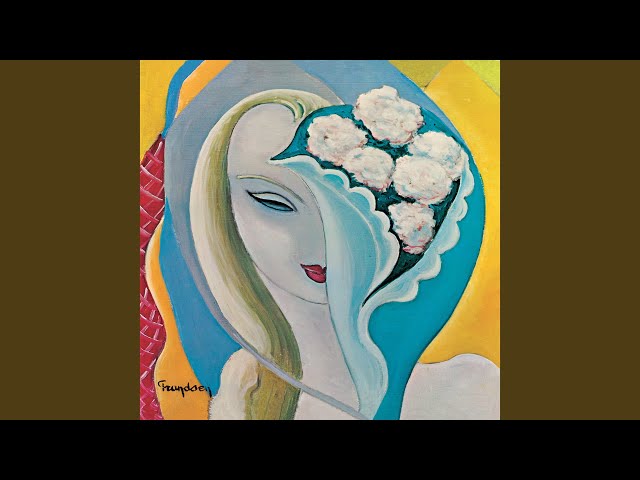
A song that had a profound impact on the rock scene of the 1970s is Derek and the Dominos’ “Layla.” It’s a love song imbued with Eric Clapton’s feelings for his future wife, featuring an appealing structure that shifts from ballad to rock.
Produced by Tom Dowd, it was recorded in the spring of 1970.
The tightly interwoven guitar work by Clapton and Duane Allman has been praised as almost telepathic.
The track appears on the album “Layla and Other Assorted Love Songs” and was released in 1970 by Polydor Records in Germany.
It’s an immortal classic that every rock fan should hear at least once.
Black BettyRam Jam

Ram Jam is a rock band formed in the 1970s.
Their signature song is this track, an arrangement of an African American work song.
Its unique sound—fusing hard rock and blues rock—is captivating, with a catchy riff that sticks with you.
Released in June 1977, it reached No.
18 on the U.S.
singles chart and broke into the top 10 in the UK and Australia.
It has remained beloved for years, even being featured on the soundtrack of the film The Dukes of Hazzard.
With its energetic vibe, it’s perfect for when you want to get pumped up.
Purple HazeThe Jimi Hendrix Experience

This is one of Jimi Hendrix’s signature songs, and he’s popular in Japan under the nickname “Jimi Hen.” Speaking of his appeal, what stands out is how he handles the guitar as if it were part of his body—his demeanor is exactly that of a guitar god, and it’s incredibly cool.
Good Times Bad TimesLed Zeppelin

Led Zeppelin, a hard rock band emblematic of the 1970s, made their debut with the album Led Zeppelin I, released in 1969.
The first track on that album is Good Times Bad Times.
The song is packed with the band’s appeal, from Jimmy Page’s guitar, which crafts a bluesy yet innovative hard rock sound, to John Bonham’s heavy, rolling drums.

Space OddityDavid Bowie

A song by David Bowie that tells the story of astronaut Major Tom.
It uses the vastness of space as a metaphor for loneliness and existential emptiness, and is often interpreted as symbolizing the sacrifices made for the space race and scientific progress of the time.
Released in July 1969, just before the Apollo 11 Moon landing, the BBC played the track during its coverage of the event.
Amid rising interest in space and technology, Canadian astronaut Chris Hadfield recorded a cover version from the International Space Station, which drew major attention.
Highly recommended for those interested in music themed around space and solitude.
Foxey LadyThe Jimi Hendrix Experience
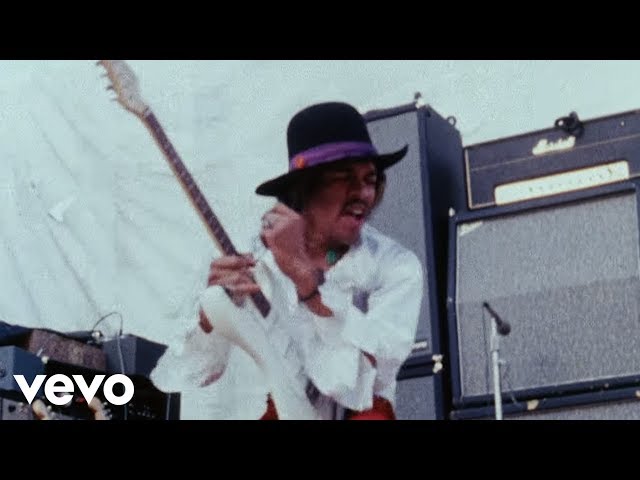
It’s a masterpiece that stands as a pinnacle of psychedelic rock.
It paints a tribute to a captivating woman, paired with a distinctive guitar sound.
Jimi Hendrix’s innovative playing style colors the entire track.
Included on the 1967 debut album Are You Experienced, it was also released as a single in the United States.
Its cultural significance is exceptionally high—evidenced by its inclusion in the Library of Congress.
It’s a must-listen for anyone interested in the history of rock music or in exploring the possibilities of the guitar.
Great Western Rock Classics and Hit Songs of the '60s (21–30)
Somebody to loveJefferson Airplane

Jefferson Airplane is an iconic band from San Francisco’s psychedelic scene of the 1960s.
They performed at Woodstock, the music festival that left its mark on American history, and watching the footage, you can tell just how incredibly popular they were at the time.