

Great Western rock classics and hit songs of the '60s

The era when the foundations of rock music were forged: the 1960s.
Today’s rock music includes many subgenres that blend a variety of musical styles.
Of course, every genre is rooted in rock, but if you trace many of them back to their origins, you end up in the 1960s.
This time, we’ve selected classic songs that had a tremendous impact on the rock scene of the 1960s.
Many famous artists and bands appear, so even if you’re not well-versed in rock, be sure to check them out!
- Explore the innovative sounds and iconic songs that shaped the history of 60s bands
- Back to those nostalgic days… Classic and hit Western songs of the 1960s
- [50s–60s] A Collection of Rock ’n’ Roll Classics
- The 1970s were the golden age of Western rock! Recommended classics and hit songs
- [Masterpiece Selection] A Compilation of Classic Western Rock Songs
- [A Collection of Classics] Nostalgic 70s Western Hit Songs
- Top Western Music Rankings Popular with People in Their 60s (By Generation)
- Legendary Japanese rock masterpieces and hit songs of the 1960s
- The Roots of Rock ’n’ Roll! Must-Listen Rockabilly Classics and Fan Favorites
- Timeless Western pop ballads that colored the 1960s—masterpieces whose brilliance never fades.
- Recommended Western music for women in their 60s: world classics and popular songs
- A classic Group Sounds song. A nostalgic GS hit.
- Classic and hit Japanese pop songs from the nostalgic 1960s
Great Western rock classics and hit songs of the 1960s (41–50)
For What It’s WorthBuffalo Springfield
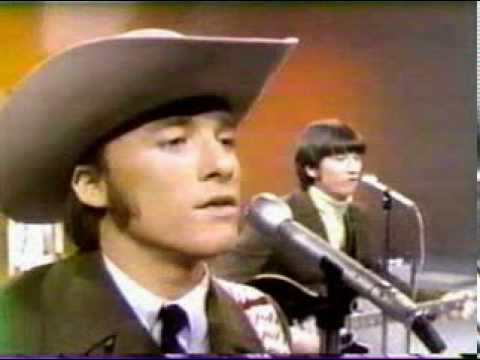
It’s a big hit by the American rock band Buffalo Springfield, which is also famous for having Stephen Stills and Neil Young in the lineup.
Released amid the rise of 1960s counterculture, it resonated with many people as an anti-war song.
Break On Through (To The Other Side)The Doors

The debut by The Doors, a psychedelic rock band emblematic of America, is a striking track where organ and guitar weave a dreamlike sound, paired with Jim Morrison’s charismatic vocals.
Its polished blues-rock rhythm and innovative drum beat—skillfully incorporating bossa nova elements—make it a performance that symbolizes the psychedelic movement of the ’60s.
Released in January 1967 as the opening track of their debut album The Doors, the song has continued to be loved across generations, later featuring in the film Forrest Gump.
Imbued with the band’s determination to open doors to new worlds through music, this track is highly recommended for all music fans seeking liberation of the heart.
Mr. Tambourine ManThe Byrds
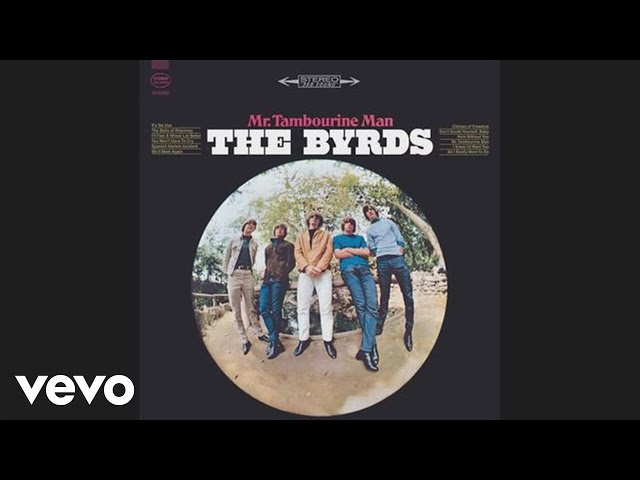
The Byrds, a great rock band from Los Angeles.
They excelled in genres like pop rock, country rock, and folk pop, and in particular had a major influence on later bands and artists in folk rock.
One of their classic songs is Mr.
Tambourine Man.
Released in 1965, it’s an exceptionally pleasant track that blends a melody somewhere between folk and country music with a touch of classic rock.

Wild ThingThe Troggs

A classic song familiar in Japan, “Wild Thing.” This track is extremely famous and always plays in Japanese media whenever Major League Baseball is featured.
Still, many of you have probably thought, “The melody is the same, but isn’t something different?” That’s right—the version you hear in MLB features is actually a cover by a band called X.
The piece here is also a cover by The Troggs, and it’s known as the first cover to become more famous than the original, so I decided to highlight it this time.
Communication BreakdownLed Zeppelin

Led Zeppelin is one of the quintessential British hard rock bands.
Among the tracks on their 1969 debut album, this one has a very driving, rock ’n’ roll feel and is really satisfying to listen to.
Bad Moon RisingCreedence Clearwater Revival
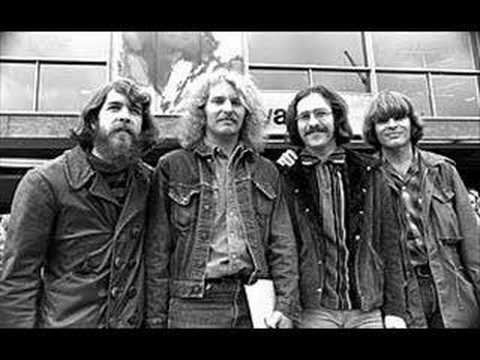
This is a signature song from the 1960s by Creedence Clearwater Revival, known as pioneers of the Southern rock genre in the American South.
It’s truly a Southern rock track—rock that emphasizes the gritty blues and boogie styles rooted in the American South.
I Wanna Be Your DogThe Stooges

This is a signature song by The Stooges, the garage rock band led by vocalist Iggy Pop that epitomized the late 1960s.
Its raw, high-energy sound is quintessential garage rock.
It’s easy to see why it’s said to have had a profound influence on later punk rock.