

A classic song that sings of Yamanashi. The enduring heart of our hometown.

Yamanashi Prefecture, located right in the midst of overwhelming natural beauty—including Mount Fuji, the Fuji Five Lakes, the Yatsugatake Mountains, and the Southern Alps—has flourished as a tourist destination since ancient times.
Please enjoy the many songs born from Yamanashi’s unique connection to grand nature, as well as folk songs themed around travel.
- A classic song that sings of Yamanashi. The enduring heart of our hometown.
- [Japan’s Tallest Mountain] Famous songs about Mount Fuji: recommended popular tracks
- [Local Songs] Recommended tracks packed with Japan’s nationwide classics and hometown pride
- Artists from Yamanashi Prefecture: A roundup of talented bands and singers
- Recommended songs about mountains: classic and popular tracks for mountaineering and mountain songs
- [Yamagata Songs] Beloved local tunes and classic tracks celebrating majestic nature and hometown pride
- [Songs of Saitama] A Wealth of Humor-Filled Classics! Local Anthems Packed with Love for Saitama
- [Folk Songs of Yamagata] The Heart of Our Hometown Passed Down in Song: Feelings Woven into Nostalgic Melodies
- [Songs of Gunma] Exquisite masterpieces that sing of Gunma’s nature and the spirit of its people
- A classic song about Nagano. The enduring spirit of our hometown passed down through song.
- A roundup of regional enka songs: classic hits that feature places from all across Japan in their lyrics.
- A classic song that celebrates Niigata. The enduring spirit of our hometown passed down through song.
- A classic song that sings of Toyama. The enduring heart of our hometown.
A classic song about Yamanashi: the enduring spirit of our hometown (1–10)
White WindShintarō

A singer-songwriter from Kofu City who is active mainly in Yamanashi.
This song became the unified theme song for all commercial radio stations in Japan during the 2002 Salt Lake City Winter Olympics, marking their major-label debut.
It’s a rare folk song these days, featuring a grounded and convincing vocal performance.
Yamanashi Prefecture SongYamanashi kenkka

As part of the 60th anniversary of the enactment of the prefectural government, this was created in 1950 to celebrate the excellence of our homeland and to foster local pride.
It conveys not only Yamanashi’s rich history but also its natural beauty—the splendor of its mountain ranges, the purity of its waters, and the prosperity of its industries, including wine.
The Great Bodhisattva PassShimazu Etsuko

Daibosatsu Pass is located in Koshu City and is included among Japan’s 100 Famous Mountains.
While it’s strongly associated with the novel, the scenery is excellent, making it a popular spot for hikers.
The song conveys a masculine image suggested by the title, and through Ms.
Shimazu’s heartfelt singing, it expresses the pain of love and a woman’s emotions.
Masterpieces that sing of Yamanashi: The heart of our hometown passed down in song (11–20)
Shosenkyo GorgeMizumori Kaori

Shosenkyo is a gorge located in Kofu City and has been designated a Special Place of Scenic Beauty.
While this song also praises the beauty of the scenery, its content seems to dwell on the pain and sadness of parting.
Yet it then moves forward, as if walking on with a positive outlook.
It makes me want to experience this beauty for myself.
Nature sometimes heals the heart.
Hold Me TonightTahara Toshihiko

Toshi-chan from Kofu has an energy you’d never guess from a 56-year-old; whenever he appears, the whole place instantly brightens.
He has many hit songs, but this one is his 33rd single, so it came relatively late in his career.
It was the theme song for a TV drama, and his role as a teacher at the time was also memorable.
A withering night, te-te-te ra-ra-raHarada Yoshiteru
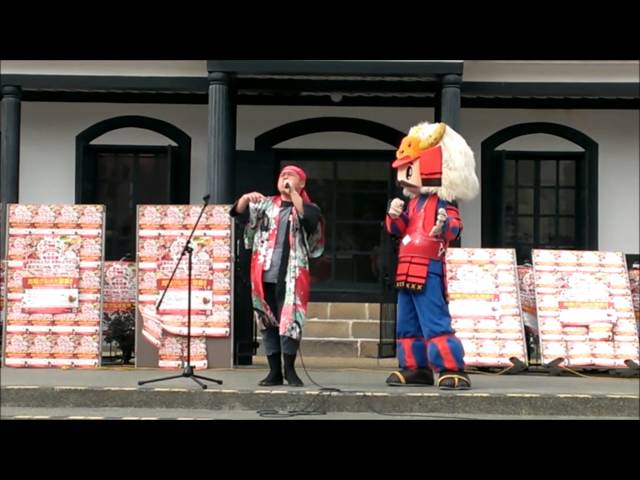
Mr.
Harada is a rapper who’s been performing in the Koshu dialect for 22 years.
This is a mini-concert in the square in front of Kofu Station, and the way the kids run around ignoring the singer gives it a charming, homemade feel.
He’s really rooted in the local community, and he even has grandchildren.
Tanabata-samashouka

The lyricist Hanayo Gondo was born in Anayama Village, Kitakoma District (present-day Anayama-cho, Nirasaki City).
Writing wishes on tanzaku—part of the Tanabata festival—continues widely today as a cherished dream for children.
In the poem, is it perhaps because we imagine the landscapes of Yamanashi, where Hanayo was born and raised, that we especially feel the beauty of the stars?