


What animals come to mind that start with “yo”? If you limit yourself to mammals, some people may find it hard to think of any.
So in this article, we’ll introduce animals that start with “yo,” including birds, insects, and fish! We’ve picked out a wide variety, from animals whose names carry meanings like “night” or “four,” to those named after places.
Use them as prompts for word games like shiritori, or as ideas for trips to zoos and aquariums.
We’ll introduce them by character count, so be sure to check them out!
- Useful for word games and shiritori too! Animal names that start with “ko” (the “ko” sound)
- Recommended for upper elementary grades! Exciting indoor recreation and games
- Animals that start with “na.” For reference in a word game!
- List of animals that start with “n”
- [Unusual creatures too?] Animal names that start with “nu”
- Let's learn animal names! Animal names that start with 'mi'
- Animal riddles
- [Play Right Away!] Exciting Recreation Games Recommended for Elementary School Students
- A must-see for anyone struggling with word games like shiritori! Animals that start with 'ro'
- [By character count] Names of animals and living creatures that start with “gi”
- Usable for Shiritori! A roundup of animals that start with “shi”
- Animal names that start with “zu.” Perfect for shiritori and word game hints!
- What animal is this kanji? A quiz on difficult animal kanji.
3 characters (1–10)
Owl monkey (night monkey)
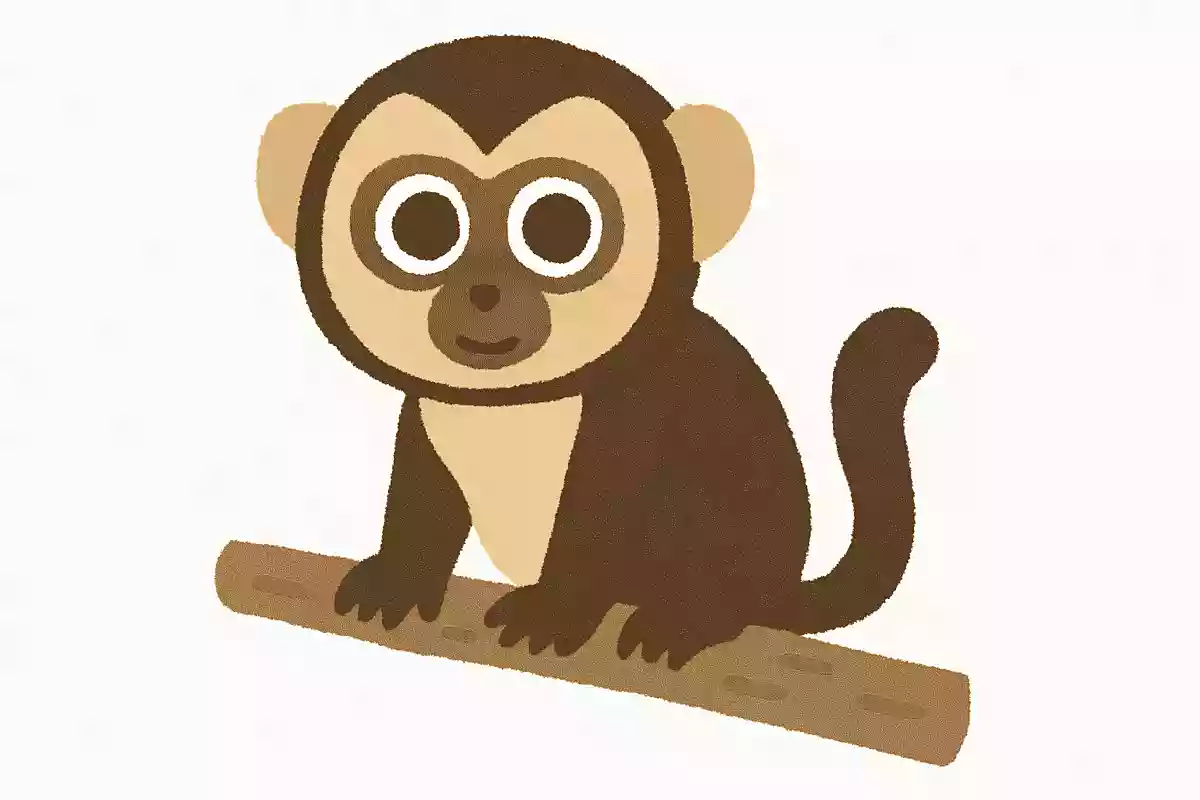
The night monkey belongs to the family Aotidae in the order Primates.
It inhabits a wide range from eastern Colombia to southern Venezuela and northern Brazil, from lowlands to highlands.
As its name suggests, it is unusual among monkeys for being nocturnal, and its owl-like face is quite endearing.
Its tail is longer than its body, and it is said to be especially active on nights with a full moon.
That mysterious vibe is really appealing.

gray parrot (African grey parrot)
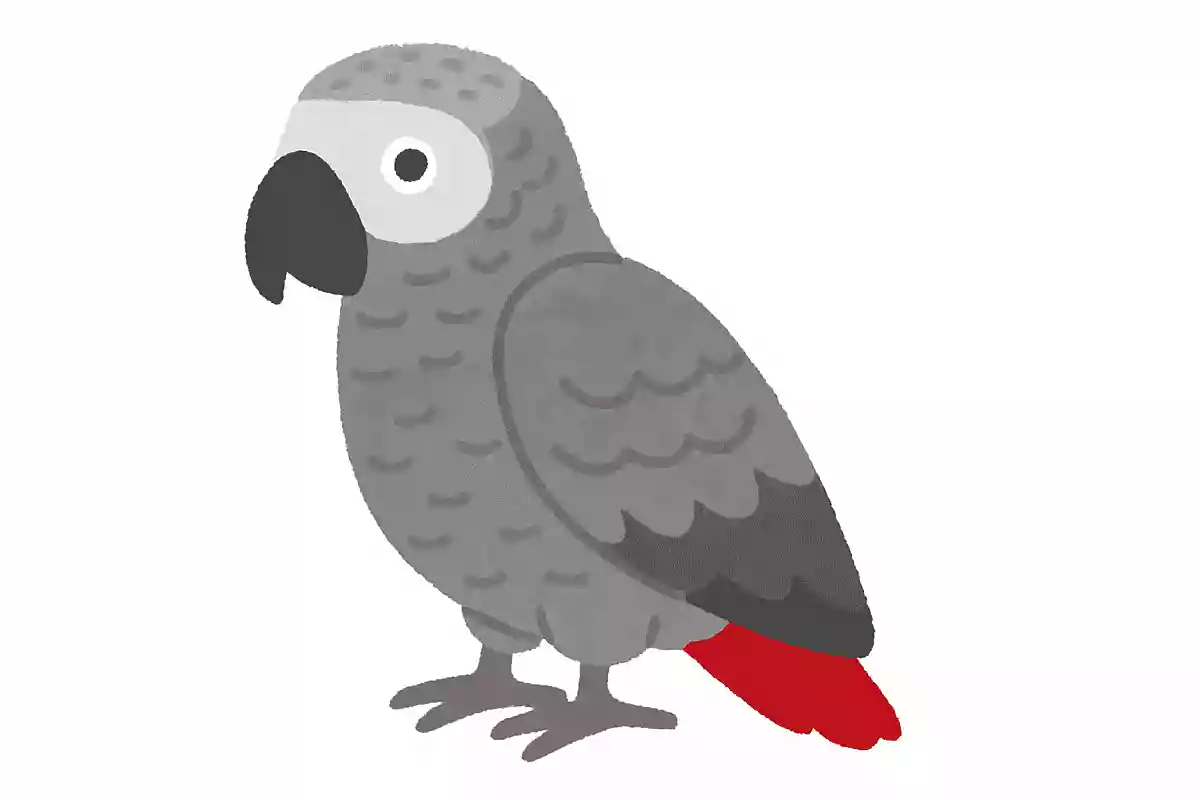
The African grey parrot is also popular as a household pet.
It is a large parrot in the order Psittaciformes, family Psittacidae, originally inhabiting the forested areas along the west coast of Africa.
They are very intelligent—some say they have the intelligence of a five-year-old child.
They don’t just mimic human speech; they are said to have the ability to communicate with people.
They even go through a rebellious phase, making them seem almost human.
Since their average lifespan is about 50 years, you need to be mindful of when you start keeping one.
Yosogi
It’s a member of the filefish family, but it’s small, about 10 centimeters long.
It lives in the western Pacific, from the East China Sea to the South China Sea, as well as the Arafura Sea and the Great Barrier Reef.
Because it’s small, it isn’t often eaten in Japan, but like other filefish, its liver is delicious, so it’s said to be good prepared as liver-ae (mixed with liver), and similar dishes.
4 letters (1–10)
Falcated Duck (Eurasian Falcated Duck)
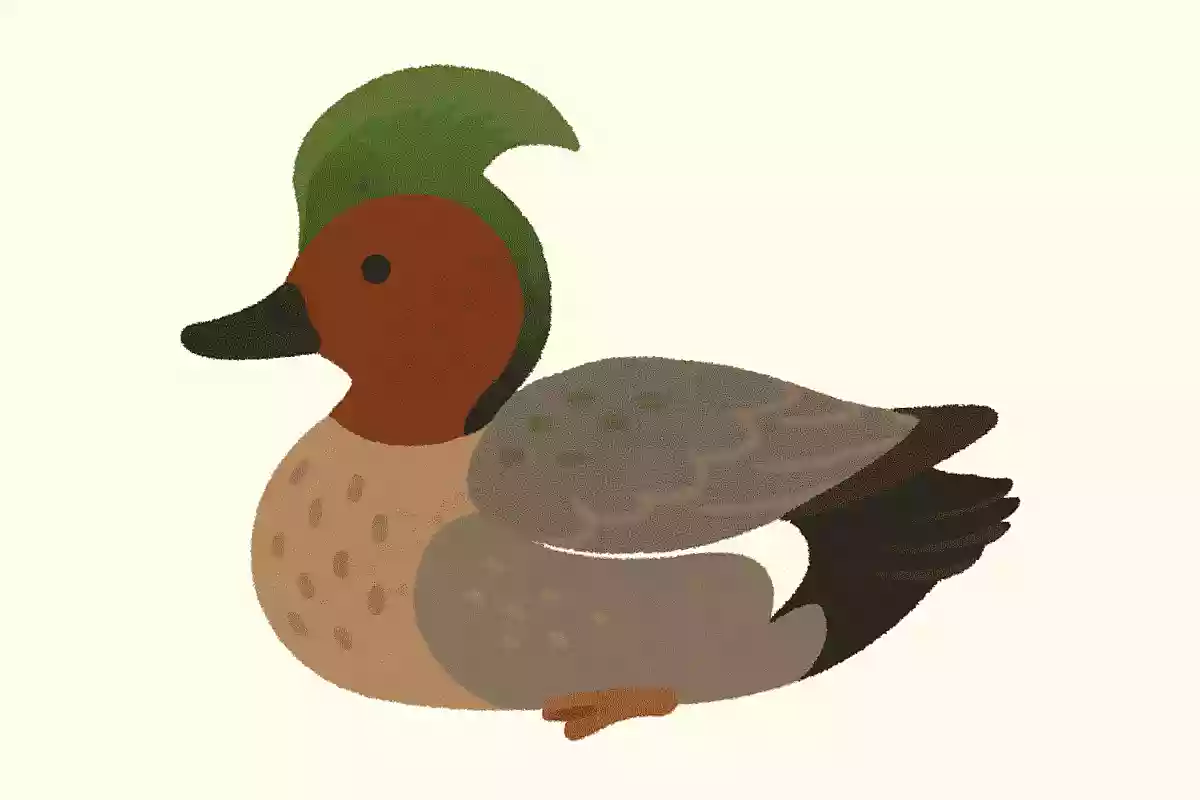
The Falcated Duck, a relative of the Mallard, flies to Japan in winter to overwinter.
It is slightly smaller than the Mallard, and the male’s head is said to look as if it’s wearing Napoleon’s hat.
They can be seen on rivers and lakes in Japan, so why not try observing them?
Yellow Bittern (Ixobrychus sinensis)
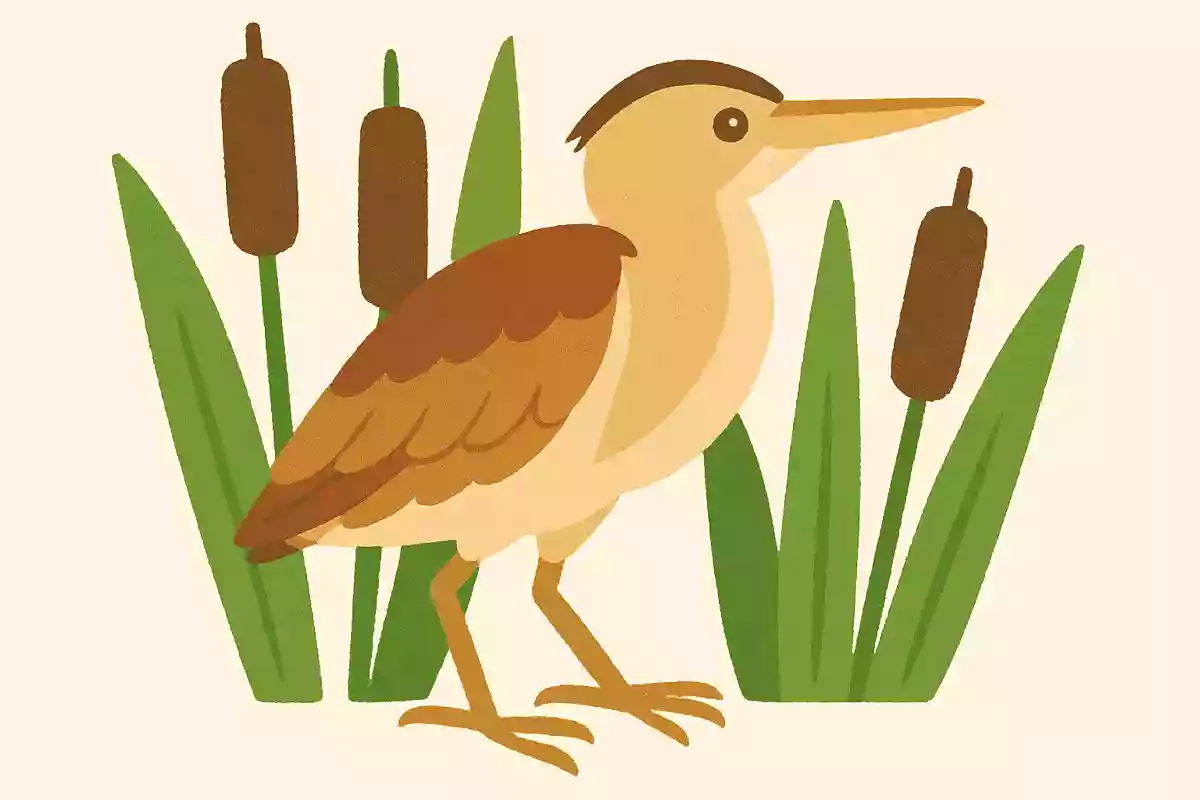
The Yellow Bittern is a type of heron and a migratory bird that comes to Japan in summer.
Because of its unique appearance, it’s affectionately nicknamed “old man” or “myoga ginger fairy.” It’s a bird that really feels familiar and endearing, isn’t it? The name Yoshigoi literally means a heron (goi) found where reeds (yoshi) grow, but the “goi” part ultimately traces back to the Black-crowned Night Heron (goisagi).
The night heron’s name is said to come from having been granted the court rank of “Go-i” (Fifth Rank) by Emperor Daigo.
Being allowed to come and go at the imperial court—what a stylish gesture, right?
amphipod
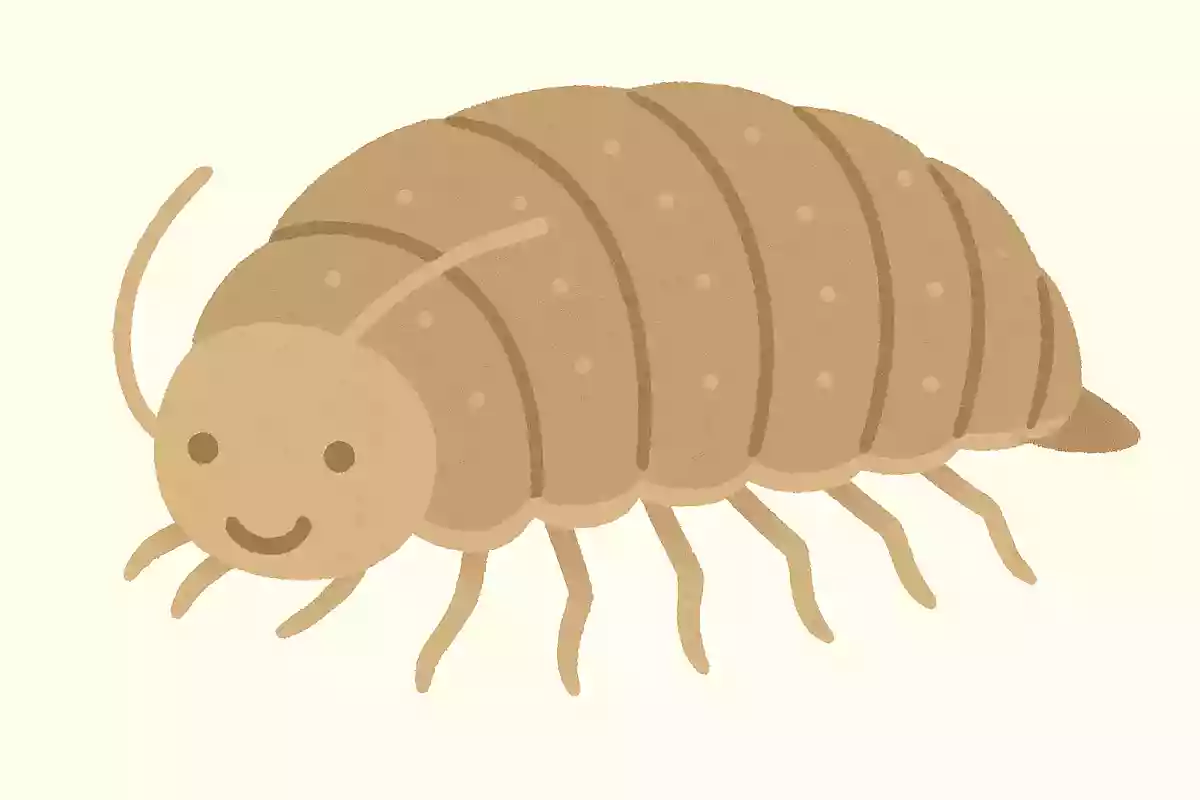
Although their name includes “shrimp” and they look similar to shrimp, sandhoppers (amphipods) are actually closer relatives of creatures like pill bugs and wharf roaches.
They move quickly while keeping their bodies tilted sideways, and when predators approach, they slip away into crevices in rocks or under stones.
Their backs can rotate 180 degrees, which plays an important role in their sideways scuttling.
They’re small enough to be kept in a plastic bottle.
cabbage armyworm moth (Spodoptera litura)
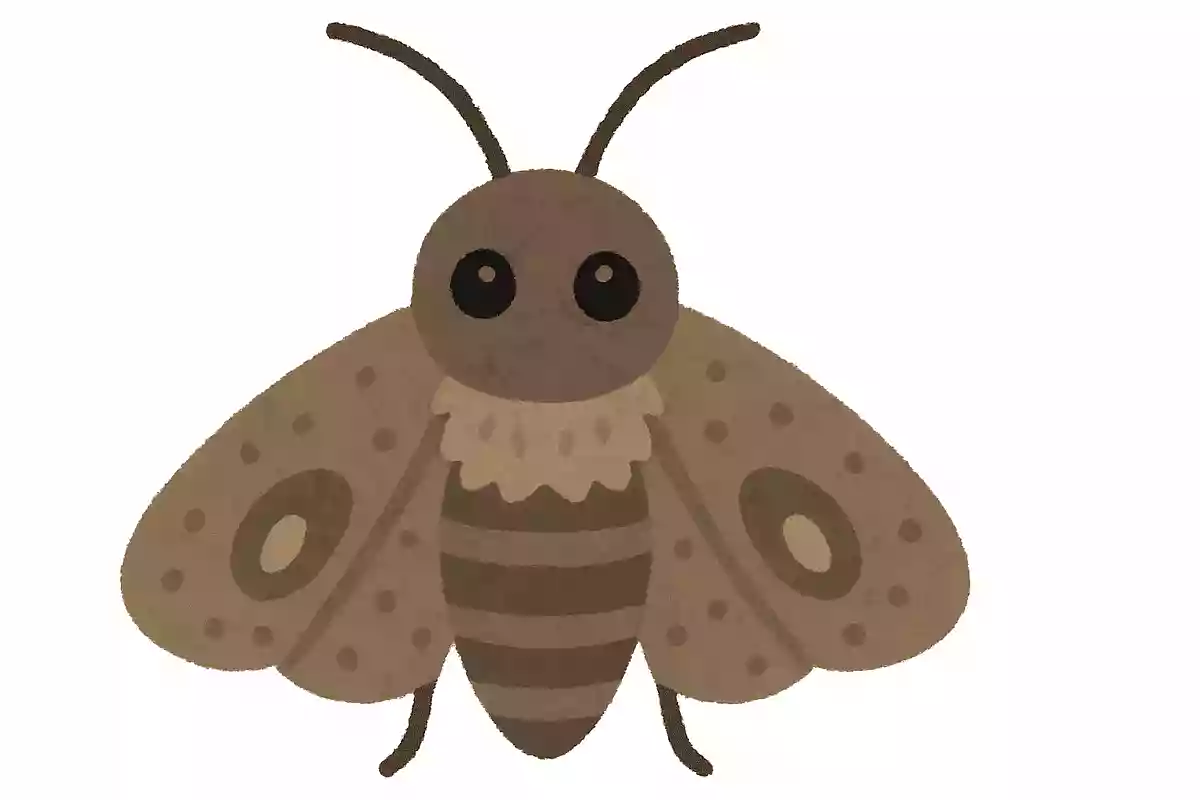
The common cutworm (Spodoptera litura) is known as an agricultural pest because its larvae devour large amounts of crops like cabbage, Chinese cabbage, and broccoli.
As its Japanese name “yotouga” literally means “night-thief moth,” it suggests that crops are taken during the night.
In Japan, it appears two or three times a year, so you can’t let your guard down in any season.
Still, learning an insect’s name and habits can make it quite intriguing, even when it’s a pest.