

[Neo-Visual Kei] A roundup of popular songs by V-kei bands from the 2000s


Visual kei, which reached its golden age in the 1990s and produced hits that ranked high on the Oricon charts, is now embraced overseas as a culture that transcends a Japanese music genre—so much so that the term “Visual kei” appears on Wikipedia.
Within the 30-plus-year history of V-kei, this article spotlights popular songs by the so-called “Neo-Visual Kei” bands of the 2000s.
We’ve compiled a selection of classics—hugely influential on today’s Visual kei bands—focusing on releases from the 2000s, spanning both major-label and indie acts.
Whether those years were your youth or you’ve only recently gotten into V-kei, enjoy!
- Iconic songs by Japanese rock bands from the 2000s [J-Rock]
- A classic masterpiece of visual kei. A staple and popular song representing V-kei rock.
- A collection of hit songs and classics that opened the door to 1990s Visual Kei
- Debut song of a 90s visual kei band
- Anisongs that were hits in the 2000s: a nostalgic collection of legendary tracks
- A melancholic “yami” song that was a hit in the 2000s. A bittersweet track.
- Nothing but iconic hits that defined an era! 2000s classics popular on TikTok
- Nostalgic even though it’s recent? Iconic 2010s songs that went viral on TikTok
- All big hits! A roundup of classic J‑Pop songs that were popular in 2000
- [Heisei Songs] Classic hits from the Heisei era that are popular on Instagram Reels
- Popular Heisei-era songs you can use on Instagram Stories
- Love songs that were hits in the 2000s. Classic and popular Japanese songs.
- Japanese Music of the 2000s: Revival Included! A J-POP Hit Song Special
[Neo Visual Kei] A Collection of Popular Songs by 2000s Visual Kei Bands (41–50)
-9-UnsraW

This is a track that metal fans won’t be able to resist.
It’s a song by UnsraW, a visual kei band formed in 2006, and it was released as a single the same year.
With its heavy, weighty sound and the cool contrast between death growls and the sweet vocals in the chorus, it’s a killer heavy metal number.

Life♥2DieSuG

It’s a truly heavy–positive track that blends dark, melodic rock with pop elements.
True to SuG’s style, its catchy melodies and sharp sound carry a powerful message: even while bearing sorrow, keep facing forward and live on.
Featured on the album “TOKYO MUZiCAL HOTEL,” the song was released as an indie single in October 2009 and achieved an impressive No.
17 on the Oricon overall chart.
The sound, which brilliantly balances metal-like heaviness with pop-friendly accessibility, can rightly be called a defining song of 2000s visual kei.
The lyrics, which emphasize the importance of not losing hope for the future even as you confront negative emotions, are sure to resonate when you feel lost in life or want to face your own weaknesses.
Litokannivalism
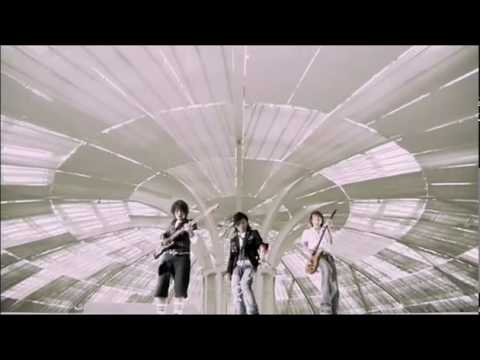
This is a song by the rock band kannivalism, known for a sound that blends visual kei with a catchy pop sensibility.
It was released in 2006 as their debut single.
The sparkling melody is wonderful.
The Magic FluteKagrra
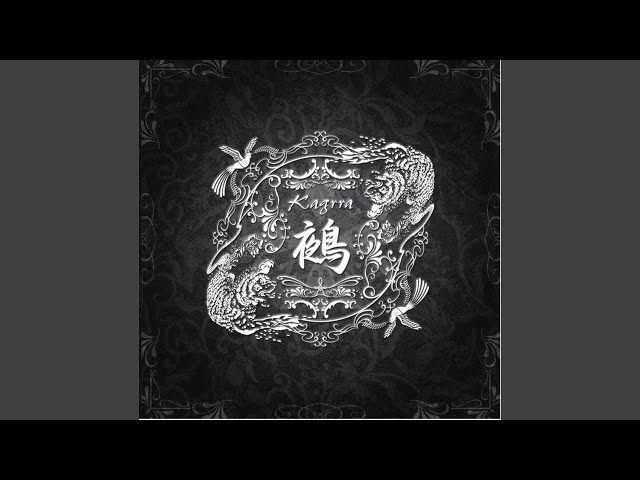
Kagrra is a five-member rock band that embraced a Neo-Japanesque style with a focus on Wa (traditional Japanese aesthetics), earning popularity with songs that carefully crafted both their worldview and sound.
The track “Mateki,” included on their first mini-album Nue, was later featured on the indie best-of album Kagrra Indies BEST 2000-2003.
Its hysterical guitar cutting and driving beats, combined with mysterious lyrics, create a distinctive, addictive pull.
It’s a cool rock tune that embodies a form of visual kei that evolves while carrying on the old-school tradition.

red butterflySadie

This is a song by Sadie, a visual kei rock band from Osaka.
It’s included on the single “The Desire Beneath the Black Robe, and the Lilies of a Hundred Scenes Seen at the End of Agony,” released in 2005.
Its energetic death vocals and sound captured the hearts of many fans.
Twilight Starmegamaso
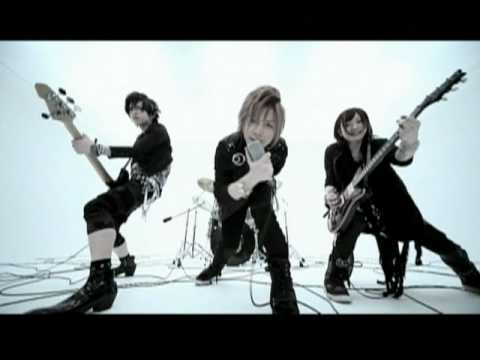
Against a pale pink pre-dawn sky, Megamasso’s poignant yet powerful rock number paints boundless dreams and hope.
Its delicate lyrics and driving sound create an exquisite harmony, beautifully expressing the hope grasped from among countless dreams.
Released in May 2010, it was chosen as the ending theme for the anime Major Season 6 and reached No.
36 on the Oricon Weekly Chart.
It came out in three formats: Limited Edition A (CD+DVD), Limited Edition B (CD), and Standard Edition (CD), with lavish bonuses including collaboration trading cards with the anime.
This is a song that stands by those waiting for daybreak and gives the courage to chase dreams.
It’s a track you’ll want to listen to when you feel lonely or when you’re ready to take a new step forward.
RecallDELUHI

This is a song by the visual kei heavy metal band DELUHI.
It’s included on their debut mini-album “Surveillance,” released in 2008.
They’re known for their heavy, metal-style rhythms, guitar sound, and death growls.
They were active in the late 2000s.