

One-character difficult kanji quiz: a multiple-choice (3 options) game to learn the readings of challenging kanji

There are many kanji characters that are hard to read at first glance.
Some of you may want to learn or memorize the readings of difficult kanji.
In this article, we’ve collected single-character kanji that are considered difficult.
It can be helpful to use radicals as hints or to think from the shape of the character.
Many of these kanji are rarely seen in daily life, so learning them will make you more knowledgeable about difficult kanji.
Be sure to try the multiple-choice quiz on tricky kanji readings!
- [Hard-to-Read Quiz] Single-character difficult kanji — including surprisingly simple ones!
- A quiz on how to read obscure kanji: words that become difficult when written in kanji.
- The world’s toughest! A collection of insanely hard-to-read kanji
- A quiz of interesting obscure kanji: characters that look easy but are hard to read
- How many can you read? A quiz on difficult kanji for foods
- Can You Read These? Quiz on Kanji with Many Strokes
- Obscure fish kanji. Can you read them?
- [Interesting] Summary of Kanji Reading Quiz Questions
- [For Elementary School Students] Country Names in Kanji Quiz. A quick, fun quiz
- [For Seniors] Fun and Exciting! Difficult Kanji Quiz
- [Challenging] General Knowledge Quiz Compilation: Difficult and Interesting Multiple-Choice Questions (3 Options)
- Learn by Playing! Recommended Games with a Kanji Theme
- Hard to get right on the first try! A quiz you’re guaranteed to get tripped up by.
One-character obscure kanji quiz: 3-choice questions (1–10) to learn the readings of difficult kanji
rhinoceros
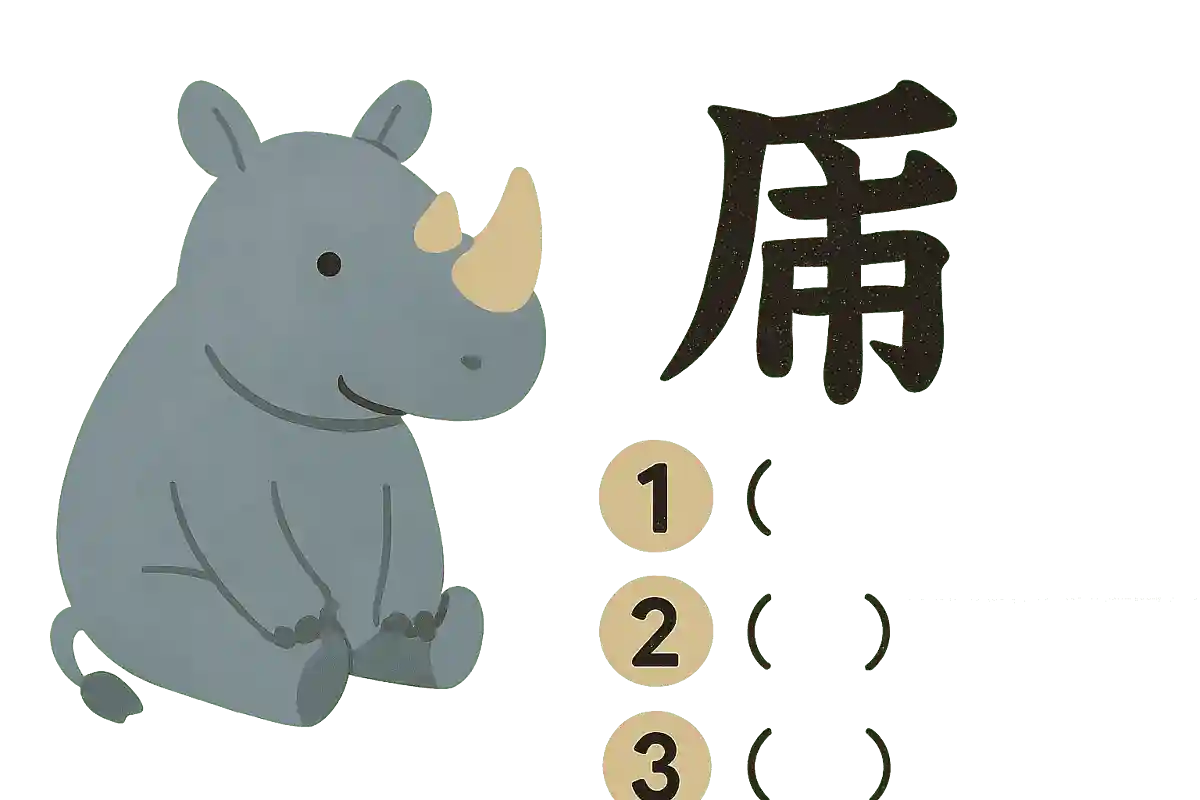
- age; year(s) old; occasion; festival;—the meaning depends on context. Commonly, as a suffix “〜歳” means “years old,” and as “際(さい)” it means “when/on the occasion of.”
- ki
- and/so/because (sentence-connection; depends on context)
See the answer
age; year(s) old; occasion; festival;—the meaning depends on context. Commonly, as a suffix “〜歳” means “years old,” and as “際(さい)” it means “when/on the occasion of.”
The kanji 犀 is read as “sai.” It refers to the animal known as the rhinoceros. This thick-skinned mammal is known for having a single horn and skin that looks like armor, and it is commonly written in katakana.
giant flying squirrel
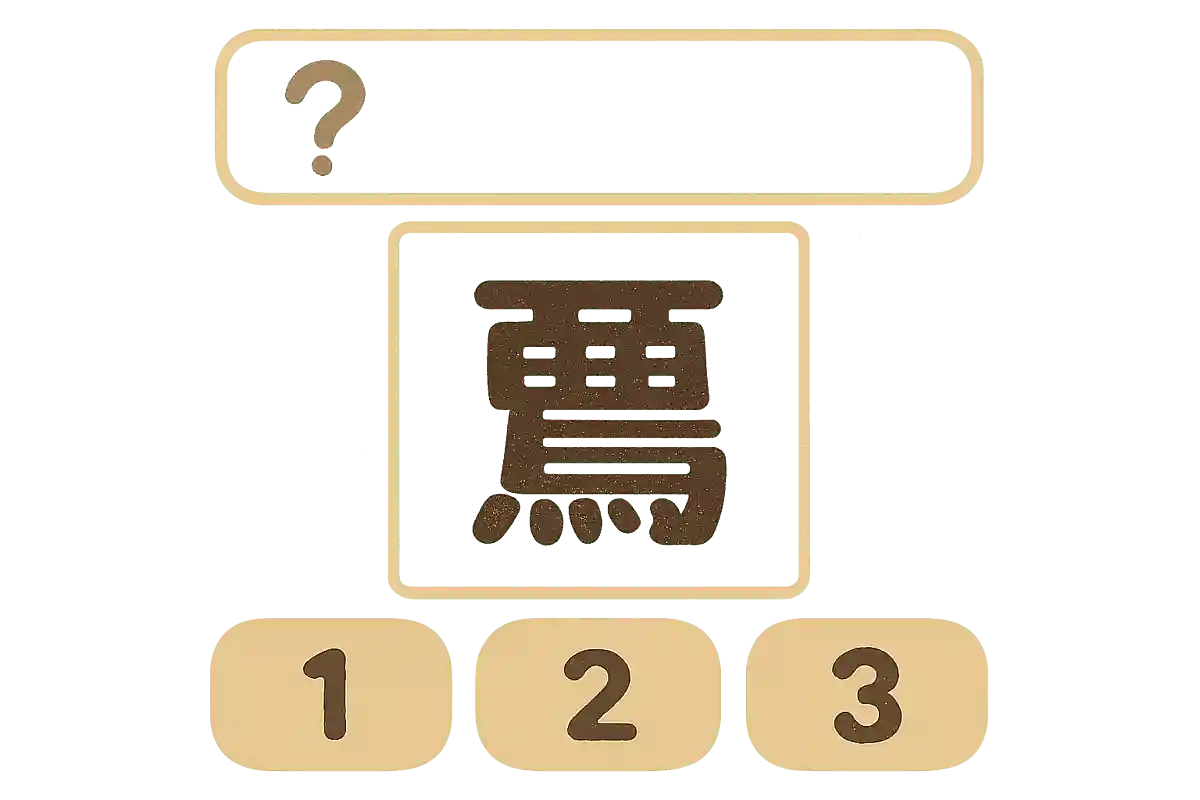
- catfish
- Japanese dwarf flying squirrel
- squirrel
See the answer
Option 2
The Musasabi (Japanese giant flying squirrel) is a small, nocturnal mammal adept at climbing trees, and species with large membranes are known for gliding from tree to tree. It is herbivorous, preferring foods such as acorns, cypress cones, and leaves, and can be found in Japan.
thistle
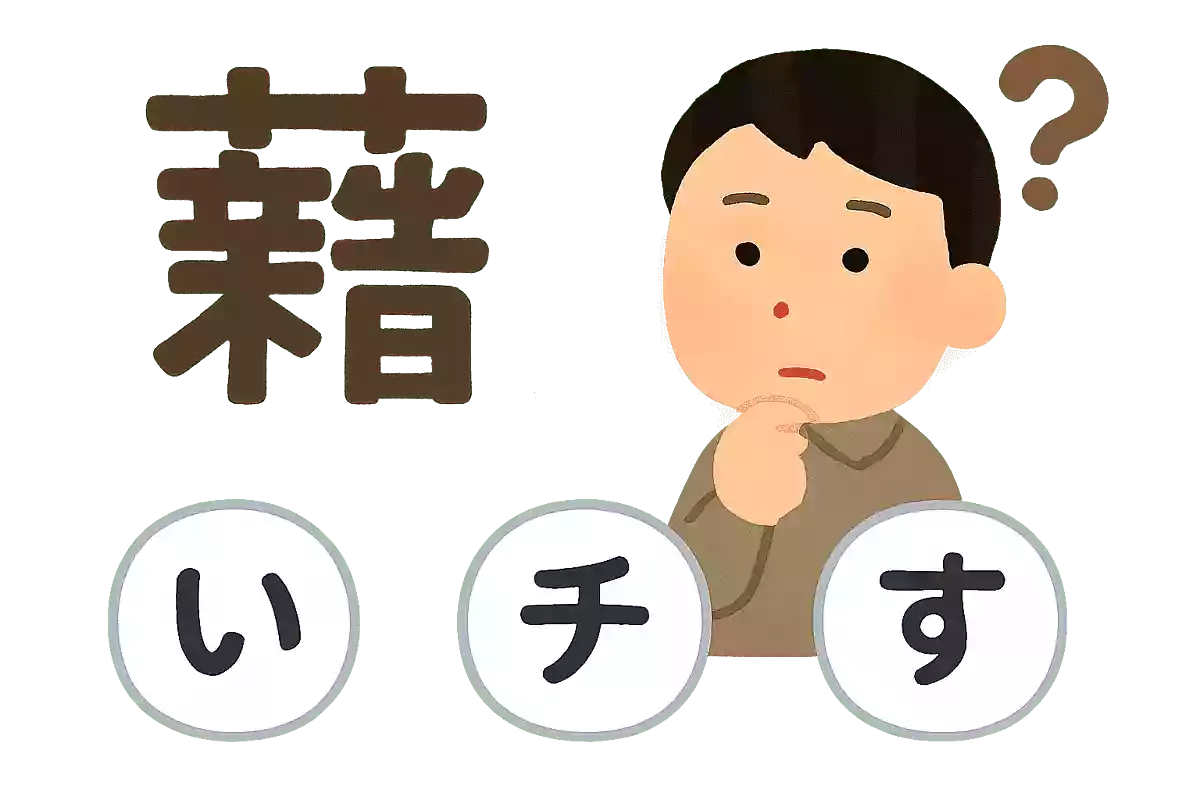
- thistle
- thorn
- Ony Azami
See the answer
thistle
The correct reading of 薊 is “azami.” This kanji most often refers to the plant known as azami; it is sometimes also called “nogeshi,” but the common reading is “azami.” Azami bears purplish flowers and is characterized by its spiky appearance.
One-character obscure kanji quiz: three-choice questions to learn difficult kanji readings (11–20)
Chinese chives
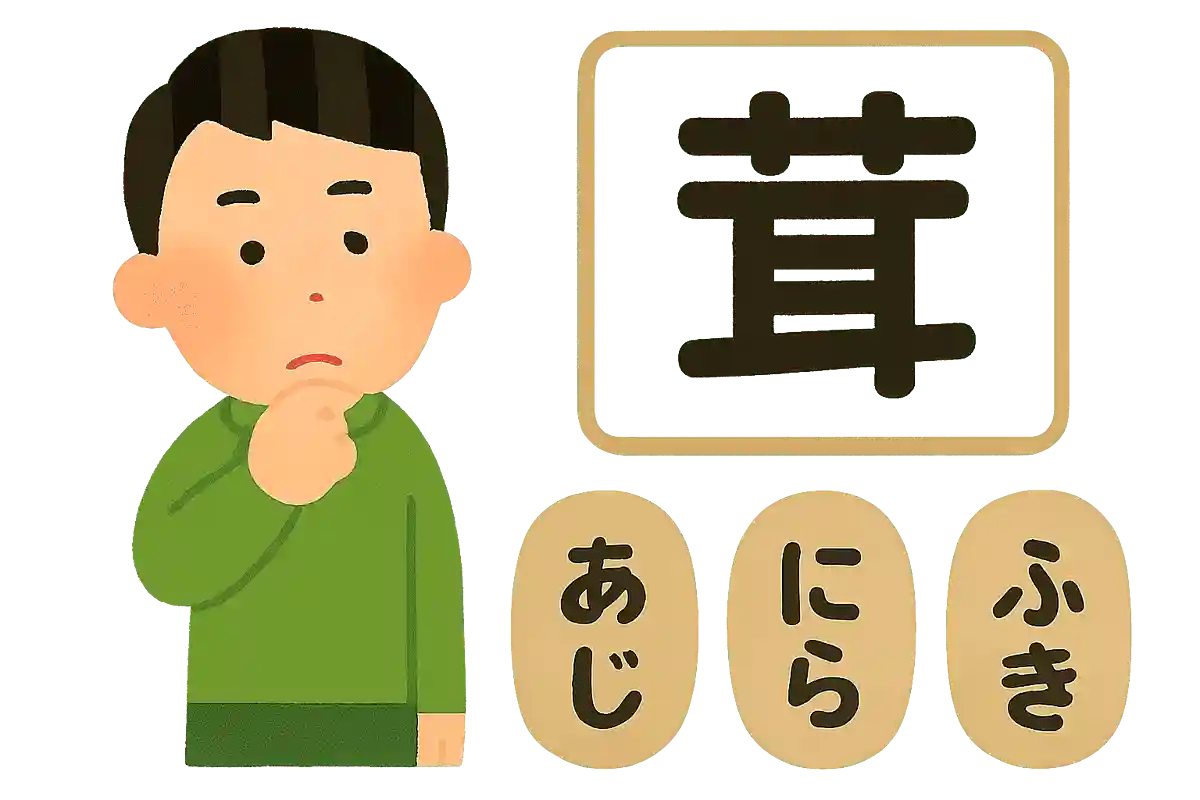
- garlic chives
- gyu
- kyuu
See the answer
garlic chives
The correct reading of 韮 is “nira.” It is a plant classified in the onion family, and its leaves are used in cooking for flavoring and color. It is a perennial of the lily family, and the description conveys the appearance of grasses clustering on the ground.
thrush
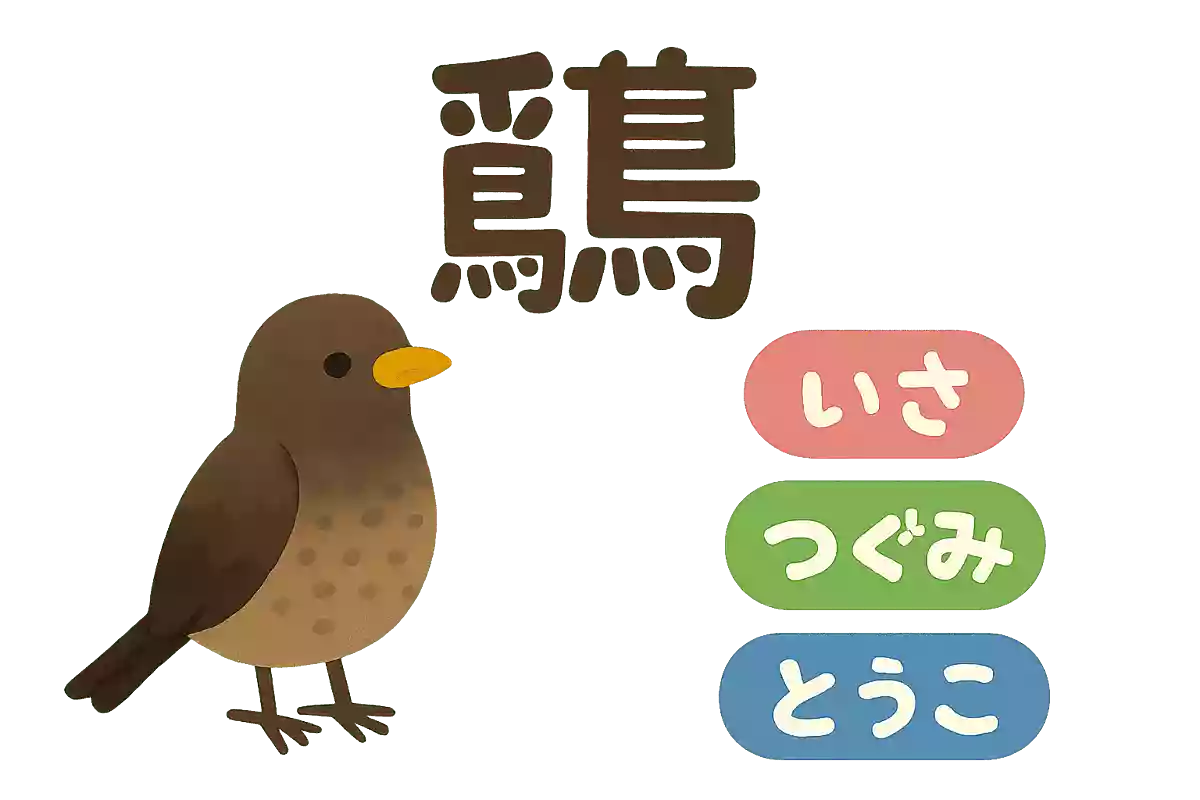
- thrush
- drenched; soaking wet
- bird
See the answer
thrush
Tsugumi is read as “tsugumi.” Compared to kanji that represent other birds like cranes (tsuru) or hawks (taka), it is less common and is especially used in classical Chinese-style poetry. In Japan, it is a creature that can be seen in regions without snowfall during winter.
dawn
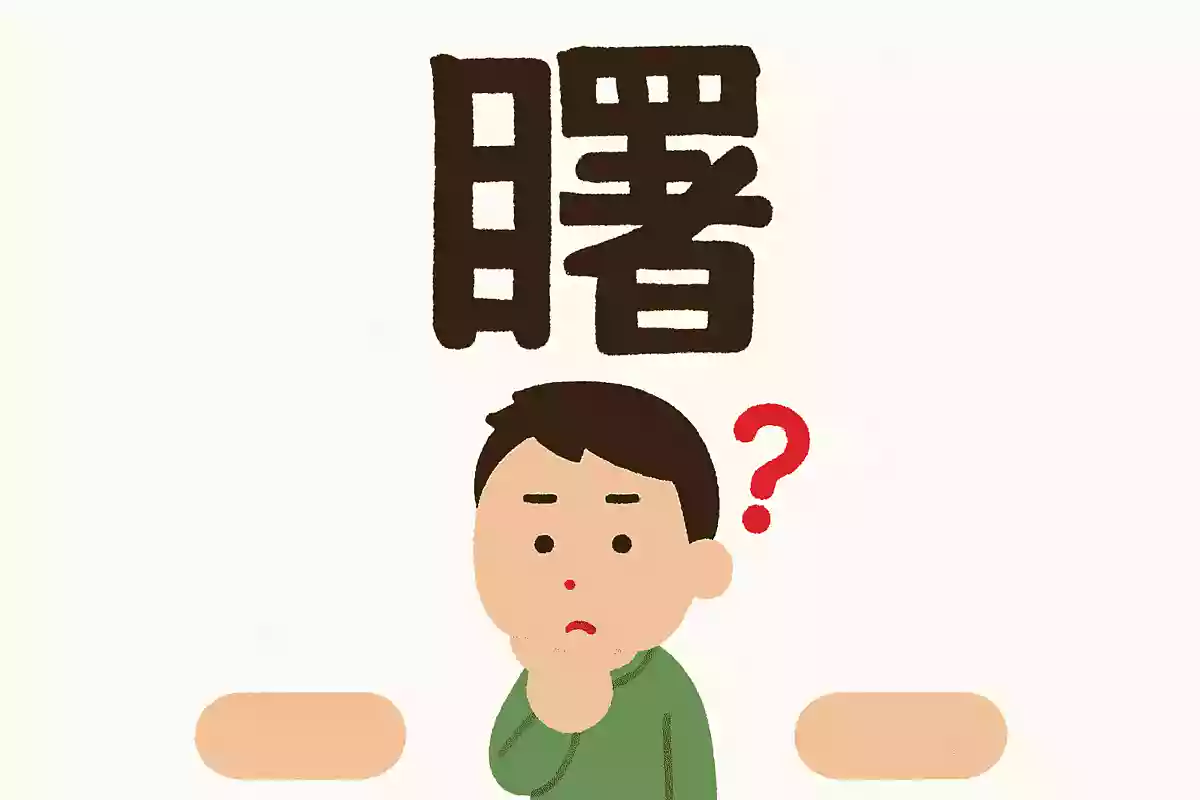
- dawn
- sho
- dyeing
See the answer
dawn
The kanji 曙 is read as “akebono.” It refers to the faint light before dawn, especially the time just after night breaks when the eastern sky begins to brighten. It is a term often used in classical literature and is considered somewhat difficult to read in modern times.
Otter
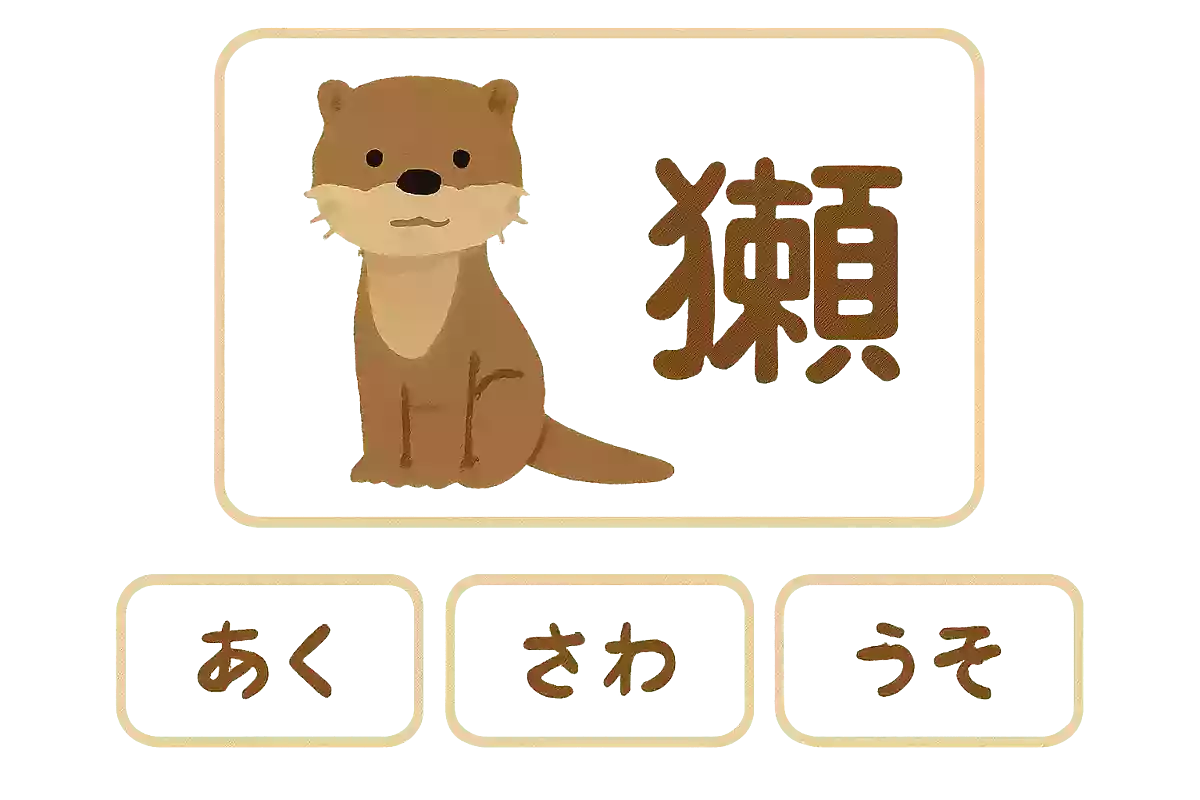
- otter
- taira
- fish
See the answer
otter
The correct reading of the character 獺 is “kawauso.” This kanji refers to the otter, a mammal that lives in rivers and has a body adapted to an aquatic lifestyle; because of its cute appearance, it is often described with affection.