


There are many kanji characters that are hard to read at first glance.
Some of you may want to learn or memorize the readings of difficult kanji.
In this article, we’ve collected single-character kanji that are considered difficult.
It can be helpful to use radicals as hints or to think from the shape of the character.
Many of these kanji are rarely seen in daily life, so learning them will make you more knowledgeable about difficult kanji.
Be sure to try the multiple-choice quiz on tricky kanji readings!
- [Hard-to-Read Quiz] Single-character difficult kanji — including surprisingly simple ones!
- A quiz on how to read obscure kanji: words that become difficult when written in kanji.
- The world’s toughest! A collection of insanely hard-to-read kanji
- A quiz of interesting obscure kanji: characters that look easy but are hard to read
- How many can you read? A quiz on difficult kanji for foods
- Can You Read These? Quiz on Kanji with Many Strokes
- Obscure fish kanji. Can you read them?
- [Interesting] Summary of Kanji Reading Quiz Questions
- [For Elementary School Students] Country Names in Kanji Quiz. A quick, fun quiz
- [For Seniors] Fun and Exciting! Difficult Kanji Quiz
- [Challenging] General Knowledge Quiz Compilation: Difficult and Interesting Multiple-Choice Questions (3 Options)
- Learn by Playing! Recommended Games with a Kanji Theme
- Hard to get right on the first try! A quiz you’re guaranteed to get tripped up by.
One-character obscure kanji quiz: 3-choice questions (1–10) to learn the readings of difficult kanji
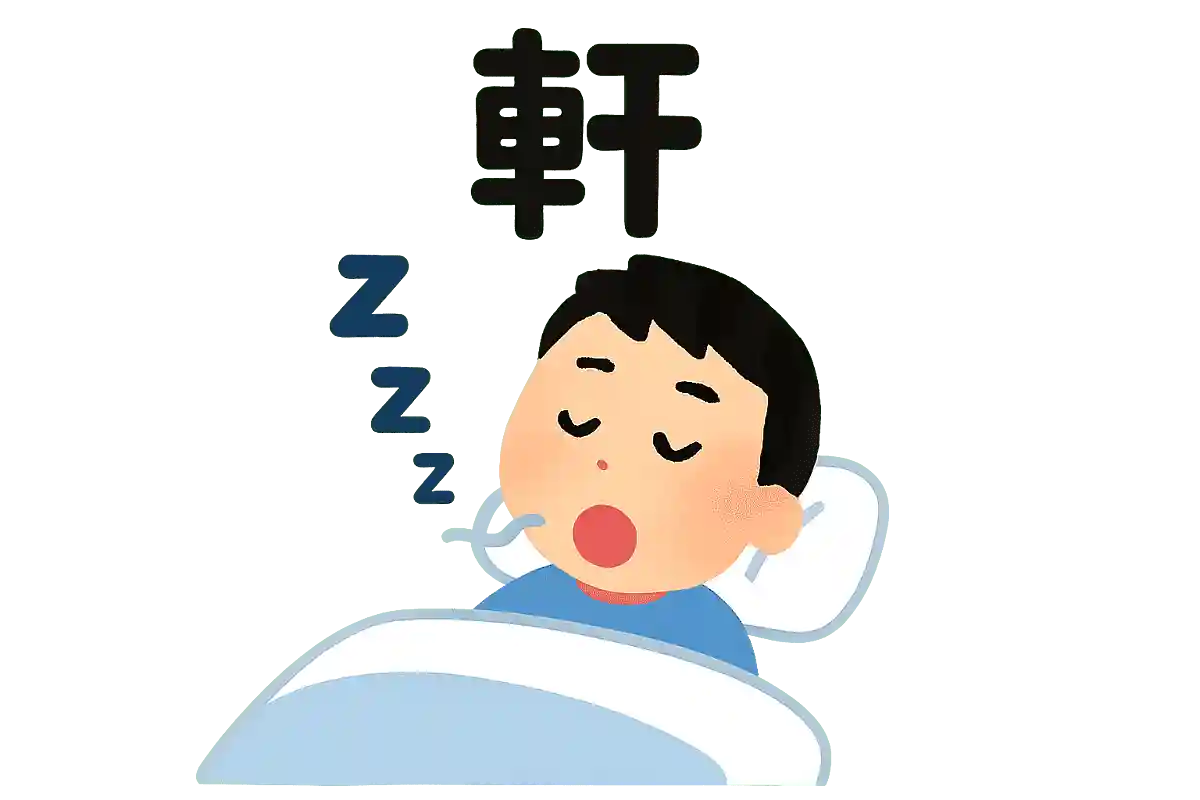
snoring
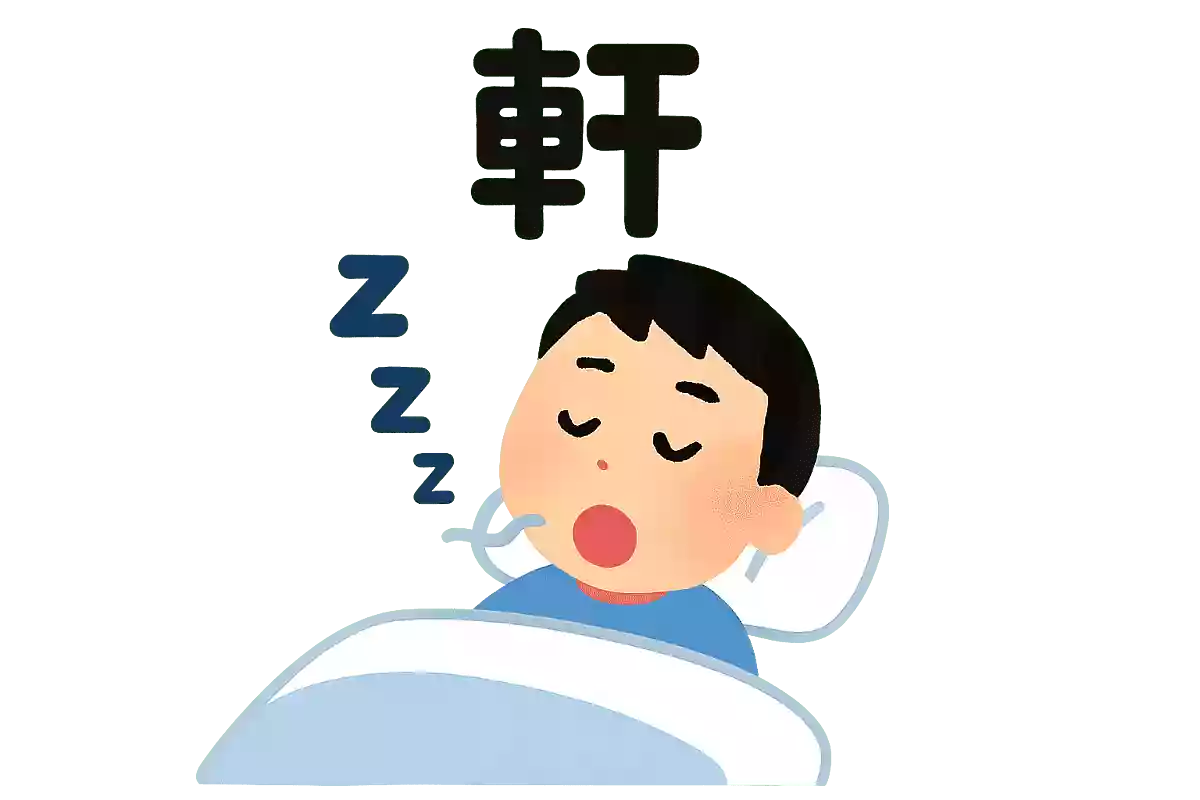
- nasal breathing; sniff; sniffle; breath from the nose
- snoring
- sneeze
See the answer
snoring
The correct reading of 鼾 is “ibiki.” 鼾 refers to the sound produced during sleep when the airways in the nose and throat narrow and the airflow becomes turbulent, and it is used to describe the act or phenomenon of making that sound (snoring).
hail (small hailstones), graupel
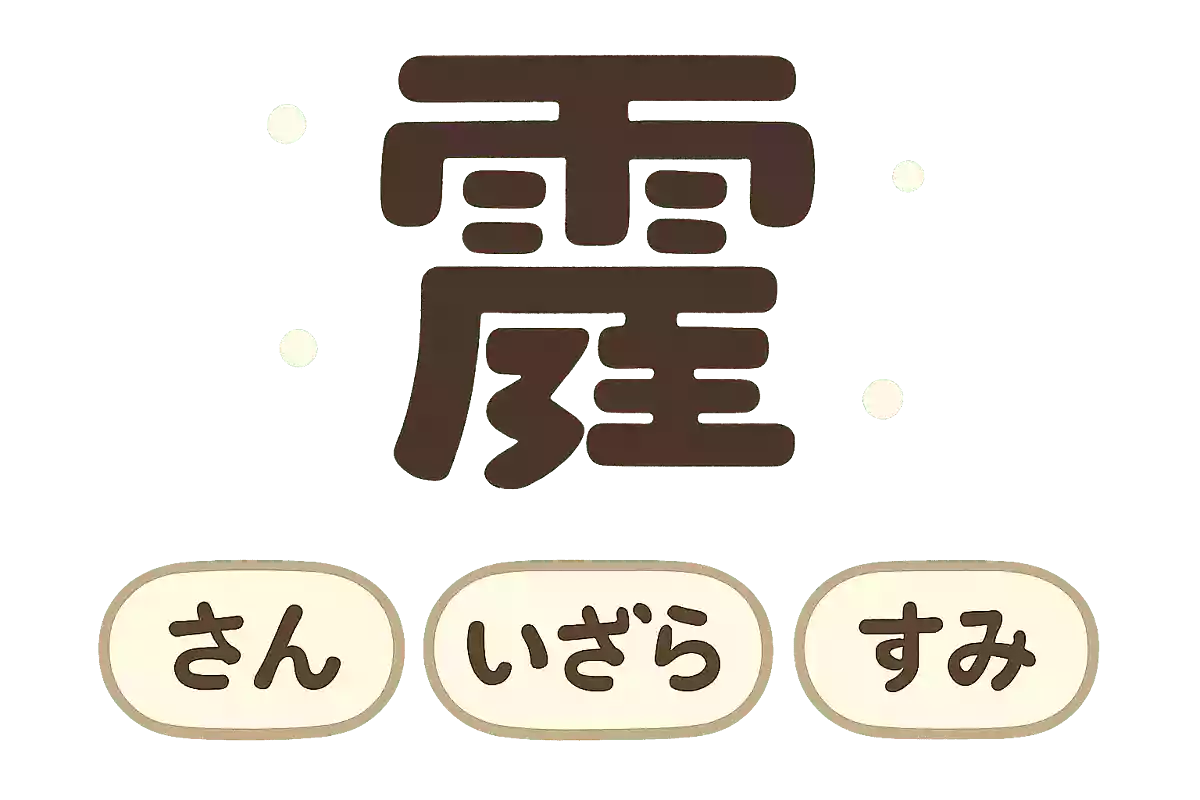
- hail (small hailstones)
- frost
- soba
See the answer
hail (small hailstones)
Arare is pronounced “arare.” It refers to a precipitation phenomenon in which granular snow or ice pellets fall. In Japanese, it is called “arare” or “kōsamu” (ice rain). It often occurs due to sudden cold snaps in early spring and is one of the scenes that particularly evoke the feeling of the spring season.
sleet
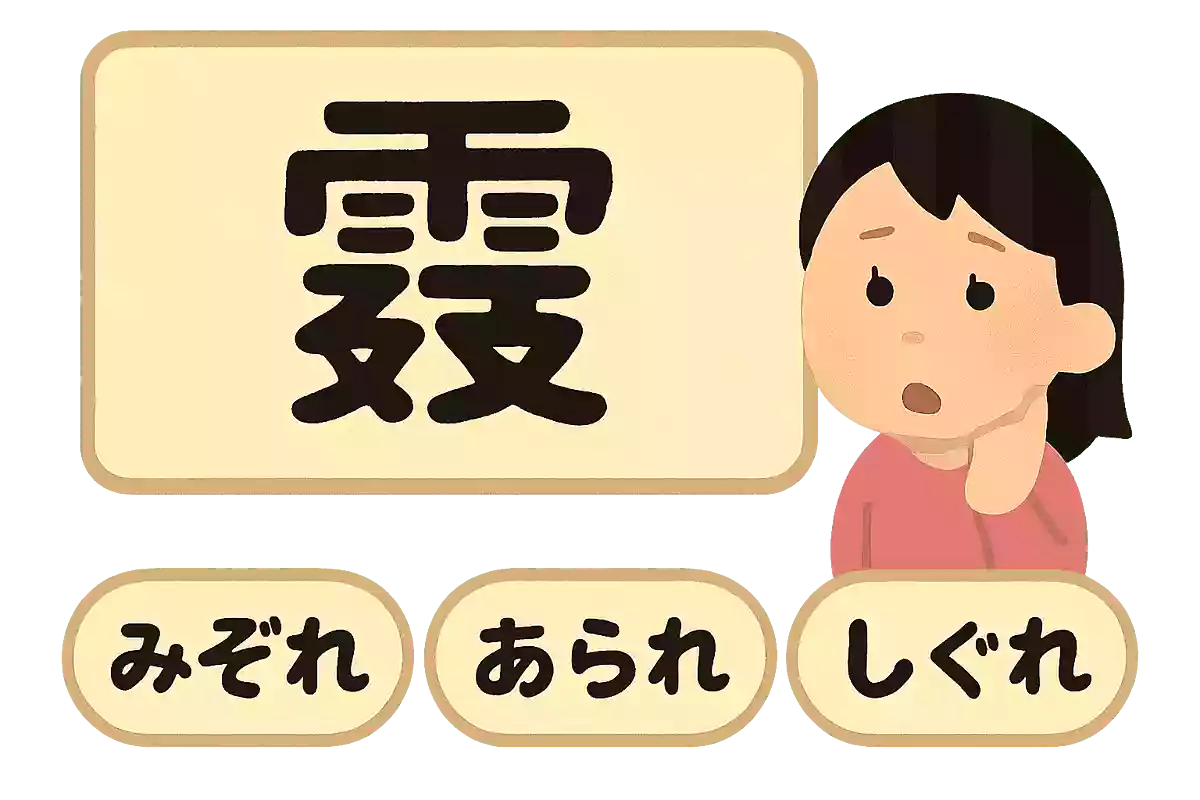
- ei
- sex; gender; cause; fault; height; stature; (depends on context)
- sleet
See the answer
sleet
Sleet is a weather term that refers to precipitation that is a mix of ice and rain—something intermediate between rain and snow. It occurs on days with low temperatures, such as in early spring, and describes small ice pellets falling from the sky that contain rainwater.
leech
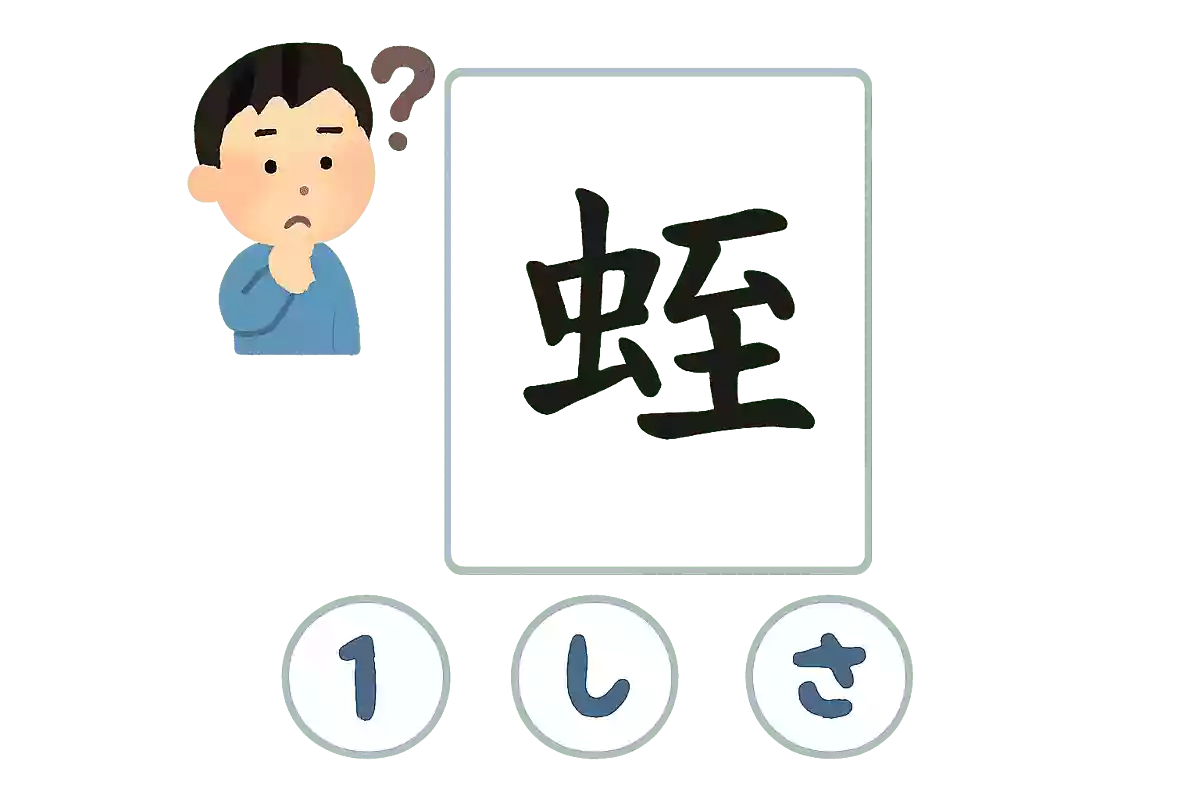
- noon
- building
- sly; cheating; unfair (informal)
See the answer
noon
The word 蛭 is read as “hiru.” Leeches are bloodsucking parasites that live in water or damp places, and it is known that they were historically used in medicine. They are also famous for secretly sucking human blood during mountain hikes.
oar

- shellfish
- tomo
- ai
See the answer
shellfish
KAI is read as “kai.” This kanji refers to the tool used to paddle water in boats or canoes—in other words, an oar. It is widely known for being used as a tool to obtain propulsion for a vessel through human power.
plane (woodworking tool)

- kanna
- only
- file (a tool for smoothing) / sandpaper
See the answer
kanna
Kanna is pronounced “kanna.” It’s one of the carpenter’s tools, used to shave and smooth the surface of wood. In Japan, as well as in China and Europe, there are many types of kanna, and they are used according to their specific purposes.
gargling
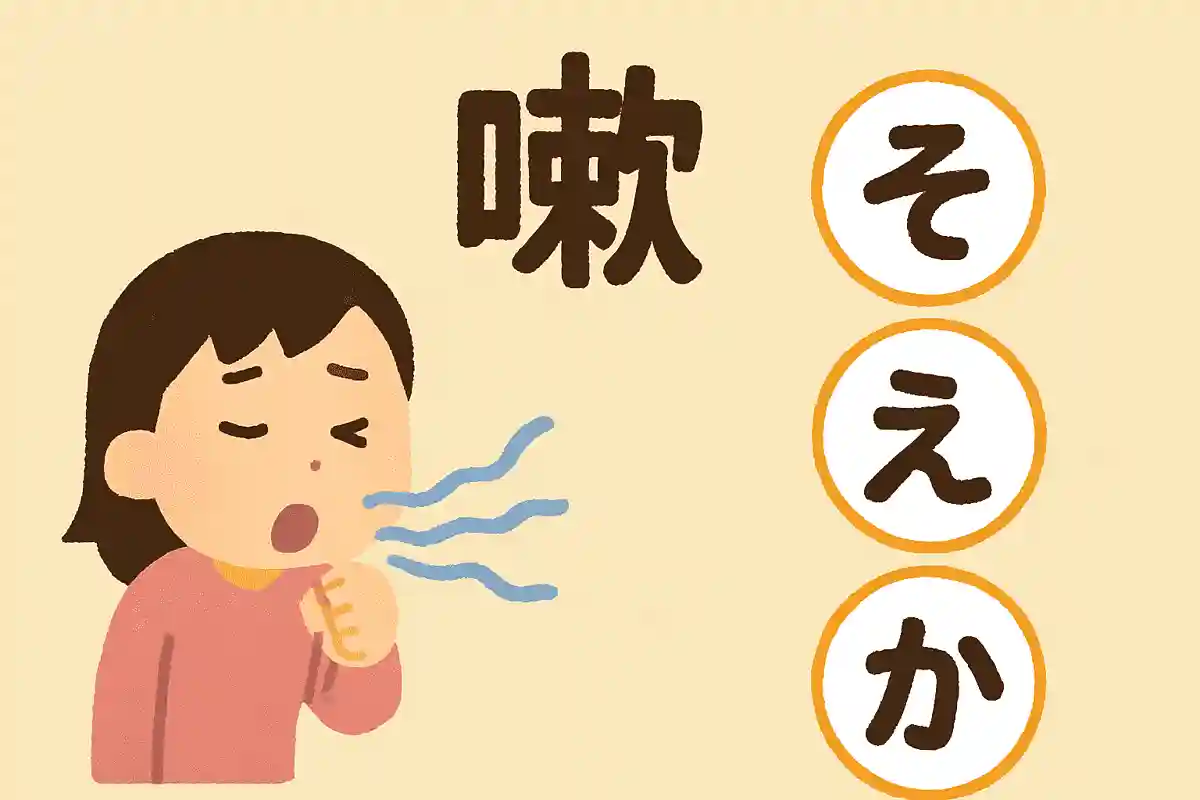
- I see
- gargling
- Rinse
See the answer
gargling
The character 嗽 is read as “ugai.” It refers to the act of rinsing the mouth with water or a medicinal solution, performed for health and hygiene reasons. Because this character is not frequently used in daily life, it is considered a difficult-to-read kanji, despite representing a simple action. In Japan, the common term for rinsing the mouth is “ugai,” and it is often used when referring to this practice, especially in the context of preventing colds during the winter.