

[For 4th Graders] Fun Independent Research Ideas You Can Do With Everyday Materials

Many fourth graders are probably struggling to choose a summer break independent research topic that’s “fun but not too difficult.” In fact, you can create a project that makes your friends say “Wow!” using simple experiments and crafts with everyday materials.
Here, independent research pros introduce exciting ideas you can dive into, like a shiny coin experiment with 10-yen pieces, making kohakutou (amber sugar candy), and crafting hydrangeas.
Plus, everything from preparation to record-keeping is explained carefully, so you can take on the challenge with confidence.
Find a special independent research project that will become a lasting summer vacation memory!
- DIY science projects that elementary school boys will love: ideas you can make with everyday materials
- Simple and cute summer project crafts! A collection of ideas for girls that will make you want to create
- Recommended for elementary school students! Science fair topics & craft ideas
- Simple yet amazing crafts: craft ideas that elementary school students will want to make
- Recommended for elementary school students' independent research! Experiment and observation ideas using everyday materials
- [For Kids] Today’s Handmade Craft Ideas
- Simple but awesome! Craft ideas for upper-grade girls
- [Middle School Students] Easy One-Day Science Projects and Crafts Ideas
- Recommended Independent Research Projects for 5th Graders [Elementary School Students]
- Craft ideas using plastic bottle caps [for boys]
- Recommended for Elementary Students! A Collection of Fun Craft Ideas for 4th Graders
- Recommended for 4th graders! A collection of easy self-study ideas to try
- Amazing discoveries with everyday materials! Fun summer vacation independent research ideas
[4th Grade] Fun Independent Research Ideas (11–20) You Can Do with Everyday Materials
I tried making a sword.

Japanese swords are highly regarded overseas for their beauty.
They are especially appealing to people interested in Japanese culture, history, and the samurai spirit.
How about making a sword filled with Japanese tradition as an independent study project? By finding a workshop like the one in the video that produces various replica swords and creating one together under the guidance of a craftsman, you can have a truly authentic experience.
The finished piece has great presence, making it perfect for display! If you’re interested, definitely give it a try!
Surprisingly addictive study of shapes

Here’s a great recommendation for anyone looking for an independent research project that blends learning with fun! How about studying shapes? Shapes are everywhere in daily life—origami, buildings, even sweets—so they feel familiar, and engaging with them in a playful way can help overcome anxiety about math and build confidence.
In your research, it’s important to narrow down your theme and explore it in depth, and to actually see, touch, and experience things firsthand.
Use the videos as a reference, find a topic that interests you, and give it a try!
Palm-sized ocean diorama

Let’s try making a diorama that captures a summer scene.
It’s palm-sized, so you won’t have trouble finding a place for it, and it’s easy to bring to school.
Prepare a container you like, apply glue to the bottom, and lay down paper clay.
Use sand, powdered pastels, and resin to create the beach and the sea.
Add stones and moss, place parts made from paper clay, and you’re done.
You can depict any landscape you like, so try making it while recalling the fun things you did during summer vacation.

Water and Oil Experiment

Here’s an experiment with water and oil that transforms into mysterious water.
Gather a bottle, small figurines, salt, oil, and food coloring.
After putting salt and oil into the bottle, add a small figurine and begin the experiment.
See how the figurine floats in salt water, and compare it with plain water to observe what state the figurine is in—these comparisons can lead to new discoveries that elementary school students will enjoy.
It’s also interesting to see what happens when you mix water and oil.
Try coloring the water and get creative as you enjoy your independent science project!

Let’s make a flute

As a one-day science project, here’s a fun idea for making a simple flute.
Since this involves using fire, be sure to work with an adult.
Prepare three thick straws and flatten one end of each.
Use a lighter to gently heat the flattened end, then pinch the melted section with a clip to seal it.
After making all three the same way, blow into them—you’ll hear a flute-like sound.
The pitch changes with the length of the straws, so adjust them to create the scale you like.
Let’s make a carbonated bath.

Carbonation, known for its fizzy sensation and often associated with drinks, is an ingredient that brings a refreshing feeling during hot summers.
Let’s turn that carbonation into a bath and experience the fizz all over your body.
We’ll use baking soda and citric acid, leveraging the reaction that produces carbon dioxide when these two components are mixed with water.
The procedure is to mix baking soda with water in the tub beforehand, then, while you’re in the bath, add water in which citric acid has been dissolved.
The release of carbon dioxide subsides quickly, so it’s important to focus on the sensation to document it in your report.
Also, try different ratios that generate more carbon dioxide, and experiment with formulations that won’t irritate the skin.

[4th Grade] Fun Independent Research Ideas (21–30) Using Everyday Materials!
Puru-Koro Soap
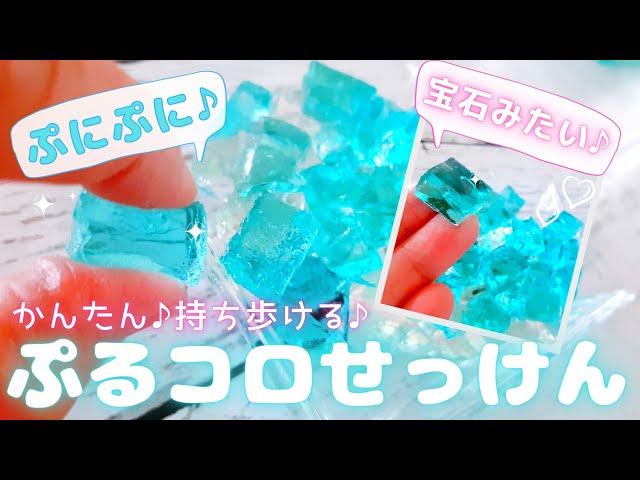
It’s like a jewel! Let me show you how to make cute, jiggly soap.
You’ll need liquid hand soap, gelatin, hot water, and food coloring.
Dissolve the gelatin in hot water, then mix in the liquid hand soap.
The trick is to stir slowly so it doesn’t foam.
Add food coloring, pour into a flat container, and chill in the refrigerator for 1–2 hours.
Then just cut it into your favorite shapes and you’re done! It looks adorable and might make handwashing more fun.
Just be careful to prevent small children from accidentally swallowing it.