

Recommended for 5th graders! A collection of easy self-study ideas you can enjoy while learning

When fifth graders are told to do independent study, it can be hard to know what to do, right?
First, try to find something you’re interested in.
When you learn about something you like, you can keep it up and have fun.
Here, we’ve collected simple ideas for independent study that can lead to surprising discoveries by learning a little every day.
Try using different methods like materials and books, or videos.
Learning together with friends or family can make it even more enjoyable.
Learning can open up new worlds and lead to new discoveries.
Make the most of what you’ve been interested in so far, and try some fun independent study!
- Recommended for 6th graders! A collection of easy self-study ideas you can enjoy while learning
- Recommended for 3rd graders! A collection of easy self-study ideas you can try
- Recommended for 4th graders! A collection of easy self-study ideas to try
- Self-study that impresses your teacher! Recommended science self-study ideas for 5th graders
- [5th Grade Elementary School] Independent Research Themes & Crafts | A Collection of Ideas That Lead to Learning
- Recommended Independent Research Projects for 5th Graders [Elementary School Students]
- Recommended for elementary schoolers! A fun collection of craft ideas for 5th graders
- Self-directed study that impresses your teacher! Recommended independent science study ideas for 6th graders
- For 6th Graders: Unique and Fun Ideas for Independent Research Projects
- Independent study that impresses your teacher! Science self-study ideas recommended for third graders
- [For 4th Graders] Fun Independent Research Ideas You Can Do With Everyday Materials
- [For 2nd Graders] Make it with everyday materials! Irresistibly engaging ideas for independent research projects
- Self-study that teachers will praise! Recommended independent science study ideas for 4th graders
Recommended for 5th Graders! A Collection of Easy Self-Study Ideas You Can Enjoy (91–100)
Make an electromagnet and investigate its properties
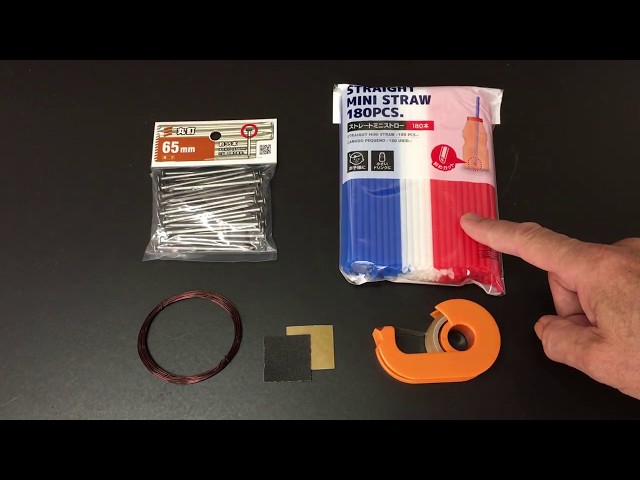
In 5th grade, you’ll likely learn about electromagnets at school.
For your summer break independent project, try making an electromagnet yourself and use it to investigate its properties.
An electromagnet works by making a coil with enameled wire and running an electric current through it to generate magnetic force.
It would be good to test various conditions—such as the number of turns in the coil, what you place as the core inside the coil, increasing the number of batteries or changing how they are connected—and compile a report on how the magnetic strength changes.

Observing various things under a microscope

It’s also fun to observe various things with a microscope.
First, try looking at whatever comes to mind under the microscope.
You might find it more engaging to examine familiar items, like your own hair or snacks you usually eat.
Just observing is fine, but digging deeper and doing a bit of research makes it even more interesting.
Compare, for example, a guardian’s hair or different kinds of snacks.
Then think about why they’re different.
By the way, microscopes for children can be purchased for around 2,000 yen.

Recommended for 5th Graders! A Collection of Easy Self-Study Ideas You Can Enjoy (101–110)
Paper chromatography

Chromatography refers to a method for separating mixtures, and paper chromatography is a type of chromatography that uses water and filter paper.
Although chromatography might sound like a formal chemistry experiment, it’s actually easy to try as a hands-on science project.
One simple activity is to use paper chromatography to separate the inks of water-based pens.
Water-based pen ink is made by mixing various colors; for example, when you separate green ink, you can see that it’s composed of multiple colors.
The method is simple: color a coffee filter with a water-based pen, then dip it in water and leave it.
The ink will separate as if it’s bleeding, revealing which colors were mixed.
Try separating and observing different colors, or investigate whether the mixture of colors differs between brands even for the same ink color.
masking tape art

Drawing pictures is a classic choice for independent study projects and crafts.
Simply drawing is fine, but let’s add a little twist to make your artwork more eye-catching.
Masking tape is highly recommended for that.
There are many kinds of masking tape, so you can create a wide variety of pictures.
Start by making a rough sketch, then gather masking tapes that match your design.

Observation of Rivers and Landforms

The actions of flowing water—erosion, transportation, and deposition—are expressed as landforms around rivers.
For example, deltas, which are often seen near river mouths, are landforms created by deposition.
Using the internet, books, or maps, investigate places where these landforms can be found, then visit them to observe directly.
If you take photos and also record surrounding conditions—such as the river’s shape and how the water flows—you may discover patterns you hadn’t noticed before and deepen your understanding of how flowing water works.
Factory Tour Report

Wouldn’t it be great to visit somewhere you can’t usually go and have it help with your independent research? With that in mind, here’s an idea: a factory tour report.
First, look into factory tours that interest you.
Even among well-known candy and ice cream manufacturers, there are several factories you can tour.
You could observe and summarize the production process, dig deeper to explore the secrets behind the delicious taste, or even try recreating it yourself.
Many factories also have hands-on activity areas, so you can make use of those as well.
Check food labeling

In fifth grade, students learn about food labeling in home economics.
Food labeling refers to the information on the packaging of commercially sold foods, such as ingredients, best-before dates, use-by dates, and nutrition facts.
Observe the labels on foods around you and list what information is provided.
Then, put together a report on various aspects of food labeling, such as whether there are differences between labels on fresh foods and processed foods, what the difference is between best-before and use-by dates, and what kinds of food additives and allergen information are listed.