

Recommended for 5th graders! A collection of easy self-study ideas you can enjoy while learning

When fifth graders are told to do independent study, it can be hard to know what to do, right?
First, try to find something you’re interested in.
When you learn about something you like, you can keep it up and have fun.
Here, we’ve collected simple ideas for independent study that can lead to surprising discoveries by learning a little every day.
Try using different methods like materials and books, or videos.
Learning together with friends or family can make it even more enjoyable.
Learning can open up new worlds and lead to new discoveries.
Make the most of what you’ve been interested in so far, and try some fun independent study!
- Recommended for 6th graders! A collection of easy self-study ideas you can enjoy while learning
- Recommended for 3rd graders! A collection of easy self-study ideas you can try
- Recommended for 4th graders! A collection of easy self-study ideas to try
- Self-study that impresses your teacher! Recommended science self-study ideas for 5th graders
- [5th Grade Elementary School] Independent Research Themes & Crafts | A Collection of Ideas That Lead to Learning
- Recommended Independent Research Projects for 5th Graders [Elementary School Students]
- Recommended for elementary schoolers! A fun collection of craft ideas for 5th graders
- Self-directed study that impresses your teacher! Recommended independent science study ideas for 6th graders
- For 6th Graders: Unique and Fun Ideas for Independent Research Projects
- Independent study that impresses your teacher! Science self-study ideas recommended for third graders
- [For 4th Graders] Fun Independent Research Ideas You Can Do With Everyday Materials
- [For 2nd Graders] Make it with everyday materials! Irresistibly engaging ideas for independent research projects
- Self-study that teachers will praise! Recommended independent science study ideas for 4th graders
Recommended for 5th Graders! A Collection of Easy, Fun Self-Study Ideas (11–20)
String art
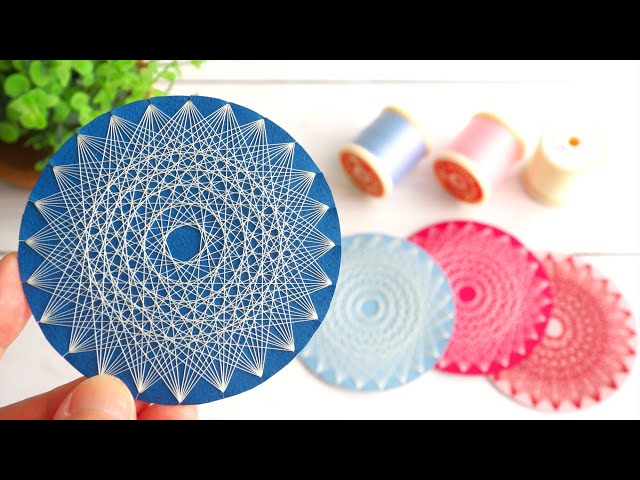
String art that spreads into beautiful petal-like patterns.
Traditionally, you need to hammer nails into a board to make it, but there’s an easy method you can try using paper by making small cuts.
After drawing evenly spaced lines on a circular piece of thick paper, align it with construction paper and cut them together.
If you write numbers on the cut sections, you can work without mixing up the order.
Hook the thread in sequence toward the cut opposite each number, and once you’ve gone all the way around, cut the thread.
From the second round, change the thread color and shift the starting position by one notch.
Repeat this process until the threading is complete, then attach construction paper to the back to finish.

Research brimming with love for Dragon Ball

I think it would be fun to choose Dragon Ball, an anime that’s extremely popular with kids, as the theme for an independent research project! Dragon Ball is loved by a wide range of generations, from children to adults.
You could count the sound effects that appear in the manga, present them with graphs and numbers, and note how many times the same sounds are used.
It might also be enjoyable to think about how powerful the Kamehameha is, or to research how nutritious senzu beans are.
Over the long summer vacation, incorporating something you’re interested in into your independent research could help deepen your knowledge.

Three-dimensional sculpture made with wire and aluminum foil

Let’s make the most of pliers! Here are some ideas for creating three-dimensional artworks using wire and aluminum foil.
By the upper grades, you can use a variety of materials and tools properly and safely, right? This time, let’s try a 3D sculpture by arranging wire and aluminum foil with pliers.
It’s recommended to decide on a theme before you start, but it can also be fun to expand your ideas by comparing accidental shapes with the images in your mind.
If you insert the pieces into styrofoam, they’ll be easier to display!
plastic bottle rocket

Another classic for independent research projects is the plastic bottle rocket, which I highly recommend.
Not only is the building process fun, but launching it is thrilling, too.
By the way, there are craft kits for plastic bottle rockets available for purchase, so you can make one easily.
After you finish, try thinking creatively about how to make it fly farther.
One of the appeals of plastic bottle rockets is that you can experiment freely.
Try various methods, like using carbonated water instead of regular water.

10 Summer Kigo That Are Easy for Elementary School Students to Use

Easy to visualize! Here are 10 summer kigo (seasonal words) that are easy for elementary school students to use.
In haiku there’s a rule to include a kigo, but many people may feel, “I can’t even imagine which seasonal words to use,” or “Examples of kigo would make it easier to compose haiku.” These ideas present 10 summer kigo that are simple enough for elementary schoolers to use when you need them.
The video also introduces their origins along with examples, so it looks like you can deepen your learning too! Be sure to give them a try.
Fizzy Ramune Experiment

Why not try making fizzy ramune tablets for your summer break science project and enjoy their colors and sounds when dropped into water? After thoroughly mixing ingredients like powdered sugar, cornstarch, and food-grade citric acid, add food coloring to make them visually fun.
Press the mixed dough with two spoons to shape it just right.
Let them dry for about half a day to finish the ramune.
When eaten, they fizz in your mouth, letting you experience the curious chemical reaction of carbonation.
It’s a safe project even for children, using the carbon dioxide produced by the reaction between lemon juice’s acid and baking soda.
You can boost originality by changing the colors and flavors.
It’s a great idea for learning chemistry with familiar materials.
Recommended for 5th Graders! Fun and Easy Independent Study Ideas (21–30)
Let’s learn about sugar crystallization while making canelés.

Let’s make an experimental piece using a canelé mold for sweets.
Put powdered gelatin into a container filled with water and heat it in the microwave.
After heating, add sugar, color it with edible food coloring, and heat it in the microwave again.
Pour it into the canelé mold, and once it sets, remove it from the mold.
Your beautiful, colorful sugar canelés are ready.
At first, they look jiggly, but after a week, the sugar crystallizes and they turn into sparkly, crystal-like pieces.
You can enjoy watching the sugar change over time.
