

Recommended for 5th graders! A collection of easy self-study ideas you can enjoy while learning
When fifth graders are told to do independent study, it can be hard to know what to do, right?
First, try to find something you’re interested in.
When you learn about something you like, you can keep it up and have fun.
Here, we’ve collected simple ideas for independent study that can lead to surprising discoveries by learning a little every day.
Try using different methods like materials and books, or videos.
Learning together with friends or family can make it even more enjoyable.
Learning can open up new worlds and lead to new discoveries.
Make the most of what you’ve been interested in so far, and try some fun independent study!
Recommended for 5th graders! A collection of simple self-study ideas that are fun to do (1–10)
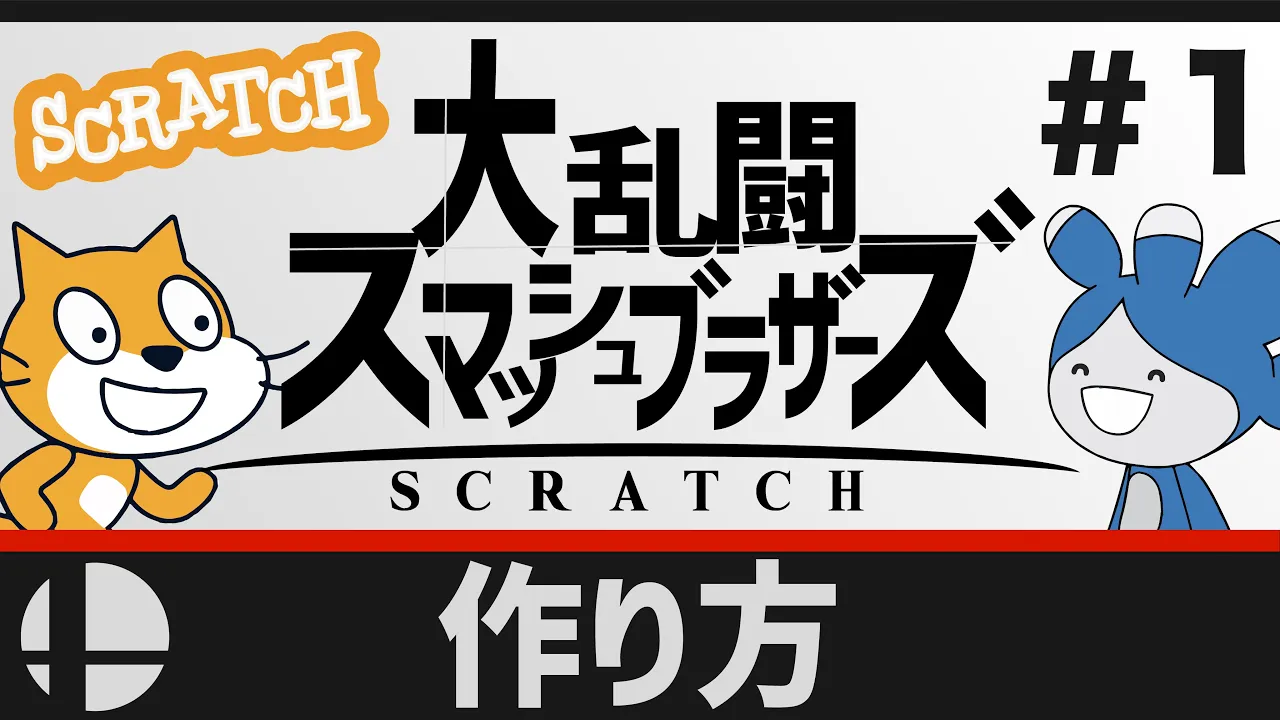
Self-made game in Scratch

Scratch is a game creation tool that makes it easy to give children opportunities to learn programming.
It’s free to use and runs in the browser—why not make game development your independent research project theme? Choose a game stage from a wide variety of backgrounds and give the stage a name by changing the costume name.
After creating three costumes for the stage, use a new message to set up character selection.
Prepare a character from “Choose a Sprite” and rename it.
By duplicating and modifying the code you create, you can experience programming.
With intuitive drag-and-drop operations, it’s a tool that helps you learn how to use a computer and how to make games.

Handmade claw machine

Crane games that let you grab candy, plush toys, and figures are popular with kids.
Let’s try making a homemade device so you can enjoy the excitement of “I wonder if this prize can be picked up with this arm movement…” at home.
Build the main body using cardboard or empty boxes.
Next, create the crane arm with straws or wooden chopsticks, and connect it with thread so it can move.
Prepare prizes you like, such as small toys or snacks.
By researching how crane games work as you build, you’ll also discover the fun of crafting.
This is a science project idea that’s enjoyable not only during the building process but also when you play with the completed game.
An experiment in which we made a filter

Let’s build a filtration device and try filtering different liquids! Prepare two plastic bottles: cut off the mouth of one, and cut off the bottom of the other.
Pack cotton into the mouth of the bottle with the bottom removed, cover it with gauze, and secure it with a rubber band.
Stack this bottle (the one covered with gauze) onto the bottle with the mouth cut off.
From the bottom opening, add layers in this order: small stones, gauze, activated charcoal, gauze, and small stones.
Your filtration device is complete! Try filtering muddy water, water mixed with paint, coffee, and more.
Summarize in a report what can and cannot be filtered.

plant dyeing

Kusaki-zome is a traditional technique for dyeing fabric using natural plants.
By using familiar leaves, roots, flowers, and more, you can create your own original colors, letting you enjoy learning both science and home economics at the same time.
Once you’ve prepared the fabric you want to dye and the plants to use as dye, wash the fabric thoroughly in lukewarm water.
Add protein to the fabric to perform a deep-dye (mordant) treatment, then soak the washed and dried fabric.
After carrying out a mordanting process that induces color changes through chemical reactions with metals, place the dye material in nonwoven fabric and submerge it in water.
Put the prepared fabric into the liquid, wait about 15 minutes, then rinse it well with water to finish.
Tofu making

Here’s how to make tofu, a beloved Japanese food that’s delicious both on its own and cooked.
Like a science experiment, you’ll learn why tofu solidifies while also enjoying the finished homemade tofu.
Heat soy milk in a pot to 75°C (167°F), then add nigari (magnesium chloride) and stir.
Cover and let it sit to steam for about 10 minutes, then transfer the solids into a mold lined with cloth.
Place a weight on top to remove excess moisture, then soak the block in water set in a bowl for about 20 minutes.
Your tofu is ready.
It’s also fun to make while learning that the liquid solidifies because the magnesium in the nigari binds with the proteins.
Simulated investment experience

This initiative lets children simulate stock trading and investing to deepen their interest in money.
In today’s society, where building assets for the future is emphasized and NISA contributions can be started by minors, it’s important to create opportunities for kids to learn about money.
Supporting a company is called investing, and it can be helpful to learn the meanings of terms like yen depreciation and yen appreciation through games.
Options include visiting facilities or seminars where kids can experience different jobs, or studying together as a family.
It’s also recommended to learn about investing using familiar themes for children, such as the prices of snacks and juice.
Cooking with an original recipe

By the time they’re in fifth grade, many kids handle knives well and start getting interested in cooking.
So why not try creating and making your own original recipe? First, think up a recipe that makes you say, “If I do this, it should be delicious!” and actually try cooking it.
If you summarize how the taste differed from what you imagined and what you could improve next time, it will make a great independent research project.
It’s also a good idea to grow summer vegetables in plastic bottles or planters and use them in your cooking.
If you’re using heat, be sure to work with an adult.