



Have you ever wished you could have even more fun spending time with friends and family? There are actually lots of great games you can enjoy with a group of around six people without needing a smartphone or board games! From word-based games to active, movement-based ones, and imagination-driven games, we’ve gathered options you can enjoy anytime, anywhere, without worrying about the setting.
Perfect for livening up parties and get-togethers with friends! In this article, we’ll introduce easy, no-equipment games for six people—give them a try!
- Games that get everyone excited without any equipment! A collection of simple ideas everyone can enjoy
- Fun games for five people! No props needed—ideas you can enjoy right now
- Fun for up to 10 people! A collection of easy, no-equipment games and activities
- Big fun with no props! A collection of party game ideas
- Games that get the whole family excited! A collection of ideas you can start right away with no equipment
- No props needed: games everyone can play—fun activities using only voices and gestures
- Games you can play with just conversation. Classic and popular activities you can enjoy without any props!
- Games for 4 people with no equipment needed! Fun activities you’ll want to try right now
- Party games you can play without any props! A collection of ideas everyone can enjoy together
- Games for 20 People with No Equipment Needed: A Collection of Fun Ideas That Use Your Body and Mind
- Get this excited with no props! A collection of Japanese play ideas
- Heated fun with seven people, no equipment needed! Immersive games that deepen bonds
- Games for three people with no equipment: Fun activities that get lively using only conversation and your bodies
No-Equipment Games for 6 People That Get Everyone Excited! Fun Activities You Can Play Right Now (1–10)
Birthday line

The party game “Birthday Line” has a simple rule: within a set time limit, everyone must line up in order from the earliest to the latest birthdate.
It sounds easy, but here’s the tricky part—you’re not allowed to say your birthday or your full date of birth.
Instead, you have to share clues like things that were popular when you were a kid or the season you were born in, then deduce the order and line up correctly.
The key is listening carefully and reading between the lines.
It’s a lively game that not only gets everyone excited, but also helps you get closer by learning each other’s birthdays.

Say one thing, do the opposite game
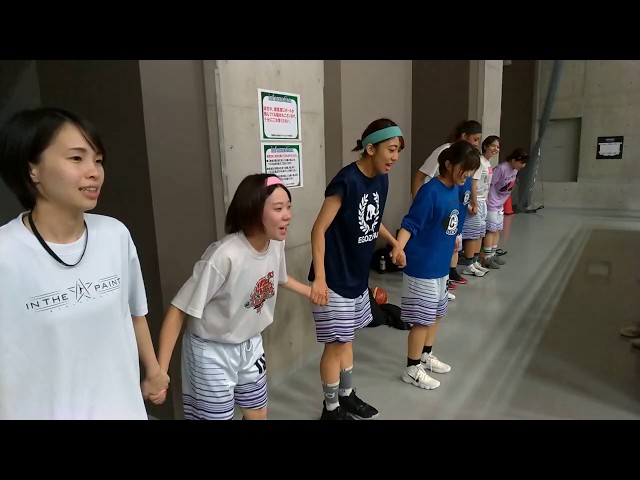
Move your head and body at the same time—“Say the same, do the opposite” is a simple-rule game that’s guaranteed to get everyone excited.
Participants line up side by side and hold hands with the person next to them.
When the host says, “Say the same, do the opposite,” the game begins! If they say “right,” you repeat “right” while jumping to the opposite side, “left.” Likewise, if they say “forward,” you repeat “forward” while jumping “backward.” Since everyone is holding hands, if one person makes a mistake, others might get pulled into it, too.
It’s a game that tests teamwork—give it a try!
Came Alone Game

Let’s try playing “I Came Alone,” a simple yet concentration-heavy game.
Participants sit in a circle facing each other and decide the first player with rock-paper-scissors or similar.
The first player raises a hand while declaring, “I came alone!” Next, the two players clockwise from them raise their hands and declare, “We came as two!” Continue this up to “We came as five!” and then return to “I came alone!” Make sure to pay close attention so you know exactly when it’s your turn to declare and raise your hand.

Raise it higher and higher! Game

The rhythm-based relay game “Keep Raising the Price!” is fun with both large and small groups.
The rule is just as the name suggests: each person has to name something that costs more than the previous person’s answer.
For example, if the first person says “a 5-yen chocolate,” the next might say “Butamen instant noodles,” then “a rice ball,” … “a car,” “a house,” and so on.
In the video, people eventually end up answering with things like a celebrity’s entire fortune or a national budget.
The key is to name something just a bit more expensive than the previous answer and pass it smoothly to the next person.
It’s a great hype-builder, so it’s likely to bring participants closer together!
Double-Double Fight Game
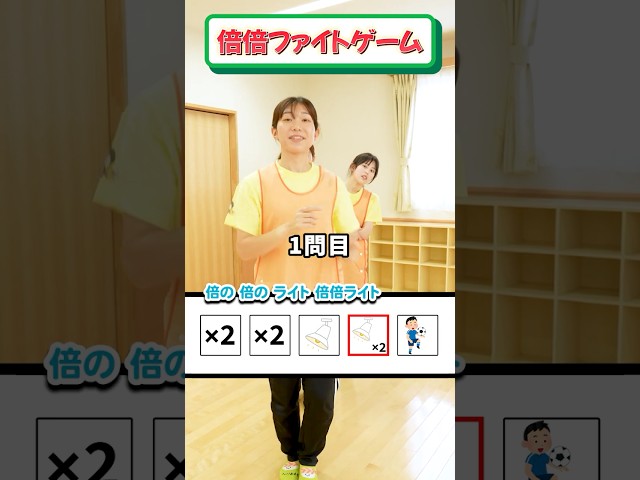
For a game that really gets six people hyped, I recommend the Double-Double Fight Game.
It’s a tempo-based game played to the rhythm of CANDY TUNE’s song “Double-Double FIGHT!” where players take turns saying random words in sequence.
For example, if you can smoothly say short words like “makeup,” “haiku,” or “part-time job” in 2- or 3-mora units to the song’s beat, you succeed.
If you hesitate or fall off the rhythm, you’re out.
The rules are very straightforward, and the appeal is that you’re not bound by a theme—you can say whatever comes to mind.
Every time someone slips up, everyone laughs, the tempo picks up, and the atmosphere instantly brightens.
You don’t need any preparation; as long as you have a feel for words and timing, you’ll have fun, making it a game that anyone can enjoy regardless of age or gender.

Yamanote Line game

Let me introduce a rhythm game that requires no props: the Yamanote Line Game.
In this game, you choose a topic and, in time with the rhythm, take turns saying words that fit it.
For example, if the topic is “fruits,” you would answer with words like “apple,” “orange,” and “grapes.” Anyone who fails to keep the rhythm or can’t answer loses.
You can choose any topic, but if it’s too difficult, people won’t be able to answer.
Pick topics that anyone can easily come up with a few answers for.
human disentanglement puzzle
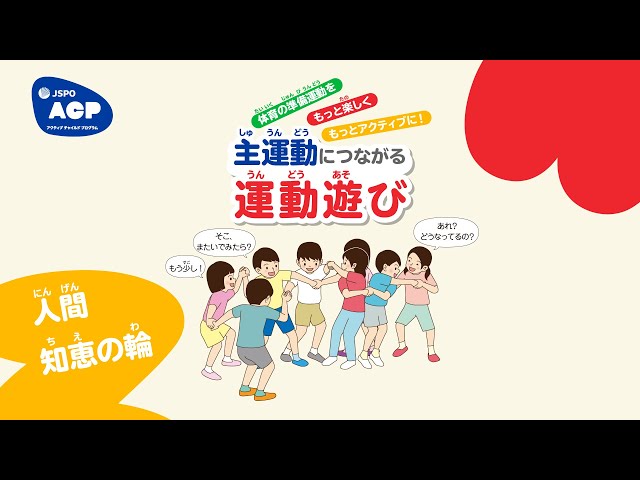
A disentanglement puzzle is a game where you use your wits to remove and connect parts.
This time, we’re introducing a version you can try with people: the Human Knot.
Participants stand facing inward to form a circle and join hands.
When you join hands, don’t hold hands with the people directly next to you, and don’t hold both hands with the same person.
Once everyone is connected, the game begins.
Work together to untangle yourselves to form a neat circle.
Don’t force it—someone could get hurt—so if you really can’t untangle, start over.