


Games that get the whole family excited! A collection of ideas you can start right away with no equipment

Looking for games the whole family can enjoy? Here are fun activities that anyone can join in on without using game consoles or smartphones.
Enjoy keeping time to a rhythm, get everyone laughing with gesture games, and spend a lively time using both your mind and body! We’ve gathered plenty of fun games that create smiles and a warm atmosphere—even without any props.
They’re great for all generations to play together, naturally strengthening family bonds.
So, what will you play to get everyone excited today?
Games that get the whole family excited! A collection of ideas you can start right away without any equipment (1–10)
Majority Game

A simple yet psychologically deep game where all participants answer the same question with a choice between two options, and those who end up in the majority win.
Even everyday topics can split opinions more than you’d expect, such as “Which makes you happier as an expression of love: words or actions?” or “At a BBQ, do you want to eat tongue or short ribs first?” The fun lies in predicting what the majority will think and discovering unexpected values within your family.
It’s a great recommendation for families who enjoy psychological mind games, sparking lively discussion across topics like anime, sports, and food.

Hand-push sumo
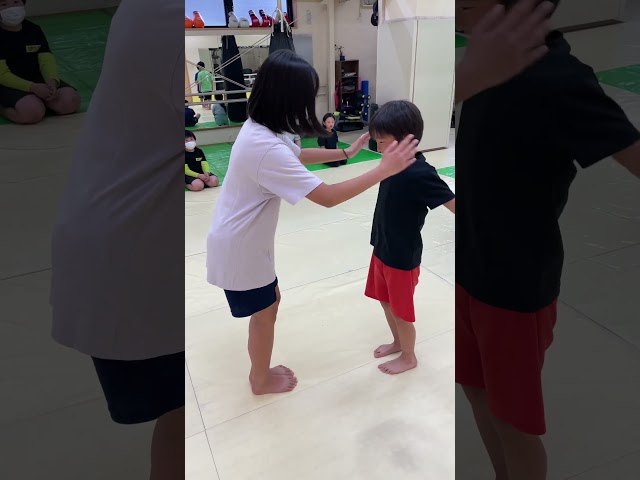
With hand-push sumo, everyone can have fun at home without worrying about age or body size.
In regular sumo, you fight your opponent using your body and hands, so the outcome can often be influenced by size.
Hand-push sumo is a game where you stay in a designated spot and use only your hands to push your opponent.
Since you can’t move your feet, if you get pushed off balance and fall, you lose.
If one player is larger than the other, try adding a handicap like standing on one leg.
Kids might even beat adults!

Hide-and-seek at home
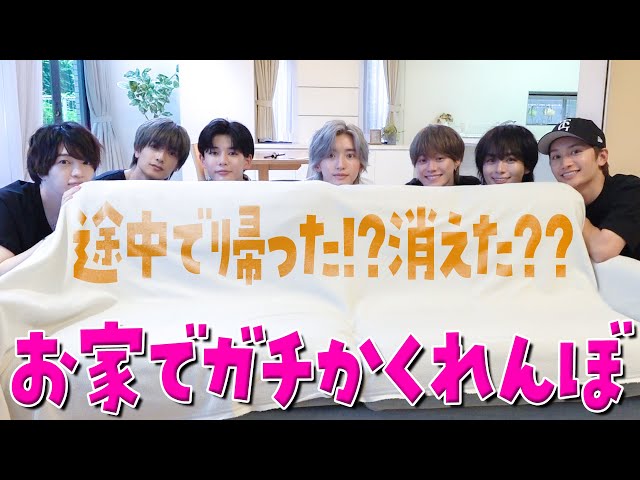
Hide-and-seek, a game loved by people of all ages, is something you can enjoy indoors too.
The rules are simple: while “it” counts, everyone else hides somewhere in the house.
Ordinary spots like inside a closet or behind a curtain quickly turn into secret bases.
It gets lively as each family member’s personality shines through—some are great at hiding, others at finding.
It’s also fun to designate areas like the living room or bedroom and purposely play in a smaller zone.
It’s a friendly, exciting idea you’ll want to play over and over, as long as you keep safety in mind.
No-Katakana Game

There are so many things around us in daily life that use katakana, aren’t there? So let’s have some fun with a ban game where you’re not allowed to use katakana in conversation.
Go about your normal routine at home and keep talking as usual.
If katakana slips into the conversation, it’s a penalty.
It could be nice to make household chores the penalties.
Since people will probably slip up and use katakana without thinking, assign one person as the monitor.
Each time someone says, “Ah, I used katakana,” you’ll also get a real sense of just how many katakana words there are.
Yamanote Line game

It’s a classic game where you list the Yamanote Line stations in order.
The key is to keep the rhythm and answer briskly.
You can easily adapt it by changing the topic—Pokémon names, fruits, past buzzwords, and more.
When someone blanks and slips up, it gets a laugh and naturally lightens the mood—that’s part of the charm.
The thrill of waiting for your turn and the test of quick thinking make it irresistible for both kids and adults.
It’s a surefire crowd-pleaser where everyone’s knowledge and quick reflexes are the keys to success.
Who am I? game

It’s a game that tests your creativity by pretending to be something based on a preset theme and giving hints so others can guess what it is.
For example, if the theme is a refrigerator, you might say, “I have two doors,” or “There are both small and large ones,” gradually adding information bit by bit.
The difficulty changes depending on how the presenter crafts the hints, so people of all ages can enjoy it.
Within a family, you’ll naturally spark conversation as you try to read each other’s minds and compete in making associations.
It’s a playful idea packed with imagination and deductive thinking.
Reverse word game

It’s a game where the host pronounces a word backwards and the participants guess what the word is.
For example, if someone says “gonri,” the correct answer is “ringo” (apple).
By mentally reversing the unfamiliar sounds, players train their concentration and creativity.
Short words are easier to answer, while longer words make the difficulty jump.
Choosing themes like food, stationery, or anime characters makes it even more fun.
It’s an idea packed with the charm of wordplay that both kids and adults can get absorbed in together.