

Great enka masterpieces and hit songs of the 1970s

When you think of enka, many people imagine songs that use distinctive vocal inflections to express Japanese sentimentality and tales of love.
Enka became popular as mainstream music starting in the 1960s, but in fact, the term “enka” didn’t really take hold until the 1970s.
In this article, we’ve researched timeless enka hits from the ’70s and compiled songs that truly resonate with the Japanese heart—perfect for a first listen.
Alongside massive hits you’ve likely heard at least once, we’ve also picked many songs that lean toward kayōkyoku (Showa-era pop).
So if you’re a younger music fan curious about Showa-era Japanese music, be sure to check them out.
- A roundup of male enka singers in their 70s: legendary vocalists who support the enka world
- Classic enka songs you’ll want to sing at karaoke: recommended popular tracks
- A roundup of female enka singers in their 70s: voices that evoke nostalgia
- Great enka masterpieces and hit songs of the 1980s
- Cool masterpieces of enka, the heart of Japan
- [Showa Era] A Collection of Enka Hits: Timeless Classics Loved Across Generations
- Legendary enka songs that fire up the crowd. A song catalog of enka picks you won’t go wrong with at karaoke.
- A roundup of leading female enka singers representing the Showa era
- [2026] A Collection of Masterpieces of Enka and Mood Kayō
- [1980s] A roundup of debut songs by enka singers
- [2026] Life's Cheering Songs: A Collection of Recommended Enka to Lift Your Spirits
- Heart-touching, tear-jerking masterpieces from the Showa era
- Great enka masterpieces and hit songs of the 1990s
Great Enka Masterpieces and Hit Songs of the 1970s (21–30)
motherMori Masako

After debuting with “Sensei” in 1972, Masako Mori produced a string of hits as an idol enka singer.
Her vocal ability was outstanding, but since it was a bit early for a junior high school student to be singing enka, many of her songs centered on student themes.
This time, with a song about a devoted, filial daughter, her popularity broadened even further.
YosakuKitajima Saburō
Long, long ago, in a certain place, there lived a hardworking woodcutter named Yosaku…
This song, which sounds like an old Japanese folktale, was sung in 1978 by artists such as Saburo Kitajima, Masao Sen, and Hiroshi Itsuki, but Saburo Kitajima’s version sold the most.
Jokingly, people said their songs weren’t “Yosaku” but “dasaku”—a play on words meaning “a lousy piece of work.”
I’ll give it to you.Nishikawa Mineko
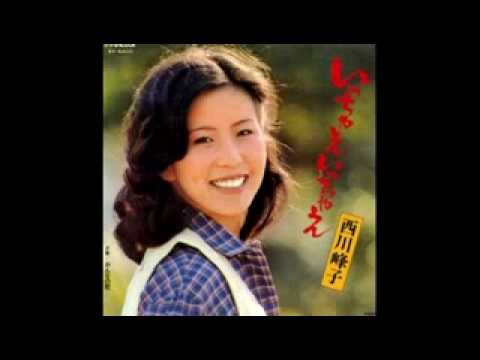
She has since changed her stage name to Mineko Nishikawa.
“Anata ni Ageru,” released in 1974, was her debut single, and she swept the newcomer awards that year.
Despite the innocence of the song, her image was a bit different—she was a singer who was often rumored to be romantically involved with other celebrities.
The one who left the strongest impression was the actor Shohei Hino, but recently…
rainMiyoshi Eiji

This song was released in 1972 and was sung by Eishi Miyoshi when he was in his teens.
Because “Onna no Michi” by Shiro Miya and the Pinkara Trio was a hit around the same time, it didn’t reach number one, but it left a strong impression on the public and won the New Artist Award at the Japan Record Awards.
The song begins on a high note, making for a striking opening that, together with his clear, pure vocal tone, is very memorable.
Sung about a woman standing alone in the rain, this piece evokes scenes of the Showa era and a sense of nostalgia just by listening to it.

Life’s journeyMisora Hibari

Released in 1970, this song is one that Hibari Misora especially liked to perform live and on television among her many singles.
When Hibari sings it, it truly fires you up—it becomes a rousing anthem for life.
In particular, her passionate performance at the Tokyo Dome, even while battling illness and barely able to stand, may have been her way of spurring herself on.
A lie is fine too.Kadokawa Hiroshi

With their debut song in 1976, they won that year’s Newcomer Award.
It’s true that singers who are good at singing are also good at impersonations—depending on their vocal quality—and apparently they won so often in the singer-versus-singer impersonation contests that used to air back in the day that all the home appliances in their house are prizes from those victories, which is astonishing.
lieNakaijō Kiyoshi

This song by Kiyoshi Nakajo, released in 1974.
The lyrics from a woman’s perspective are pretty scary, aren’t they? The melody attached to the opening lines is quite tricky and gives a tense start.
In the latter half, it shifts into something like a sweet flashback scene, and both the melody and rhythm exude a happy mood.
Songs from that era are all so well crafted, with the melody and lyrics linking beautifully.
And the title is in hiragana—that really conveys the feeling of “I know I’m being deceived, but it can’t be helped,” doesn’t it? Maybe it feels that way even more because it’s Nakajo singing it.